
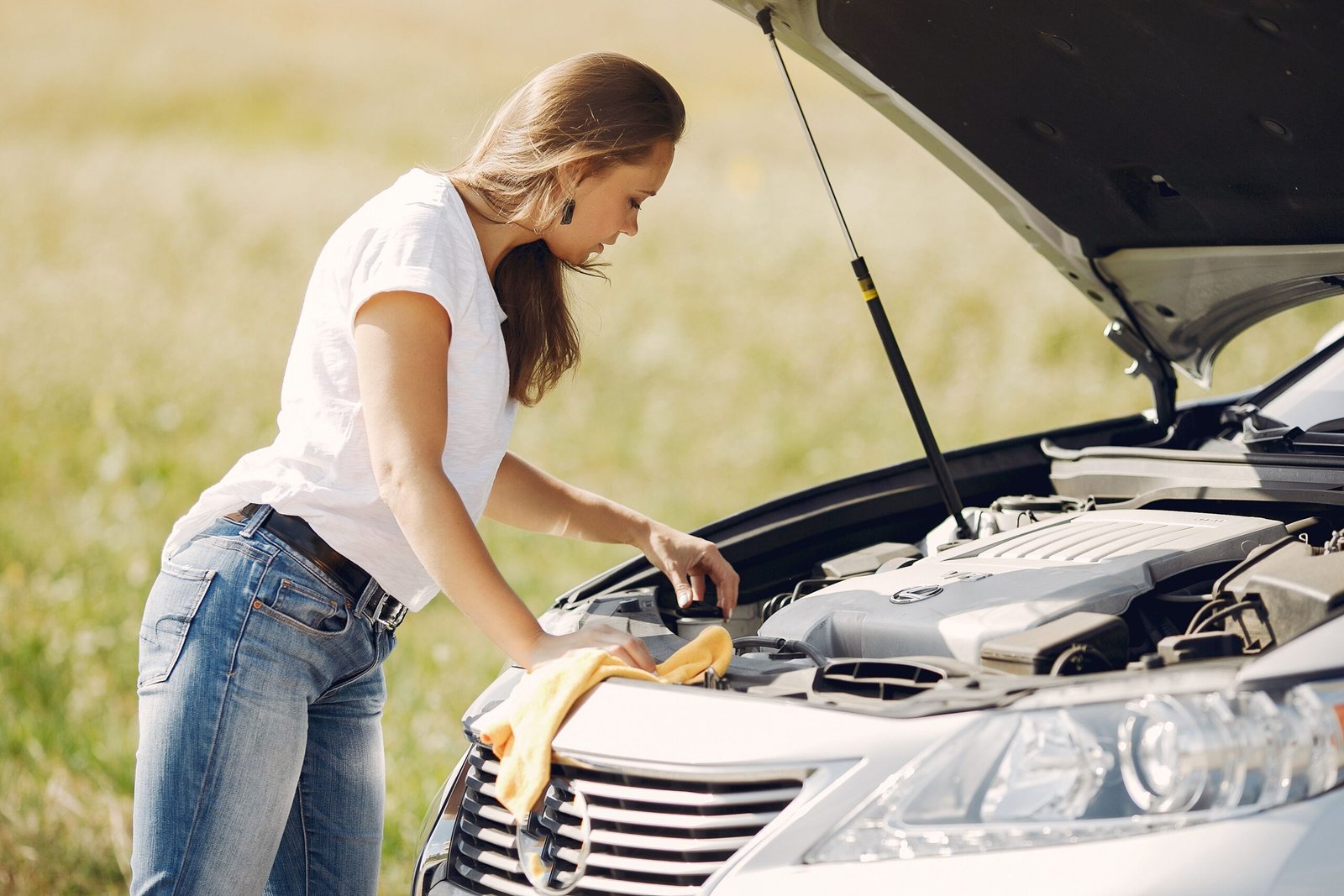
Hot weather can be challenging for both drivers and vehicles. High temperatures can put extra stress on the engine, battery, tires, air conditioning system, cooling system, and other important components.
If your car is not properly maintained during the summer, you may experience overheating, battery problems, tire issues, poor AC performance, or unexpected breakdowns.
The good news is that many hot-weather car problems can be prevented with simple maintenance and regular inspections.
In this complete guide, we’ll explain how to protect your car during hot weather and keep it running reliably throughout the summer.
Why Hot Weather Is Hard on Your Car
Extreme heat can affect many parts of a vehicle.
High temperatures can increase the operating temperature of the engine and place additional demands on the cooling system. Heat can also accelerate battery deterioration and increase tire pressure.
Your car’s air conditioning system may also have to work harder to keep the cabin comfortable.
That’s why summer maintenance is especially important if you regularly drive in hot conditions or heavy traffic.
1. Check the Engine Coolant
Engine coolant is one of the most important fluids for controlling engine temperature.
The cooling system helps transfer heat away from the engine and prevents excessive temperatures.
Before driving in very hot weather, check the coolant level according to the vehicle manufacturer’s instructions.
Also look for signs of leaks around:
- Radiator
- Coolant hoses
- Reservoir
- Water pump area
- Other cooling-system connections
Never open a hot cooling-system cap. Allow the engine to cool before checking or servicing the system.
If coolant levels keep dropping, have the vehicle inspected for a possible leak.
2. Inspect the Radiator
The radiator helps remove heat from the engine coolant.
Dust, dirt, leaves, insects, and road debris can reduce airflow through the radiator and affect cooling performance.
Inspect the front of the radiator and make sure airflow isn’t heavily blocked.
Keep the radiator area clean, but avoid using excessive water pressure because the radiator fins can be delicate.
3. Check the Engine Oil
Engine oil lubricates moving components and helps manage heat inside the engine.
Hot weather and long-distance driving can place additional demands on the engine, making proper oil maintenance important.
Check the oil level regularly and follow the manufacturer’s recommended oil type and replacement schedule.
Never assume that a thicker or thinner oil is automatically better for summer. Use the viscosity and specification recommended for your vehicle.
4. Take Care of Your Car Battery
High temperatures can be tough on car batteries.
Heat can accelerate battery deterioration, especially in older batteries.
Check the battery for:
- Corrosion around terminals
- Loose connections
- Physical damage
- Swelling or unusual appearance
Make sure the battery terminals are clean and securely connected.
If your battery is already several years old or your car has difficulty starting, consider having the battery tested before a long summer trip.
5. Check Your Tire Pressure
Tire pressure is especially important during hot weather.
Air pressure changes with temperature, so tires should be maintained according to the vehicle manufacturer’s recommended pressure.
Check tire pressure when the tires are cold and use the recommended pressure listed in the owner’s manual or vehicle information label.
Don’t intentionally reduce tire pressure simply because the weather is hot.
Also inspect tires for:
- Cracks
- Uneven tread wear
- Bulges
- Punctures
- Low tread depth
Properly maintained tires can improve safety, handling, and fuel efficiency.
6. Look After Your Air Conditioning System
Your AC becomes one of the most important systems in the car during summer.
If the AC isn’t cooling properly, check simple things first, such as airflow and the cabin air filter.
A dirty cabin filter can restrict airflow and reduce comfort.
If the AC blows warm air, makes unusual noises, or repeatedly stops working, have it inspected by a qualified technician.
Avoid repeatedly adding refrigerant without diagnosing a possible leak.
7. Keep the Cabin Air Filter Clean
The cabin air filter helps prevent dust and debris from entering the vehicle’s interior.
A clogged filter can reduce airflow from the AC vents.
If you frequently drive in dusty environments, the filter may become dirty faster than expected.
Replacing it according to the manufacturer’s recommendations can help maintain good airflow and cabin comfort.
8. Protect Your Car From Direct Sunlight
Parking under direct sunlight can cause the cabin temperature to rise dramatically.
Whenever possible, park your car in:
- A garage
- A covered parking area
- A shaded location
A windshield sunshade can also help reduce heat buildup inside the cabin.
Over time, reducing direct sunlight can help protect interior materials from excessive heat and UV exposure.
9. Check the Belts and Hoses
Rubber belts and hoses can become brittle, cracked, or damaged over time.
High temperatures can make existing wear more noticeable.
During routine maintenance, inspect:
- Radiator hoses
- Coolant hoses
- Serpentine belt
- Drive belts
- Visible connections
If you notice cracks, swelling, fraying, or other damage, have the component inspected.
Replacing a worn belt or hose early can help prevent an inconvenient breakdown.
10. Watch the Temperature Gauge
Your dashboard temperature gauge is an important warning system.
During normal operation, the gauge should generally remain within the normal range specified by the vehicle manufacturer.
If the temperature suddenly rises, especially toward the hot zone, don’t ignore it.
Possible causes of overheating include:
- Low coolant
- Cooling fan problems
- Thermostat issues
- Radiator blockage
- Water pump problems
- Coolant leaks
If the engine overheats, stop safely and allow it to cool. Do not open a hot radiator cap because hot coolant and steam can cause serious burns.
11. Don’t Ignore Warning Lights
Dashboard warning lights can provide an early warning of mechanical or electrical problems.
During summer, pay particular attention to:
- Engine temperature warnings
- Check engine light
- Battery warning light
- Oil pressure warning
- Tire pressure warning
If an important warning light appears, don’t simply continue driving and hope it disappears.
Check the owner’s manual and get the vehicle inspected when necessary.
12. Keep Emergency Supplies in Your Car
Summer breakdowns can be particularly uncomfortable, so it’s useful to carry basic emergency equipment.
Consider keeping:
- Drinking water
- First-aid supplies
- Flashlight
- Phone charger
- Basic tools
- Tire inflator
- Tire repair equipment
- Jumper cables or an appropriate jump starter
- Emergency contact information
If you frequently travel long distances, additional emergency equipment may be useful depending on your route.
13. Avoid Unnecessary Engine Stress
Heavy traffic, aggressive acceleration, and long periods of idling can increase heat and fuel consumption.
When possible, drive smoothly and avoid unnecessary hard acceleration.
If you’re stuck in traffic, keep an eye on the temperature gauge and pay attention to unusual smells, noises, or warning lights.
If your vehicle begins showing signs of overheating, find a safe place to stop rather than continuing to drive.
14. Prepare Before a Long Summer Road Trip
Before a long trip in hot weather, perform a basic inspection.
Check:
- Engine oil
- Coolant
- Brake fluid
- Tire pressure
- Tire condition
- Battery
- AC performance
- Lights
- Windshield washer fluid
- Belts and hoses
It’s much better to discover a weak battery or worn tire at home than on a highway far from a repair shop.
Common Summer Car Mistakes to Avoid
Some simple mistakes can increase the risk of problems.
Avoid:
- Ignoring an overheating engine
- Driving with low tire pressure
- Using incorrect engine oil
- Ignoring coolant leaks
- Delaying battery replacement when the battery is failing
- Running an AC system with unresolved problems
- Opening the radiator cap while the engine is hot
- Ignoring dashboard warning lights
- Taking a long trip without checking the vehicle
A few minutes of preventive maintenance can save you from major inconvenience later.
Final Thoughts
Hot weather can place extra stress on your vehicle, but proper maintenance can reduce the risk of many common summer problems.
Keep an eye on coolant, engine oil, tires, battery, AC performance, belts, hoses, and warning lights. Protect the vehicle from excessive sunlight when possible and inspect it before long journeys.
Most importantly, never ignore signs of overheating or serious mechanical problems.
Taking care of your car during hot weather isn’t just about keeping it comfortable. It’s about improving reliability, protecting important components, and making every journey safer.
A little summer preparation today can help prevent a major breakdown tomorrow.