
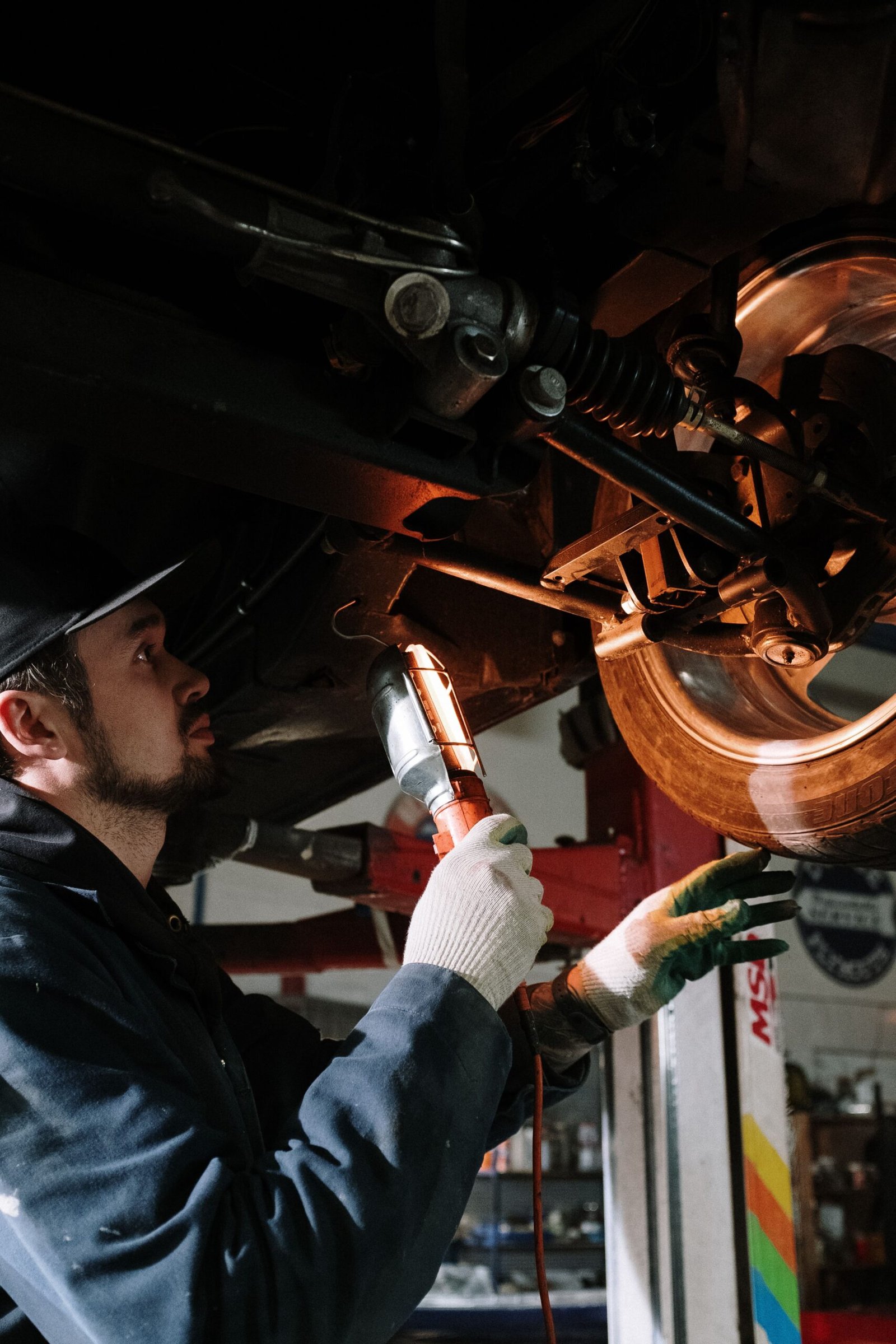
Your car’s suspension system plays a major role in safety, comfort, handling, and overall driving performance. It helps keep the tires in contact with the road while reducing the impact of bumps, potholes, and uneven surfaces.
Many drivers don’t think about the suspension until the ride becomes uncomfortable or the car starts making strange noises. However, suspension problems can gradually develop over time, and ignoring them may affect other vehicle components.
Understanding the common signs of suspension problems can help you identify issues early and avoid more expensive repairs.
In this complete guide, we’ll explain how a car suspension system works, common symptoms of suspension problems, possible causes, maintenance tips, and when you should visit a mechanic.
What Is a Car Suspension System?
The suspension system connects the vehicle’s body to its wheels. Its main purpose is to help the vehicle maintain stability while absorbing impacts from the road.
A typical suspension system can include:
- Shock absorbers
- Struts
- Coil springs
- Control arms
- Ball joints
- Stabilizer bars
- Bushings
- Tie rods and related steering components
- Wheel bearings in some suspension-related inspections
Different vehicles use different suspension designs, but the basic goal remains the same: keep the vehicle stable and the tires properly connected to the road.
A healthy suspension system helps improve steering control, braking stability, tire wear, and passenger comfort.
Why Is Suspension Maintenance Important?
Your tires are the only parts of the vehicle that directly contact the road. The suspension helps maintain that contact.
If suspension components become worn or damaged, you may notice:
- Poor handling
- Excessive bouncing
- Uneven tire wear
- Vehicle pulling
- Steering instability
- Increased stopping distance in some conditions
- Strange noises
- An uncomfortable ride
Suspension problems can also affect wheel alignment and cause tires to wear faster.
That’s why suspension inspection should be part of regular vehicle maintenance.
1. Excessive Bouncing After Hitting a Bump
One of the most common signs of suspension problems is excessive bouncing.
After driving over a bump, your car should settle relatively quickly. If the vehicle continues bouncing several times, worn shock absorbers or struts could be responsible.
Worn shocks can reduce the suspension’s ability to control the movement of the vehicle.
However, other suspension problems can create similar symptoms, so a proper inspection is recommended.
2. Car Dips When Braking
Does the front of your car noticeably move downward when you apply the brakes?
This can sometimes indicate worn suspension components, particularly shocks or struts.
A small amount of front-end movement during braking is normal, but excessive dipping may affect vehicle stability and should be checked.
Remember that braking problems themselves can also cause stopping issues, so don’t assume every braking symptom is caused by the suspension.
3. Vehicle Pulls to One Side
If your car consistently pulls left or right while driving, several different problems could be responsible.
Possible causes include:
- Incorrect wheel alignment
- Uneven tire pressure
- Uneven tire wear
- Suspension damage
- Steering component problems
- Brake-related issues
Because there are multiple possible causes, start with simple checks such as tire pressure and then have the vehicle professionally inspected if the problem continues.
4. Uneven Tire Wear
Your tires can provide useful clues about suspension and alignment problems.
If one side of a tire is wearing significantly faster than the other, the vehicle may have an alignment or suspension issue.
Common examples include:
- Inner-edge wear
- Outer-edge wear
- Cupping or scalloping
- Uneven tread patterns
If you notice unusual tire wear, don’t simply replace the tire without finding the cause.
A new tire can develop the same problem if the underlying suspension or alignment issue remains unresolved.
5. Strange Knocking or Clunking Sounds
Suspension components can produce noticeable noises when they become worn.
You may hear:
- Clunking
- Knocking
- Rattling
- Squeaking
- Clicking
The noise may become more noticeable when driving over potholes, speed bumps, or uneven roads.
Possible causes can include worn bushings, ball joints, stabilizer links, strut components, or other suspension parts.
Because many components can produce similar sounds, diagnosis should be performed carefully.
6. Steering Wheel Vibration
A vibrating steering wheel can have several causes.
Possible reasons include:
- Wheel imbalance
- Tire problems
- Wheel damage
- Alignment issues
- Suspension wear
- Steering component problems
If vibration occurs mainly at certain speeds, wheel and tire problems are often worth checking first.
If the vibration is accompanied by unusual steering behavior, suspension and steering components should also be inspected.
7. Car Sits Lower on One Side
If one side of your vehicle appears lower than the other, there may be a problem with a spring or another suspension component.
A damaged or weakened spring can change the vehicle’s ride height.
Don’t ignore a noticeable difference in ride height because it can affect handling and tire wear.
A mechanic can inspect the suspension and determine whether a spring or another component needs replacement.
8. Nose Diving or Excessive Body Movement
A healthy suspension helps control vehicle movement during acceleration, braking, and cornering.
If the vehicle’s front end dives excessively when braking or the body rolls significantly during turns, suspension components may be worn.
This doesn’t necessarily mean the shocks are the only problem. Tire condition, alignment, springs, anti-roll bar components, and other parts can also influence handling.
9. Damaged Shock Absorbers or Struts
Shock absorbers and struts control suspension movement.
Over time, they can lose effectiveness or develop leaks.
During inspection, a technician may look for:
- Fluid leakage
- Physical damage
- Excessive movement
- Worn mounting components
- Uneven performance
If a shock absorber or strut is significantly worn, replacement may be necessary.
Replacing worn suspension components can help restore handling and ride comfort.
10. Worn Bushings
Bushings are designed to reduce vibration and allow controlled movement between suspension components.
Rubber bushings can deteriorate with age, heat, road conditions, and normal use.
Worn bushings may cause:
- Clunking noises
- Excessive movement
- Steering changes
- Uneven tire wear
- Reduced driving comfort
A mechanic can inspect the bushings for cracks, deterioration, or excessive movement.
11. Potholes Can Damage Suspension Components
Driving over potholes at high speed can put significant stress on tires, wheels, steering, and suspension components.
A severe pothole impact may cause:
- Bent wheels
- Tire damage
- Alignment problems
- Damaged suspension components
If your car hits a major pothole and immediately starts pulling, vibrating, or making strange noises, have it inspected.
Don’t assume that everything is fine simply because the tire didn’t go flat.
How to Maintain Your Car’s Suspension
Suspension components don’t require daily maintenance, but regular inspections can help identify problems early.
Check Tire Pressure Regularly
Incorrect tire pressure can affect handling and ride comfort.
Maintain tire pressure according to the vehicle manufacturer’s recommendation.
Inspect Tires
Look for uneven tread wear, cracks, bulges, and other signs of damage.
Tire problems can sometimes look like suspension problems, so keeping tires in good condition is important.
Drive Carefully Over Potholes
Slow down when approaching potholes and damaged roads when it is safe to do so.
Avoid unnecessary impacts because they can damage wheels and suspension components.
Follow the Vehicle’s Service Schedule
Manufacturers provide maintenance recommendations for different components.
Follow the recommended service schedule and have the suspension inspected when appropriate.
Don’t Ignore Unusual Noises
A small clunking sound may seem unimportant, but it could be an early sign of component wear.
Getting the problem checked early may prevent additional damage.
How Often Should Suspension Be Inspected?
There isn’t one universal inspection interval for every vehicle.
Suspension wear depends on factors such as:
- Vehicle age
- Mileage
- Road quality
- Driving style
- Vehicle load
- Climate and environmental conditions
Vehicles driven frequently on rough or damaged roads may experience more suspension wear than vehicles mainly driven on smooth highways.
It’s a good idea to have the suspension checked during routine servicing and whenever you notice unusual symptoms.
Can You Drive With Bad Suspension?
It depends on the severity of the problem.
A minor worn component may not immediately make the vehicle undrivable, but continuing to drive with a serious suspension problem can reduce control and increase the risk of further damage.
You should avoid unnecessary driving if you experience:
- Severe steering instability
- A broken suspension component
- Major vehicle leaning
- Severe tire damage
- Loud continuous suspension noises
- Significant loss of vehicle control
In these situations, professional inspection should be a priority.
Suspension Repair vs. Replacement
Not every suspension problem requires replacing the entire suspension system.
Depending on the diagnosis, a mechanic may replace individual components such as:
- Shock absorbers
- Struts
- Springs
- Bushings
- Ball joints
- Stabilizer links
- Control arms
Some components may be replaced in pairs, particularly when doing so helps maintain balanced performance.
Always follow the vehicle manufacturer’s specifications and use suitable replacement parts.
Why Wheel Alignment Matters
Wheel alignment is closely connected to suspension performance.
If suspension components become worn or damaged, alignment angles can change.
Incorrect alignment may result in:
- Uneven tire wear
- Steering pulling
- Poor handling
- Steering wheel not centered
- Reduced tire life
If you replace certain suspension components or experience a strong impact, an alignment check may be appropriate.
Signs You Should Visit a Mechanic
You should arrange a professional inspection if you notice:
- Excessive bouncing
- Repeated clunking noises
- Uneven tire wear
- Vehicle pulling
- Excessive body roll
- Steering instability
- A vehicle sitting lower on one side
- Fluid leaking from a shock or strut
- Steering wheel vibration
- Problems that appear after hitting a pothole
A qualified technician can inspect the suspension and determine which component is responsible.
Final Thoughts
Your car’s suspension system is essential for comfort, handling, stability, and tire contact with the road. Components such as shocks, struts, springs, bushings, control arms, and ball joints can wear over time.
The key is to recognize problems early.
If your car starts bouncing excessively, pulling to one side, wearing tires unevenly, or producing unusual noises, don’t ignore the symptoms. Early inspection can help prevent more expensive repairs and maintain safe handling.
Regular tire checks, careful driving, proper maintenance, and professional suspension inspections can help keep your vehicle performing properly for many years.
A smooth ride isn’t just about comfort—it’s an important part of safe and controlled driving.