
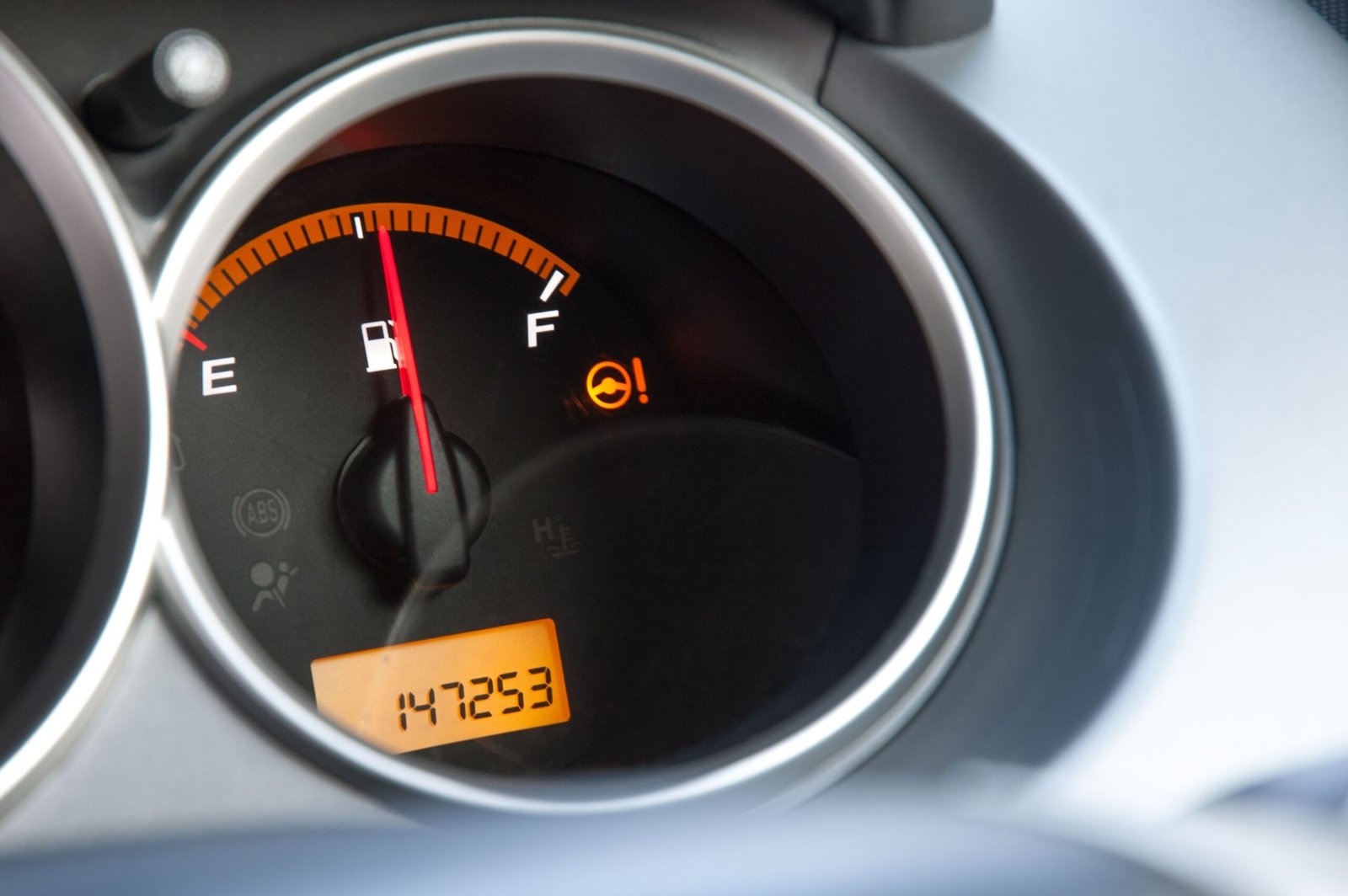
The engine is the heart of your vehicle. It converts fuel into the power needed to move your car, and it contains many components that must work together correctly.
Like any mechanical system, an engine can develop problems over time. Some problems start with small warning signs, while others can appear suddenly. Recognizing these signs early can help prevent expensive repairs and reduce the risk of a breakdown.
Many drivers ignore unusual sounds, dashboard lights, reduced performance, or changes in fuel consumption because the car is still running. However, a vehicle can continue operating even when an important engine component is beginning to fail.
In this guide, we’ll cover the most common warning signs of engine problems, possible causes, and what you should do when you notice them.
1. Check Engine Light
The check engine light is one of the most important warning indicators on your dashboard.
It can appear because of a wide range of problems, from relatively minor issues to serious engine faults.
Possible causes include:
- Faulty sensors
- Ignition problems
- Fuel-system issues
- Emissions-related faults
- Misfires
- Catalytic converter problems
- Loose or damaged components
A steady check engine light should be diagnosed rather than ignored.
If the light is flashing and the engine is running poorly, the problem may be more urgent. Avoid unnecessary driving and have the vehicle checked as soon as possible.
2. Unusual Engine Noises
Your engine normally produces a consistent sound while running.
If you suddenly hear a new noise, pay attention to it.
Common sounds include:
Knocking
A deep knocking sound may indicate a serious internal engine problem.
Ticking
A ticking noise can sometimes be related to lubrication, valve-train components, or other engine parts.
Squealing
A squealing sound may come from a belt or another accessory component.
Grinding
Grinding can indicate a mechanical component that needs immediate inspection.
The exact cause depends on the engine and when the noise occurs. Don’t try to diagnose a serious mechanical noise based only on sound.
3. Excessive Engine Vibration
An engine should generally run smoothly when operating normally.
If the vehicle starts shaking or vibrating excessively, possible causes include:
- Engine misfire
- Worn engine mounts
- Ignition problems
- Fuel delivery problems
- Air intake issues
If the vibration is accompanied by a check engine light or major loss of power, professional diagnosis is recommended.
4. Loss of Engine Power
If your vehicle suddenly feels weaker than usual, something may be affecting engine performance.
You might notice that:
- Acceleration is slower
- The engine struggles uphill
- The vehicle doesn’t respond normally
- RPM rises without expected acceleration in some cases
Possible causes include fuel-system problems, ignition faults, restricted airflow, sensor issues, or transmission-related problems.
A proper diagnosis is important because several different systems can produce similar symptoms.
5. Poor Fuel Economy
A sudden decrease in fuel economy can be a warning sign.
If you’re filling the fuel tank more often despite driving similar distances, possible causes may include:
- Incorrect tire pressure
- Driving conditions
- Aggressive acceleration
- Dirty or faulty engine components
- Sensor problems
- Fuel-system issues
- Poor maintenance
Not every fuel-economy change means there is an engine problem. Weather, traffic, driving style, and vehicle load can also affect fuel consumption.
However, a sudden unexplained change deserves attention.
6. Excessive Exhaust Smoke
The exhaust can provide clues about what is happening inside the engine.
Different types of smoke may have different causes.
Blue Smoke
Blue or bluish smoke can indicate that the engine is burning oil.
Thick White Smoke
Persistent thick white smoke may indicate coolant entering the combustion process.
Black Smoke
Black smoke can indicate excessive fuel or an overly rich mixture.
However, exhaust appearance can vary between vehicles and conditions, so professional diagnosis is necessary when smoke is persistent.
7. Engine Overheating
An overheating engine is a serious warning sign.
Possible causes include:
- Low coolant
- Coolant leaks
- Radiator problems
- Cooling fan failure
- Thermostat problems
- Water pump problems
- Restricted coolant flow
If the temperature gauge rises into the danger zone, stop safely and allow the engine to cool.
Never open a hot radiator or coolant-system cap because pressurized hot coolant can cause serious burns.
Continuing to drive an overheating vehicle can result in severe engine damage.
8. Oil Leaks
Oil underneath your vehicle should never be ignored.
Engine oil leaks can develop around:
- Oil pan
- Valve cover
- Oil filter area
- Seals
- Gaskets
- Other engine connections
A small leak can gradually become a major problem.
Low engine oil can increase friction and heat and may cause serious engine damage.
If you notice oil spots where your car is parked, check the oil level safely and arrange an inspection.
9. Low Engine Oil Level
Engine oil lubricates internal engine components and helps control heat.
Running an engine with insufficient oil can cause serious damage.
Check the oil level according to your vehicle manufacturer’s instructions and use the recommended oil specification.
If the oil level repeatedly drops between services, don’t simply keep adding oil without finding the cause.
The engine may be consuming oil or developing a leak.
10. Difficult Starting
A healthy engine should normally start without excessive cranking.
If the engine takes much longer to start than usual, possible causes can include:
- Weak battery
- Starter problems
- Fuel delivery issues
- Ignition faults
- Sensor problems
- Poor fuel pressure
A weak battery and an engine problem can produce similar starting symptoms, so proper testing is needed.
11. Rough Idling
When your car is stopped, the engine should generally maintain a stable idle.
If the engine constantly shakes, RPM fluctuates, or the vehicle feels like it might stall, there could be an underlying issue.
Possible causes include:
- Spark plug problems
- Ignition coil faults
- Air leaks
- Fuel-system problems
- Dirty throttle components
- Sensor problems
Ignoring rough idle can sometimes allow a small issue to become more serious.
12. Engine Misfires
An engine misfire occurs when combustion doesn’t happen correctly in one or more cylinders.
You may notice:
- Shaking
- Loss of power
- Poor acceleration
- Rough idle
- Check engine light
- Increased fuel consumption
Possible causes include faulty spark plugs, ignition coils, fuel injectors, or other engine-management problems.
A flashing check engine light combined with poor engine operation should be treated seriously.
13. Strong Fuel Smell
A strong fuel smell around or inside your vehicle isn’t normal.
Possible causes can include:
- Fuel leaks
- Fuel-system problems
- Evaporative emissions faults
- Poor combustion
- Fuel spilled during refueling
Fuel is highly flammable, so suspected leaks should be inspected immediately.
If you see visible fuel leaking from the vehicle, avoid driving it until the problem has been properly assessed.
14. Reduced Oil Pressure
The oil-pressure warning light is one of the dashboard warnings that should never be ignored.
If the oil-pressure warning appears while the engine is running, safely stop the vehicle as soon as practical and follow the manufacturer’s guidance.
Low oil pressure can be caused by insufficient oil, an oil leak, a faulty sensor, or a more serious lubrication-system problem.
Continuing to operate an engine with genuinely low oil pressure can cause major internal damage.
15. Burning Smell
A burning smell can have several causes.
It may come from:
- Engine oil leaking onto hot components
- Electrical components
- Belts
- Brakes
- Clutch components
- Other mechanical parts
Try to identify when the smell occurs.
If you notice a strong burning smell together with smoke, warning lights, or unusual engine behavior, stop safely and have the vehicle inspected.
How to Prevent Engine Problems
Preventive maintenance is one of the best ways to protect your engine.
Change Engine Oil on Time
Follow the oil-change interval recommended for your vehicle.
Using the correct oil specification is just as important as changing it regularly.
Replace Filters When Required
Air and fuel filtration systems affect engine performance.
A dirty air filter can restrict airflow, while fuel-system problems can affect combustion.
Follow the manufacturer’s recommended replacement schedule.
Maintain the Cooling System
Check coolant levels and inspect for leaks.
Don’t ignore an engine that repeatedly runs hotter than normal.
Use Quality Fuel
Use fuel that meets your vehicle manufacturer’s requirements.
Avoid questionable fuel sources that may increase the risk of contamination or poor engine performance.
Follow the Service Schedule
Regular servicing can help identify worn components before they fail.
Keep records of important maintenance such as:
- Oil changes
- Filter replacements
- Spark plug replacement
- Coolant service
- Belt inspections
- Other manufacturer-recommended work
What to Do When the Engine Warning Light Appears
When a warning light appears, don’t immediately assume the worst.
First, pay attention to how the vehicle is behaving.
If the car is running normally and the check engine light is steady, arrange a diagnostic check.
If the warning light is flashing or the engine is shaking, losing significant power, overheating, or producing unusual noises, stop driving when it is safe to do so.
A diagnostic scan can identify stored fault codes, but the code itself doesn’t always identify the exact failed component. Proper diagnosis may require additional testing.
Can You Drive With an Engine Problem?
It depends on the problem.
Some minor faults may allow you to drive a short distance to a repair shop, while serious problems can cause immediate damage.
Avoid continuing to drive if you experience:
- Severe overheating
- Low oil-pressure warning
- Heavy smoke
- Major loss of power
- Loud knocking
- Significant fuel leakage
- Severe engine vibration
- Flashing check engine light with poor engine operation
When in doubt, stopping safely and getting professional assistance is better than risking major engine damage.
How Much Can Engine Repairs Cost?
Repair costs vary significantly depending on the vehicle and the exact problem.
A simple sensor or ignition component may be relatively inexpensive, while major internal engine repairs can be extremely costly.
This is another reason why early diagnosis is important.
Fixing a small issue before it causes secondary damage can often save money in the long run.
Final Thoughts
Your engine provides the power your vehicle needs, but it also depends on regular maintenance and early problem detection.
Pay attention to warning lights, unusual noises, overheating, oil leaks, poor fuel economy, rough idling, smoke, vibration, and changes in performance.
Don’t wait until the vehicle completely breaks down before investigating a problem.
Regular oil changes, proper cooling-system maintenance, timely filter replacement, and scheduled inspections can help keep your engine reliable for many years.
Most importantly, never ignore serious warning signs such as low oil pressure, severe overheating, heavy smoke, or major loss of engine performance.
The earlier you identify an engine problem, the better your chances of preventing expensive damage and keeping your car reliable.