
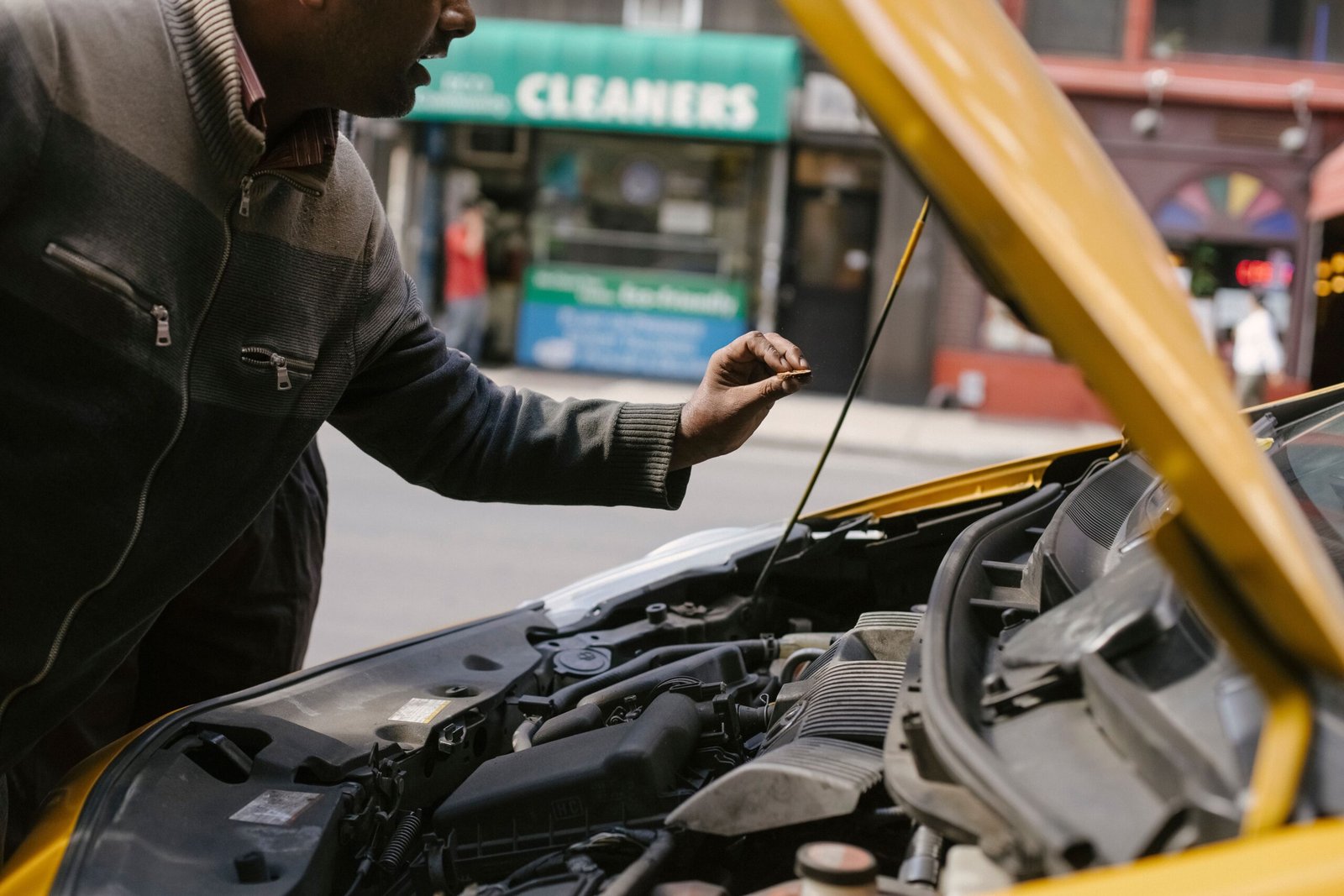
The starter motor is one of the most important components involved in starting a car. When you turn the key or press the start button, the starter motor uses electrical power from the battery to rotate the engine. Once the engine begins running, the starter disengages and the engine continues operating on its own.
Because the starter motor handles a demanding job, it can eventually develop electrical or mechanical problems. A failing starter may give several warning signs before it stops working completely.
Recognizing these symptoms early can help prevent the frustration of being stranded with a car that refuses to start.
Here are 15 common signs of starter motor problems, along with their possible causes and solutions.
1. You Hear a Single Click When Starting
One of the most recognizable starter problems is a single click when you attempt to start the engine.
You may turn the key or press the start button and hear a click, but the engine does not crank.
This can happen because of a faulty starter solenoid, weak electrical connection, insufficient battery power, or a problem inside the starter motor.
A weak battery can produce a very similar symptom, so the battery should be tested before blaming the starter.
2. Rapid Clicking Sounds
Rapid clicking while attempting to start the car is often associated with insufficient electrical power.
A weak or discharged battery may not have enough power to keep the starter engaged.
Loose or corroded battery terminals can also restrict electrical current.
Although the starter could be involved, checking the battery and its connections is usually a sensible first step.
3. The Engine Does Not Crank
If you turn the key and absolutely nothing happens, the starter circuit may have a problem.
Possible causes include:
- Weak battery
- Bad battery connection
- Faulty starter motor
- Failed starter solenoid
- Ignition switch problem
- Starter relay failure
- Neutral safety switch issue
- Immobilizer problem
A complete diagnosis is necessary because several different components can cause a no-crank condition.
4. Starter Works Intermittently
Sometimes a failing starter does not stop working completely.
You might start the vehicle normally several times and then suddenly hear nothing when turning the key.
Intermittent operation can be caused by worn internal starter components, electrical connections, solenoid contacts, or wiring problems.
If the starter works only occasionally, do not assume the problem has disappeared.
Intermittent electrical problems often become more frequent over time.
5. Grinding Noise During Starting
A grinding noise when starting can indicate a problem between the starter’s drive gear and the engine’s flywheel or flexplate.
The starter gear must engage correctly with the engine’s gear teeth.
If engagement is damaged or incomplete, the gears can produce a harsh grinding sound.
Do not repeatedly attempt to start the engine when this happens. Continued operation may cause additional damage.
6. Starter Spins But Engine Does Not Turn
Sometimes you may hear the starter motor spinning, but the engine itself does not crank.
This can indicate that the starter’s drive mechanism is not engaging the flywheel correctly.
The starter motor may be rotating without transferring its force to the engine.
This requires inspection of the starter assembly and the engine’s flywheel or flexplate.
7. Slow Engine Cranking
A starter motor should normally turn the engine at an appropriate speed during startup.
If the engine suddenly cranks much more slowly than usual, there could be an electrical or starter-related problem.
However, slow cranking can also result from:
- Weak battery
- Corroded battery terminals
- Poor ground connection
- Thick or incorrect engine oil
- Electrical resistance
- Internal engine problems
Testing battery voltage and starter current draw can help identify the actual cause.
8. Starter Makes a Whining Sound
A high-pitched whining noise from the starter area can indicate that the starter motor is spinning without properly engaging the engine.
A problem with the starter drive mechanism may be responsible.
A whining starter should be inspected rather than repeatedly operated.
9. Burning Smell During Starting
A burning electrical or rubber-like smell during repeated starting attempts should not be ignored.
The starter motor can draw significant electrical current.
If it is being operated for too long, overheating can occur.
Electrical wiring, connectors, or the starter itself can also overheat if there is excessive resistance or an internal fault.
If you notice a strong burning smell, stop attempting to start the vehicle and have it inspected.
10. Smoke Comes From the Starter Area
Smoke from the engine compartment during startup is a serious warning sign.
It can indicate an electrical short, overheated wiring, or a severely malfunctioning starter.
Turn the vehicle off immediately if this occurs.
Do not continue turning the key repeatedly.
Electrical problems can create a fire risk, so professional inspection is recommended.
11. Dashboard Lights Work but the Engine Won’t Start
It can be confusing when the headlights, dashboard, radio, and other electrical systems work normally but the engine refuses to crank.
This does not automatically mean the battery is healthy.
Starting the engine requires much more electrical current than operating many dashboard accessories.
A weak battery can sometimes power lights while still being unable to provide sufficient current to the starter.
If the battery tests healthy, the starter circuit should be investigated.
12. Starter Stays Engaged After the Engine Starts
The starter should disengage immediately after the engine begins running.
If you hear the starter continuing to operate after the engine starts, switch the vehicle off as soon as it is safe.
A starter that remains engaged can suffer severe damage and may also damage the flywheel.
Possible causes include a sticking solenoid, ignition-switch problem, or mechanical issue within the starter system.
13. Vehicle Starts After Several Attempts
A car that only starts after multiple attempts may have an intermittent starting-system problem.
The issue could involve the starter, solenoid, battery connections, ignition system, fuel system, or engine-management electronics.
If you notice a pattern where the vehicle requires several attempts before starting, have the problem diagnosed before it becomes a complete no-start condition.
14. Starter Problems Are Worse When the Engine Is Hot
Some failing starters develop symptoms after the engine reaches operating temperature.
The vehicle may start normally when cold but struggle to crank after being driven and parked for a short period.
Heat can affect electrical resistance and worn internal components.
This type of problem can be difficult to diagnose because the starter may work normally during a cold inspection.
Tell the technician exactly when the problem occurs.
15. The Starter Suddenly Stops Working Completely
The final stage of many starter failures is complete failure.
You may turn the key or press the start button and hear only a click or nothing at all.
If the battery and electrical connections are healthy, the starter may require repair or replacement.
Having the starting system inspected before complete failure can help avoid being stranded.
What Causes Starter Motor Problems?
Starter motors can fail for many reasons.
Normal Wear
Internal brushes, bearings, contacts, and other components can wear with age and repeated use.
Weak Battery
Low battery voltage can prevent the starter from operating correctly.
Corroded Connections
Battery terminals and starter connections must carry high electrical current. Corrosion can create resistance and reduce starter performance.
Faulty Solenoid
The starter solenoid controls the electrical connection that allows the starter motor to operate.
Damaged Starter Gear
The starter’s drive gear must engage correctly with the engine’s flywheel or flexplate.
Electrical Wiring Problems
Damaged wires, poor grounds, or loose connections can prevent adequate current from reaching the starter.
How to Test a Starter Problem
The first step is usually checking the battery.
A healthy battery should have appropriate voltage, but voltage alone does not always tell the complete story. A battery can show reasonable voltage and still fail under load.
The battery terminals and ground connections should also be inspected.
A technician can then test the starter circuit, starter solenoid, voltage drop, and starter current draw.
If necessary, the starter can be removed and professionally tested.
Can You Prevent Starter Failure?
You cannot prevent every starter failure, but several habits can reduce unnecessary stress.
Keep the battery properly maintained.
Clean corrosion from battery terminals.
Make sure electrical connections are secure.
Avoid holding the starter for long periods.
If the engine does not start, allow the starter to rest between attempts rather than continuously cranking.
Repair charging-system problems promptly because a weak alternator or battery can place additional stress on the starting system.
How Long Does a Starter Motor Last?
Starter lifespan varies depending on the vehicle, climate, driving habits, battery condition, and number of starting cycles.
A vehicle used for frequent short trips may accumulate many more starting cycles than one used primarily for long journeys.
There is no universal replacement interval for every starter.
Instead, pay attention to warning signs and have unusual starting behavior investigated.
Starter Motor vs. Battery: How Can You Tell?
Battery and starter problems can produce very similar symptoms.
A weak battery often causes slow cranking or rapid clicking.
A starter problem may cause a single click, intermittent operation, grinding, or no cranking despite a healthy battery.
However, symptoms alone cannot always identify the problem.
Testing the battery, electrical connections, and starter circuit is the most reliable approach.
When Should You Stop Trying to Start the Car?
If the vehicle repeatedly refuses to start, avoid continuously turning the key or pressing the start button.
Repeated attempts can drain the battery and overheat the starter.
Stop immediately if you notice smoke, a strong burning smell, severe grinding, or unusual electrical behavior.
If the car is in an unsafe location, prioritize getting yourself and other passengers to a safe place before troubleshooting.
Final Thoughts
The starter motor has a simple-sounding job, but without it, a conventional engine cannot begin running.
Clicking sounds, slow cranking, grinding noises, intermittent starting, burning smells, and complete no-crank conditions can all indicate problems within the starting system.
Remember that a starter is not always responsible for a no-start problem. The battery, cables, grounds, ignition switch, relays, immobilizer, fuel system, and other components can produce similar symptoms.
The best approach is to diagnose the complete starting system instead of replacing parts based only on symptoms.
If your car has recently started taking longer to crank or occasionally refuses to start, getting it checked early can help prevent an unexpected breakdown and potentially save money on more extensive repairs.