
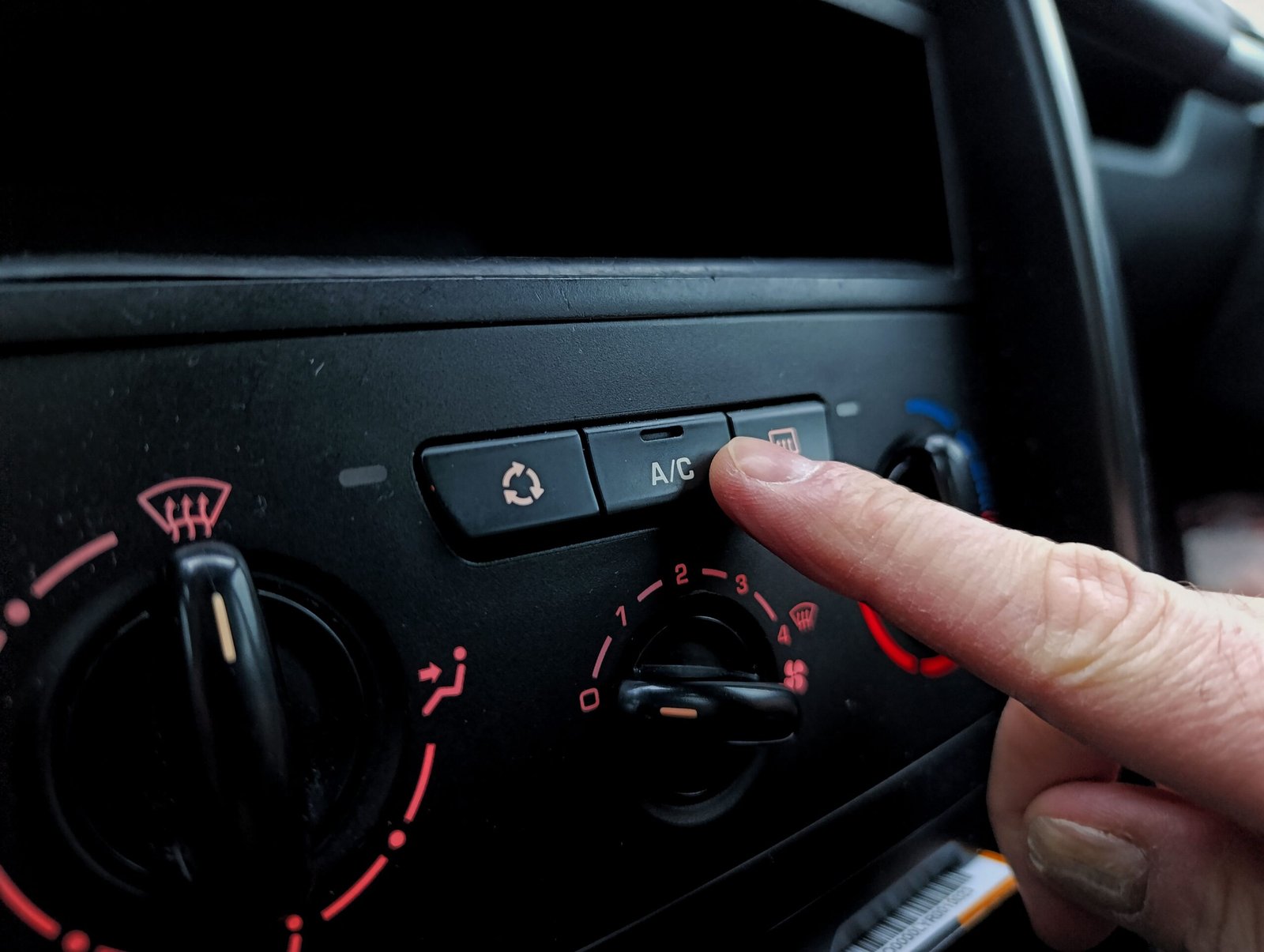
A properly working air conditioning system is essential for comfortable driving, especially during hot summer weather. Whether you’re driving through city traffic or taking a long road trip, your car’s AC needs to work efficiently to keep the cabin cool.
Many drivers only pay attention to the air conditioner when it stops cooling properly. However, regular maintenance can help prevent common problems, improve cooling performance, and potentially reduce unnecessary repair costs.
In this guide, we’ll explain how a car AC system works, the common signs of AC problems, simple maintenance tips, and what you should do when your air conditioner isn’t cooling properly.
How Does a Car AC System Work?
A car air conditioning system uses several components to remove heat from the cabin and produce cool air.
The main components include:
- AC compressor
- Condenser
- Evaporator
- Expansion valve or orifice tube
- Refrigerant
- Cabin air filter
- Blower motor
- AC lines and connections
The system circulates refrigerant through these components. Heat is removed from the cabin, and cooler air is then blown through the vehicle’s vents.
If any major component develops a problem, the AC may become weak or stop cooling completely.
Signs Your Car AC Needs Attention
Knowing the early warning signs can help you deal with AC problems before they become expensive.
1. AC Is Not Cooling Properly
One of the most obvious signs is warm or weak air coming from the vents.
Several issues can cause poor cooling, including:
- Low refrigerant
- Dirty cabin air filter
- Dirty condenser
- Compressor problems
- Cooling fan issues
- Blocked airflow
- Electrical faults
If the AC gradually becomes less effective, it’s worth having the system inspected.
2. Weak Airflow From the Vents
If the air feels cold but very little air is coming from the vents, the problem may be related to airflow rather than refrigerant.
A clogged cabin air filter is one possible cause.
Leaves, dust, dirt, and other debris can restrict airflow through the filter. Replacing a dirty filter can sometimes make a noticeable difference.
3. Strange Noises
Unusual sounds when turning the AC on should not be ignored.
You may hear:
- Clicking
- Grinding
- Rattling
- Squealing
- Humming
These sounds can come from the compressor, blower motor, belt, or other components.
A mechanic can inspect the system and identify the source of the noise.
4. Unpleasant Smell From AC Vents
A bad smell from the AC can make driving uncomfortable.
Musty or unpleasant odors may be caused by moisture, dirt, or microbial growth around the evaporator and air-conditioning system.
Replacing the cabin air filter and keeping the system clean may help reduce odors.
If the smell continues, professional cleaning may be necessary.
5. Water Under the Car
Seeing water dripping underneath a vehicle after using the AC is often normal.
The AC system removes moisture from the cabin air, and that water can drain underneath the vehicle.
However, if you notice unusual fluid, a large leak, or other symptoms such as poor cooling, the vehicle should be inspected.
Replace the Cabin Air Filter Regularly
The cabin air filter helps prevent dust, pollen, dirt, and other particles from entering the vehicle’s interior through the ventilation system.
A dirty filter can restrict airflow and make the AC work harder.
Depending on your vehicle and driving conditions, the cabin filter may need to be replaced periodically.
If you frequently drive on dusty roads, you may need to check it more often.
Always follow the replacement interval recommended for your specific vehicle.
Keep the Condenser Clean
The AC condenser is usually located near the front of the vehicle, where it can be exposed to dust, insects, leaves, and road debris.
A dirty condenser may have difficulty releasing heat efficiently.
During routine maintenance, inspect the front area for excessive dirt or debris.
If cleaning is required, be careful not to damage the delicate condenser fins. High-pressure water used too aggressively can bend the fins.
Check the AC Compressor
The compressor is one of the most important components in the air conditioning system.
It circulates refrigerant through the system and helps the AC produce cold air.
Possible signs of compressor problems include:
- Unusual noises
- Poor cooling
- AC cutting in and out
- Visible damage
- Abnormal belt noise
Compressor replacement can be expensive, so regular inspections can help identify problems earlier.
Don’t Ignore Refrigerant Problems
Refrigerant is essential for the AC system to produce cool air.
If refrigerant is low, the AC may stop cooling effectively.
However, refrigerant does not normally disappear simply because of regular use. If the refrigerant level is low, there may be a leak somewhere in the system.
Simply adding more refrigerant without finding the cause may only provide a temporary solution.
A qualified technician can check for leaks and recharge the system using the correct refrigerant and procedure.
Use Your AC Regularly
Even during cooler months, occasionally operating your vehicle’s AC can help keep the system active.
You don’t necessarily need to run it for a long time. Using the system periodically can help you notice problems early rather than discovering an issue when summer arrives.
This is especially useful for identifying unusual noises or weak cooling before you actually need the AC every day.
Don’t Always Set the AC to Maximum
When you enter a very hot car, it can be tempting to immediately set the AC to maximum and leave it there.
A better approach is to first remove some of the hot air from the cabin by opening the windows briefly when safe to do so.
Once the hottest air has escaped, close the windows and allow the AC to cool the cabin.
This can make the cooling process feel more effective.
Park in the Shade When Possible
Parking in direct sunlight can make the interior extremely hot.
Whenever possible, park in:
- A shaded area
- A covered parking space
- A garage
Using a windshield sunshade can also reduce the amount of heat entering through the glass.
A cooler cabin means the AC doesn’t have to work as hard to reach a comfortable temperature.
Keep the Air Vents Clear
Don’t block the dashboard air vents with objects, covers, or accessories.
Blocked vents can reduce airflow and make the cooling system feel less effective.
Keep vents clean and remove dust regularly using a soft brush or suitable cleaning method.
Avoid Ignoring Electrical Problems
Modern car AC systems often depend on electrical components, sensors, switches, relays, and control modules.
If the AC suddenly stops working, the problem may not necessarily be related to refrigerant.
Possible electrical causes include:
- Blown fuse
- Faulty relay
- Damaged wiring
- Faulty AC control
- Sensor problems
- Blower motor issues
If basic checks don’t solve the problem, professional diagnosis is recommended.
How to Improve Car AC Cooling
You can improve overall AC performance by following a few simple habits:
- Replace the cabin air filter when required.
- Keep the condenser clean.
- Check the AC system regularly.
- Repair refrigerant leaks instead of repeatedly adding refrigerant.
- Keep air vents unobstructed.
- Park in shade whenever possible.
- Use a windshield sunshade.
- Don’t ignore strange AC noises.
- Have weak cooling diagnosed early.
- Follow the manufacturer’s maintenance recommendations.
When Should You Visit a Mechanic?
You should have the AC system professionally inspected if:
- The AC only blows warm air.
- Cooling becomes noticeably weaker.
- You hear grinding or loud rattling.
- There is a suspected refrigerant leak.
- The compressor isn’t operating correctly.
- The blower stops working.
- The AC repeatedly turns on and off.
- There is an unusual smell that doesn’t go away.
Trying to repair refrigerant or compressor-related problems without the correct equipment can damage the system and may be unsafe.
Final Thoughts
A car’s air conditioning system requires more than simply turning the AC button on during summer. Regular maintenance of the cabin filter, condenser, compressor, refrigerant system, and airflow components can help keep the system working efficiently.
Pay attention to warning signs such as weak cooling, strange noises, unusual smells, and reduced airflow. Addressing small problems early can help prevent larger and more expensive repairs.
With proper maintenance and good driving habits, your car AC can provide reliable cooling and a much more comfortable driving experience throughout the hot season.
A cool car isn’t just more comfortable—it can make every journey more enjoyable.