
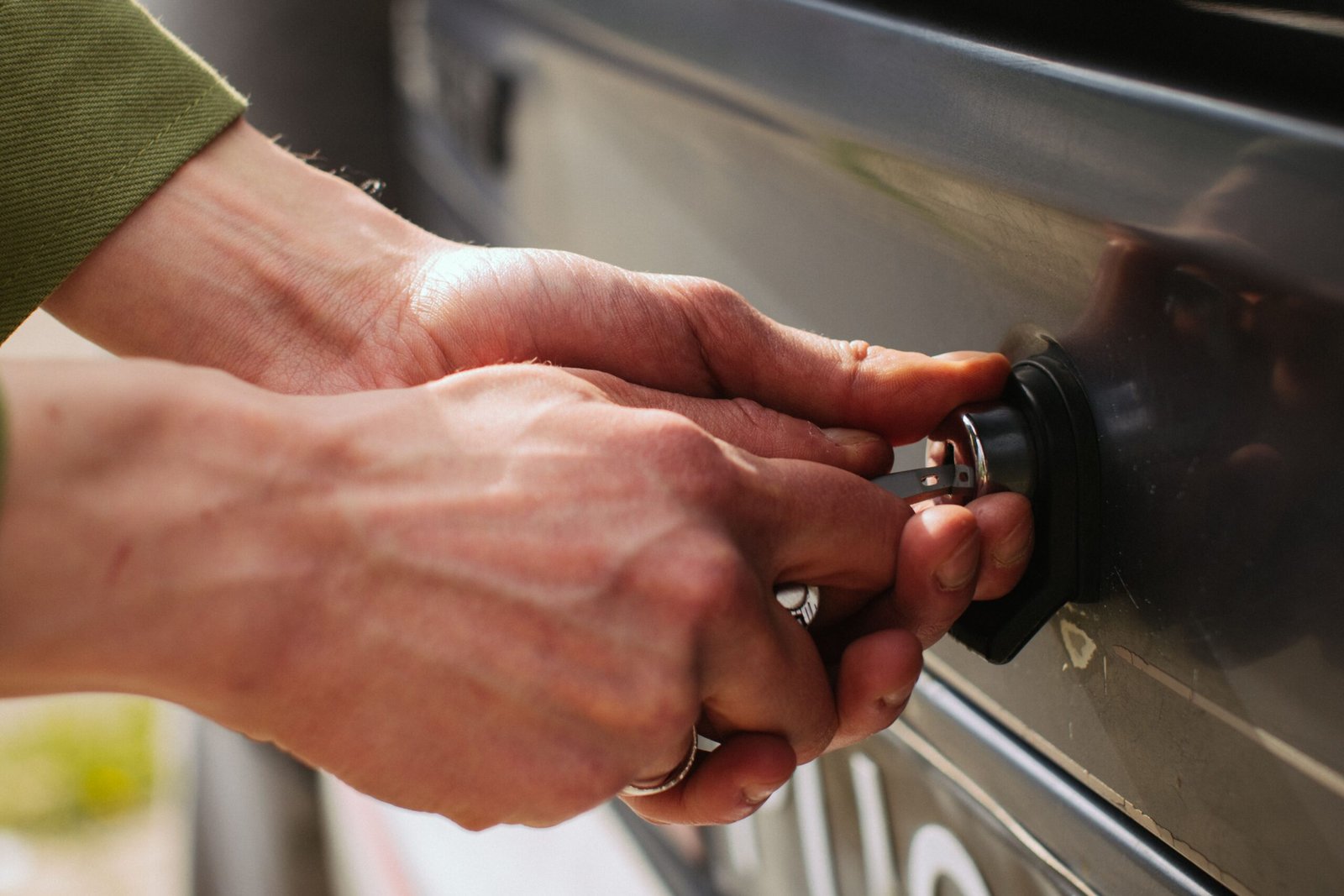
Car theft is a problem that can happen almost anywhere, and even a well-maintained vehicle can become a target if basic security precautions are ignored. Modern cars often come with advanced security systems, but thieves continue to use increasingly sophisticated methods to steal vehicles, break into them, or take valuable items from inside.
The good news is that you do not always need expensive security equipment to make your car harder to steal. A combination of smart parking habits, physical security devices, technology, and everyday awareness can significantly reduce the risk.
Here are 15 practical ways to protect your car from theft and keep your vehicle more secure.
1. Always Lock Your Car
It sounds obvious, but forgetting to lock a vehicle remains one of the easiest ways for thieves to gain access.
Before walking away from your car, check that all doors and windows are properly closed and locked. Do not assume the car locked itself simply because you pressed the remote once.
If your vehicle has a visible lock indicator or mirrors that fold when locked, use that feature to confirm.
Also avoid leaving the key inside the vehicle, even for a short period.
2. Park in a Safe and Well-Lit Area
Where you park your car can make a major difference.
Whenever possible, choose a location that is:
- Well lit
- Busy or regularly monitored
- Covered by security cameras
- Close to buildings or security personnel
- Not hidden behind walls, trees, or other vehicles
Thieves generally prefer locations where they can work without attracting attention.
At home, parking inside a garage is usually safer than leaving your vehicle on the street.
3. Never Leave the Engine Running Unattended
Leaving a running car unattended may seem harmless, especially when you are making a quick stop.
However, a thief may only need a few seconds to get inside and drive away.
Avoid leaving your vehicle running while:
- Buying something from a shop
- Waiting outside someone’s house
- Going inside a building
- Warming up the car
- Picking up food
Turn the engine off, take the key with you, and lock the vehicle.
4. Use a Steering Wheel Lock
A steering wheel lock is one of the simplest physical security devices available.
It creates an additional obstacle for anyone attempting to drive the vehicle away.
Even if a thief manages to gain access to the car, an obvious steering lock can make the vehicle less attractive because removing or defeating it takes additional time.
The most effective approach is to use a high-quality lock that is difficult to cut or break.
5. Keep Your Keys Secure
Your car keys are effectively part of your vehicle’s security system.
Do not leave your keys:
- Near doors or windows
- On an outside table
- In an unlocked room
- Inside the car
- Easily accessible to strangers
For vehicles with keyless entry, consider keeping the key fob away from exterior doors and windows.
If your vehicle manufacturer recommends additional precautions for keyless systems, follow those instructions.
6. Do Not Hide a Spare Key Under the Car
Many people believe hiding a spare key under the vehicle is a smart emergency solution.
It usually is not.
Common hiding locations can be surprisingly easy for experienced thieves to discover.
Instead, keep your spare key in a secure location at home or with a trusted person. If you frequently travel long distances, consider carrying the spare in a secure bag rather than hiding it on the vehicle.
7. Install a GPS Tracking Device
A GPS tracker can help locate a vehicle if it is stolen.
Depending on the device, you may be able to monitor the vehicle’s location through a smartphone application or another tracking system.
A tracker does not physically prevent theft, but it can provide valuable information after the vehicle disappears.
If you install one, choose a reputable device and position it securely according to the manufacturer’s instructions.
8. Consider an Alarm System
A loud alarm can attract attention when someone attempts unauthorized entry.
Many modern vehicles already have factory-installed alarms, but older vehicles may benefit from an aftermarket security system.
A good alarm may detect events such as:
- Door opening
- Unauthorized ignition attempts
- Forced entry
- Movement or impact, depending on the system
The goal is to make the vehicle difficult and inconvenient to attack without drawing unnecessary false alarms.
9. Keep Valuables Out of Sight
Sometimes thieves are not interested in stealing the entire car. They simply want whatever is inside it.
Never leave expensive or attractive items visible through the windows.
Examples include:
- Phones
- Laptops
- Cameras
- Bags
- Wallets
- Cash
- Watches
- Shopping packages
Even an empty-looking bag can attract attention because a thief cannot know what is inside.
Whenever possible, remove valuable belongings from the vehicle completely.
10. Use Your Garage Properly
A garage can provide excellent protection, but only if it is actually secured.
If you have a garage, close the door whenever the vehicle is parked inside. Do not leave the garage door open while you are away.
Also make sure the garage door opener is protected. If someone gains access to the opener, they may potentially gain access to the garage.
For additional security, consider using exterior lighting and a security camera around the garage entrance.
11. Do Not Leave Documents Inside the Car
Important documents can sometimes provide thieves with useful personal information.
Avoid leaving unnecessary documents in the vehicle, particularly paperwork containing your address, identification information, or other sensitive details.
If registration or insurance documents must remain in the car according to local requirements, keep them secured and avoid leaving additional personal paperwork inside.
Reducing the amount of personal information in your vehicle can help protect you beyond the risk of car theft itself.
12. Use a Kill Switch Carefully
A professionally installed kill switch can prevent the engine from starting unless a particular security condition is met.
It can provide another layer of protection, especially on older vehicles without sophisticated factory security systems.
However, installation should be done correctly. Poorly installed electrical modifications can cause starting problems, wiring issues, or other vehicle faults.
If you choose this option, have it installed by a qualified automotive technician who understands the vehicle’s electrical system.
13. Be Careful With Social Media
People sometimes unintentionally reveal too much information about their vehicles online.
For example, posting a photo that clearly shows your license plate, exact location, home entrance, and regular parking habits can provide information that strangers do not need to know.
You do not have to stop sharing car photos, but avoid publicly revealing:
- Your home address
- Your regular parking location
- When you are away from home
- Spare key locations
- Security system details
A little privacy can go a long way.
14. Make Your Car Less Attractive to Thieves
Visible security measures can discourage opportunistic thieves.
For example, a steering wheel lock, alarm sticker, security camera, or other visible deterrent may signal that stealing the vehicle will require additional effort.
The basic idea is simple: make your car a harder target than the vehicle parked next to it.
Thieves often look for easy opportunities. Increasing the time, noise, and effort required can make your vehicle less appealing.
15. Know Your Vehicle’s Security Features
One of the best ways to protect your car is to understand the security equipment it already has.
Read the owner’s manual and learn whether your vehicle includes features such as:
- Immobilizer
- Factory alarm
- Central locking
- Keyless entry
- Anti-theft system
- Engine-start protection
- Remote vehicle tracking
- Security notifications
Many owners have security features but never learn how to use them properly.
Understanding what your car can do allows you to use its built-in protection more effectively.
What Should You Do If Your Car Is Stolen?
Even with good security, no system provides an absolute guarantee against theft.
If your vehicle disappears, contact the appropriate local authorities as soon as possible and provide accurate information about the vehicle.
Keep useful details available, including:
- Vehicle registration information
- License plate number
- Vehicle identification number
- Make and model
- Color
- Distinguishing features
- Recent photographs
- GPS tracking information, if available
If your vehicle has a tracking device, provide its location information to the authorities rather than attempting to recover the vehicle yourself.
Avoid confronting suspected thieves. Your safety is more important than the vehicle.
Final Thoughts
Protecting your car from theft does not necessarily require spending a huge amount of money. Simple habits can make a significant difference.
Lock your vehicle, choose safe parking locations, keep valuables hidden, protect your keys, understand your car’s security features, and consider additional protection such as a steering wheel lock, alarm, or GPS tracker.
The most important principle is to avoid making your car an easy target. A few extra seconds spent securing your vehicle can potentially save you from a major financial and personal headache later.
Car security is not about creating a completely theft-proof vehicle. It is about adding enough layers of protection to discourage criminals and reduce the chances of your vehicle becoming an easy opportunity.