
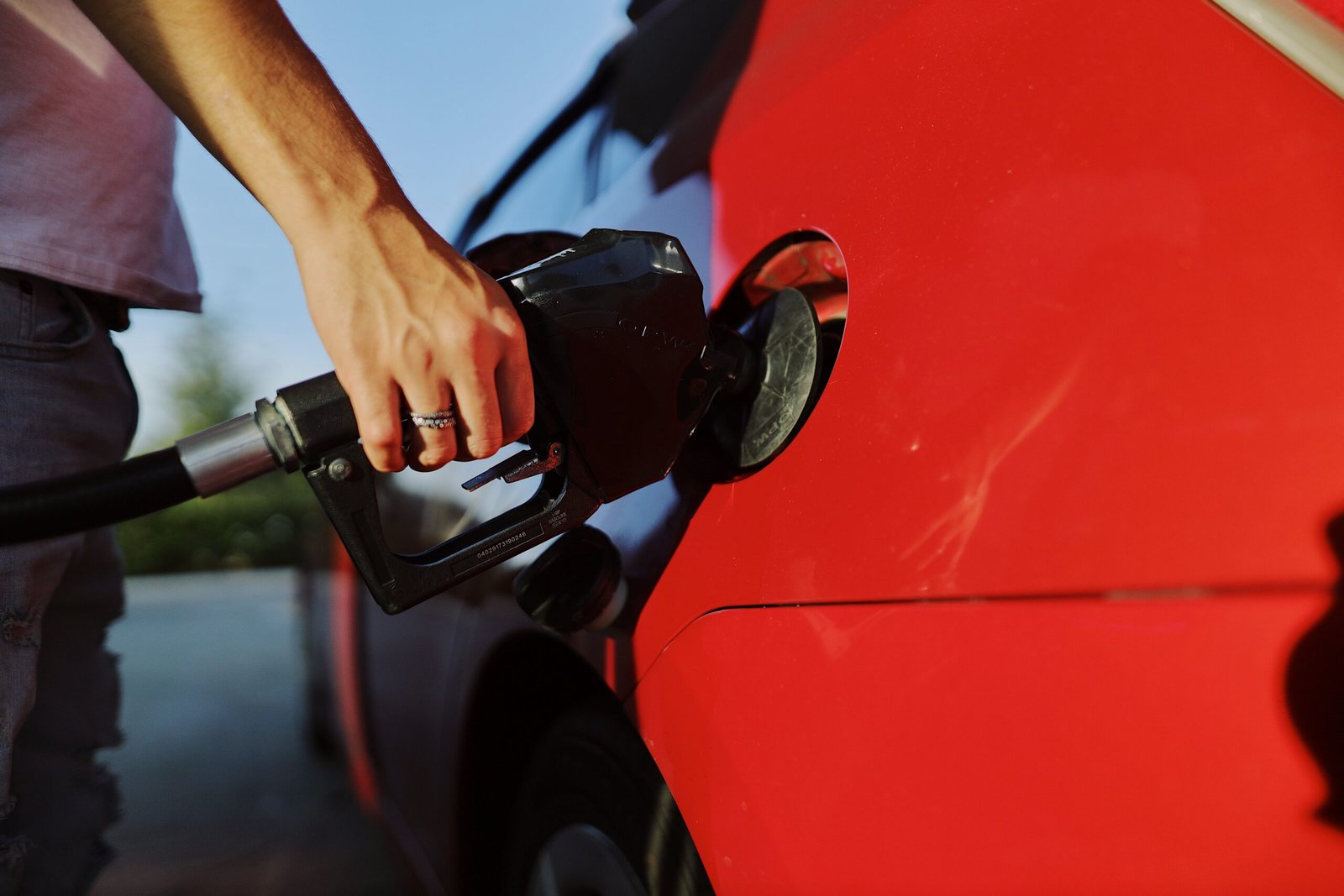
Fuel prices can make everyday driving expensive, especially when your car suddenly starts using more fuel than usual.
Many drivers immediately blame traffic, fuel quality, or aggressive driving. While these can affect fuel consumption, there are also several less obvious reasons why a car may start using more fuel.
Some causes are mechanical, while others are related to tires, maintenance, driving conditions, or small problems that are easy to overlook.
If your car’s fuel economy has recently become worse, these 15 hidden causes are worth checking.
1. Underinflated Tires
Tire pressure has a direct effect on how easily your vehicle moves along the road.
When tires are underinflated, rolling resistance increases. The engine may need to work harder to move the vehicle, which can increase fuel consumption.
Check your tire pressure regularly and use the pressure recommended by your vehicle manufacturer.
Do not use the maximum pressure printed on the tire sidewall as your normal target unless the manufacturer specifies it.
2. Dirty or Clogged Air Filter
The engine needs the correct amount of air to operate efficiently.
A severely restricted air filter can affect engine operation and performance.
Modern fuel-injected engines can compensate for some changes in airflow, so replacing an air filter does not always produce a dramatic fuel-economy improvement. However, a filter that is genuinely dirty or restricted should still be replaced according to the manufacturer’s recommendations.
3. Faulty Oxygen Sensor
The oxygen sensor monitors oxygen levels in the exhaust and helps the engine-management system adjust fuel delivery.
If a sensor becomes faulty, the engine may not operate as efficiently as it should.
Possible signs include:
- Check engine light
- Poor fuel economy
- Rough running
- Increased emissions
- Reduced performance
A diagnostic scan can help determine whether the sensor is actually faulty.
4. Bad Spark Plugs
Spark plugs are important for gasoline engines because they ignite the air-fuel mixture.
Worn, damaged, or incorrectly specified spark plugs can contribute to:
- Misfires
- Rough idling
- Poor acceleration
- Difficult starting
- Reduced efficiency
Follow the replacement interval and specification recommended for your engine.
5. Low Engine Oil or Incorrect Oil
Engine oil reduces friction and helps protect internal components.
Running with an incorrect oil specification or an oil level that is too low can cause problems.
Always use the engine oil grade and specification recommended by the vehicle manufacturer.
Do not assume that the most expensive oil is automatically the best choice.
6. A Faulty Thermostat
The thermostat helps control engine operating temperature.
If it becomes stuck open, the engine may take too long to reach its normal operating temperature.
This can affect efficiency and engine-management behavior.
Possible signs include:
- Engine taking unusually long to warm up
- Temperature gauge staying lower than normal
- Poor cabin heating
- Reduced fuel economy
A mechanic can test the cooling system and thermostat if a problem is suspected.
7. Sticking Brake Components
A brake that does not fully release can create additional resistance while driving.
You may notice:
- One wheel becoming unusually hot
- Burning smell
- Vehicle pulling to one side
- Reduced acceleration
- Poor fuel economy
A sticking brake should be repaired promptly because it can also damage brake components and affect safety.
8. Poor Wheel Alignment
Incorrect wheel alignment can affect how your vehicle travels on the road.
Common signs include:
- Uneven tire wear
- Steering wheel not centered
- Vehicle pulling to one side
- Handling changes
Alignment problems can also contribute to increased rolling resistance and premature tire wear.
If your car hits a large pothole or curb and the steering behavior changes, have the alignment checked.
9. Excessive Vehicle Weight
Carrying unnecessary weight increases the amount of energy required to move the vehicle.
Check your trunk and remove items you do not need.
Heavy tools, unused equipment, boxes, and other objects may seem insignificant individually, but carrying unnecessary weight all the time is not helpful for efficiency.
This is particularly relevant for smaller vehicles.
10. Roof Racks and Cargo Boxes
Roof racks can be extremely useful, but they increase aerodynamic drag.
A roof cargo box can have an even greater effect because of its size and shape.
If you are not using the rack or cargo box, removing it can reduce aerodynamic drag.
The effect is generally more noticeable at higher speeds.
11. Driving With Windows Open at High Speed
Opening windows can increase aerodynamic drag at higher speeds.
The effect varies depending on vehicle design, speed, and how many windows are open.
At low speeds, the difference may be relatively small. At highway speeds, aerodynamic effects become more important.
This does not mean you should never open your windows. It simply means that vehicle aerodynamics can influence fuel consumption.
12. Frequent Short Trips
Short trips can be less efficient than longer journeys.
When the engine is cold, it may use different operating strategies until it reaches normal temperature.
If you repeatedly drive only a few minutes at a time, the vehicle may spend a large portion of its operation warming up.
Combining multiple short errands into one trip can sometimes be more efficient.
13. Excessive Idling
A parked vehicle with the engine running is using fuel without traveling anywhere.
Long periods of unnecessary idling can therefore reduce overall fuel economy.
If you are stopped for an extended period and it is safe and appropriate to switch the engine off, doing so may prevent unnecessary fuel consumption.
However, always follow local laws, safety considerations, and your vehicle’s operating requirements.
14. Faulty Engine Sensors
Modern vehicles use multiple sensors to control engine operation.
Problems with sensors such as:
- Mass airflow sensor
- Manifold pressure sensor
- Coolant temperature sensor
- Oxygen sensor
- Throttle-position-related sensors
can sometimes affect fuel delivery and engine performance.
A diagnostic scanner can help identify stored fault codes, but a code does not always mean that the sensor itself is the failed component. Proper diagnosis is important.
15. Aggressive Acceleration and Braking
Your driving style has a major effect on fuel consumption.
Repeatedly accelerating hard and braking aggressively wastes energy.
Instead:
- Accelerate smoothly
- Maintain a steady speed when conditions allow
- Anticipate traffic
- Avoid unnecessary hard braking
- Keep a safe following distance
Smooth driving is usually more efficient and can also reduce wear on brakes and tires.
Other Things That Can Increase Fuel Consumption
Several additional factors can affect fuel economy.
These include:
- Heavy traffic
- Hilly roads
- Strong winds
- Very hot or cold weather
- Frequent air-conditioning use
- Poor road surfaces
- Heavy towing
- Stop-and-go driving
Not all changes in fuel consumption indicate a mechanical problem.
How to Find the Real Cause
If your fuel economy suddenly becomes worse, do not replace random parts.
Start with simple checks.
Step 1: Check Tire Pressure
Make sure all tires are correctly inflated.
Step 2: Check Maintenance
Look at your service records and determine whether routine maintenance is overdue.
Step 3: Check for Warning Lights
If the check engine light is illuminated, have the vehicle scanned and properly diagnosed.
Step 4: Pay Attention to Driving Conditions
Compare your recent driving with your normal routine.
Have you been driving more in traffic? Taking shorter trips? Carrying more weight?
Step 5: Inspect the Vehicle
If the problem continues, have a qualified mechanic inspect the engine, brakes, tires, alignment, and other relevant systems.
How to Measure Your Fuel Economy Correctly
Don’t judge fuel economy from a single trip.
A better method is to fill the tank, reset the trip meter, drive normally, and then calculate fuel consumption after refueling.
For example, you can compare:
Distance traveled ÷ fuel used
Tracking several refueling cycles gives you a more useful picture than looking at one short journey.
Don’t Replace Parts Without a Diagnosis
One of the biggest mistakes drivers make is replacing expensive components simply because someone suggested they might be responsible.
For example, poor fuel economy does not automatically mean you need a new oxygen sensor, spark plugs, fuel injectors, or air filter.
A proper diagnosis can prevent unnecessary spending.
Final Thoughts
Poor fuel economy can have many causes, and some are surprisingly simple.
Underinflated tires, unnecessary weight, roof racks, short trips, aggressive driving, maintenance problems, brake issues, and faulty sensors can all contribute to increased fuel consumption.
The best approach is to identify the change first, check the simple things, and then investigate mechanical causes if necessary.
If your car suddenly starts using more fuel, don’t just accept it as normal. Find out why.
Understanding the cause can help you save money at the fuel pump while also keeping your vehicle in better condition.