
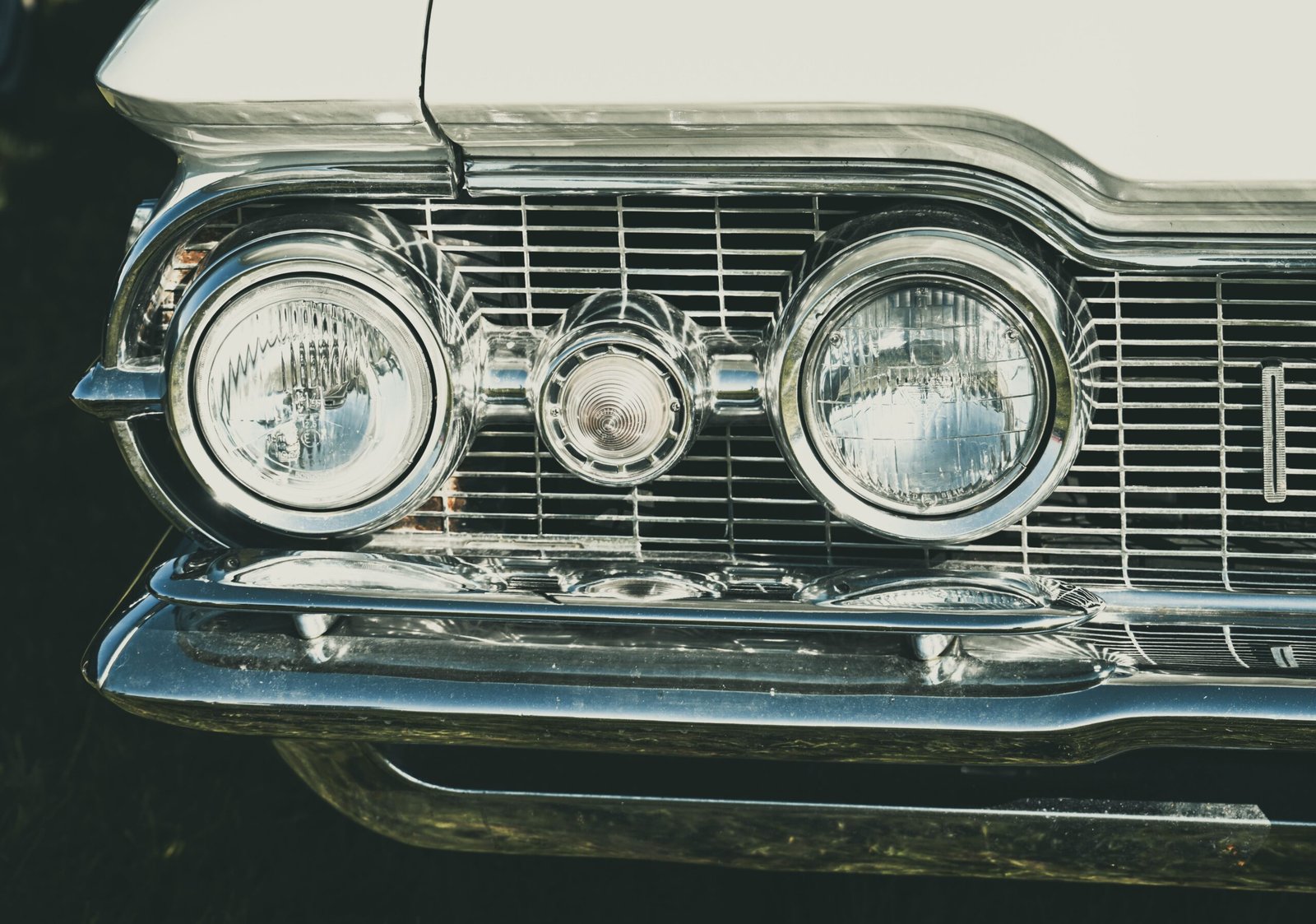
Your car’s headlights are among its most important safety features. They help you see the road at night and make your vehicle visible to other drivers in low-light conditions. When headlights become dim, flicker, stop working, or point in the wrong direction, driving can become dangerous.
Headlight problems are not always caused by a burned-out bulb. Electrical faults, damaged wiring, moisture, poor connections, aging lenses, and charging-system problems can all affect headlight performance.
The good news is that many headlight problems show warning signs before they become serious.
Here are 15 common car headlight problems, their possible causes, and what you can do about them.
1. One Headlight Is Not Working
If one headlight has stopped working while the other still works normally, the bulb is one of the first things to check.
Headlight bulbs have a limited lifespan and eventually burn out.
However, don’t automatically assume the bulb is the only problem. A faulty socket, damaged wiring, fuse, or electrical connection can produce the same symptom.
If a replacement bulb does not solve the problem, the circuit should be inspected.
2. Both Headlights Suddenly Stop Working
When both headlights stop working at the same time, replacing two bulbs immediately may not be the best approach.
A shared electrical component could be responsible.
Possible causes include:
- Blown fuse
- Faulty relay
- Headlight switch problem
- Electrical wiring fault
- Power-supply problem
- Control-module issue
Check the vehicle’s fuse and relay information in the owner’s manual before replacing components.
3. Headlights Are Too Dim
Dim headlights can make nighttime driving uncomfortable and unsafe.
Several things can cause reduced brightness, including aging bulbs, cloudy headlight lenses, poor electrical connections, or a charging-system problem.
If both headlights become noticeably dim at the same time, have the vehicle’s electrical system checked rather than simply installing brighter bulbs.
4. Cloudy Headlight Lenses
Plastic headlight lenses can become yellow, hazy, or cloudy after years of exposure to sunlight, weather, road dirt, and chemicals.
A cloudy lens reduces the amount of useful light reaching the road.
In mild cases, professional headlight restoration may improve visibility. If the lens is severely damaged, replacement may be a better long-term solution.
Keeping the exterior of the lenses clean can also help maintain their performance.
5. Headlights Flicker While Driving
Flickering headlights should not be ignored.
Possible causes include:
- Loose electrical connections
- Alternator problems
- Battery issues
- Damaged wiring
- Poor grounding
- Faulty control modules
If the headlights flicker along with dashboard lights or other electrical equipment, the charging system deserves particular attention.
Electrical faults can become worse over time, so diagnosis is recommended.
6. Headlight Bulbs Keep Burning Out
If you frequently replace the same headlight bulb, something other than normal bulb wear may be happening.
Possible causes include excessive vibration, poor-quality bulbs, voltage problems, moisture inside the housing, or incorrect installation.
When installing a halogen bulb, avoid touching the glass directly with your fingers because oils from your skin can affect the bulb.
If new bulbs repeatedly fail within a short period, have the electrical system inspected.
7. Moisture Inside the Headlight
Small amounts of temporary condensation can sometimes occur because of temperature changes.
However, standing water or persistent moisture inside the headlight assembly is a problem.
Water can damage:
- Bulbs
- Connectors
- Wiring
- Electronic components
- Reflectors
A cracked lens or damaged housing seal may allow water to enter.
The source of the leak should be repaired rather than simply drying the headlight repeatedly.
8. High Beams Are Not Working
If low beams work but high beams do not, the problem could involve the high-beam bulbs, fuse, relay, wiring, or combination switch.
Some vehicles use separate bulbs for high and low beams, while others use bulbs designed for both functions.
Check the owner’s manual to understand how your particular headlight system is configured.
Never drive at night assuming that high beams are working just because the dashboard indicator appears.
9. Low Beams Are Not Working
Low beams are essential for normal nighttime driving.
If the high beams work but low beams don’t, possible causes include:
- Low-beam bulbs
- Fuse
- Relay
- Headlight switch
- Wiring
- Control module
Because low beams are used much more frequently than high beams, worn bulbs can be a common cause.
10. Headlights Point Too High or Too Low
A headlight can work perfectly but still be unsafe if it is aimed incorrectly.
Headlights pointing too high can glare into the eyes of approaching drivers. Headlights pointing too low can reduce the distance you can see ahead.
Incorrect alignment can happen after:
- Suspension repairs
- Front-end impacts
- Headlight replacement
- Accident damage
- Incorrect adjustment
Proper headlight alignment should be checked if the beam pattern suddenly changes.
11. One Headlight Looks Different From the Other
If one headlight appears significantly brighter, whiter, or more yellow than the other, the bulbs may be different ages or types.
Using mismatched bulbs can produce uneven lighting.
For vehicles using replaceable bulbs, it is often useful to replace both bulbs together when one has reached the end of its service life.
Always use the bulb type and specification recommended for the vehicle.
12. Headlight Switch Is Not Working Properly
The headlight switch controls the lighting system and can eventually wear out.
Signs of a switch problem may include:
- Headlights turning on intermittently
- Certain lighting modes not working
- Flickering when the switch is moved
- Lights turning off unexpectedly
Because the switch is part of an electrical circuit, testing should be performed before replacing it.
13. A Headlight Connector Is Damaged
The connector attached to a bulb can become loose, corroded, melted, or damaged.
Heat generated around high-power bulbs can contribute to connector deterioration in some vehicles.
A damaged connector can cause:
- Intermittent lighting
- Flickering
- Complete bulb failure
- Overheating
- Electrical resistance
If a connector appears burned or melted, simply installing another bulb may not solve the underlying problem.
14. Headlight Fuse Keeps Blowing
A fuse is designed to protect an electrical circuit.
If the headlight fuse repeatedly blows after replacement, there may be an electrical short or another fault in the circuit.
Never install a larger fuse simply to prevent it from blowing.
The correct fuse rating is important because the fuse is part of the vehicle’s electrical protection system.
Repeated fuse failure should be diagnosed by someone familiar with automotive electrical systems.
15. Headlights Turn Off While Driving
This is one of the most serious headlight problems.
If your headlights suddenly switch off while driving at night, safely reduce speed and move to a secure location as soon as possible.
Possible causes include:
- Electrical connection failure
- Faulty switch
- Relay failure
- Charging-system problem
- Wiring damage
- Control-module fault
Do not continue normal nighttime driving until the problem has been properly diagnosed.
LED Headlights vs Halogen Headlights
Different vehicles use different headlight technologies.
Halogen bulbs are relatively simple and widely used. LED systems can provide efficient and bright illumination but may use more complicated electronics.
Some LED headlights have integrated electronic components, meaning the entire assembly may require specialized diagnosis if a problem occurs.
Before modifying the lighting system, check the vehicle manufacturer’s specifications.
Avoid Extremely Bright Aftermarket Bulbs
Many drivers believe that installing the brightest possible bulbs automatically makes their vehicle safer.
That is not necessarily true.
An improperly installed or incorrectly aimed lighting system can create excessive glare for other road users while providing poor illumination for you.
The correct bulb type, beam pattern, color, and alignment are more important than simply choosing the highest advertised brightness.
How to Maintain Your Headlights
A few simple habits can help keep your lighting system working properly.
Keep the lenses clean
Dirt and road film can reduce light output.
Inspect the housing
Look for cracks, loose covers, or signs of water entry.
Check the bulbs
Replace aging or failed bulbs with the correct specification.
Watch for electrical symptoms
Flickering, repeated bulb failure, and intermittent operation should be investigated.
Check alignment
Make sure the headlights illuminate the road correctly without creating unnecessary glare.
Avoid unnecessary modifications
Poor-quality wiring or incompatible lighting equipment can create electrical and safety problems.
When Should You See a Mechanic?
You can handle some basic checks yourself, such as inspecting a bulb or cleaning a headlight lens.
However, professional assistance is recommended when the problem involves:
- Repeated fuse failures
- Burning smells
- Melted connectors
- Damaged wiring
- Persistent flickering
- Water inside electronic headlight assemblies
- Headlights shutting off while driving
- Complex LED systems
- Electrical control modules
Automotive electrical systems can be complicated, and incorrect repairs may create additional problems.
Final Thoughts
Headlights are not simply another convenience feature. They are essential safety equipment that helps you see and be seen.
A failed bulb may be a simple repair, but dim lighting, flickering, moisture, repeated bulb failures, or headlights switching off unexpectedly can indicate deeper problems.
Pay attention to changes in brightness and operation, keep the lenses clean, use the correct replacement components, and have electrical faults diagnosed properly.
Most importantly, never ignore a headlight problem just because the vehicle still runs normally. A car can have a perfectly healthy engine and still be unsafe to drive if its lighting system is not working correctly.