
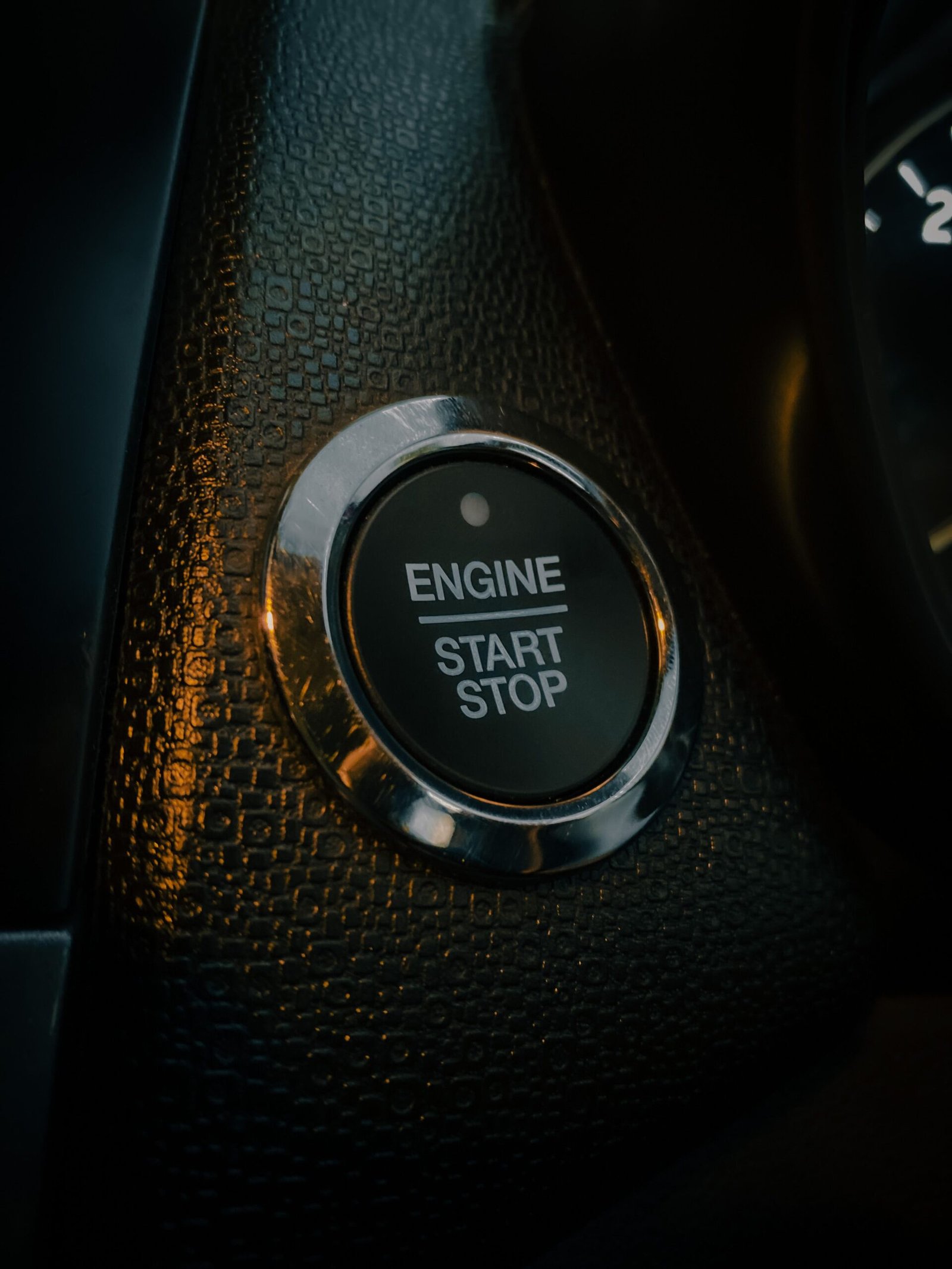
Few things are more frustrating than turning the key or pressing the start button and discovering that your car will not start. Sometimes the problem is simple, such as a weak battery or an empty fuel tank. In other cases, the cause may be related to the starter motor, fuel system, ignition system, or engine electronics.
The good news is that you can often identify the general cause by paying attention to what happens when you try to start the vehicle.
Does the engine crank normally? Do you hear a clicking sound? Is there complete silence? Does the engine start for a moment and then stop?
These clues can help you understand where to begin.
Here are 15 important things to check when your car won’t start.
1. Check the Battery
A weak or completely discharged battery is one of the most common reasons a car refuses to start.
When you turn the key or press the start button, you may notice:
- Dim dashboard lights
- Weak headlights
- Rapid clicking sounds
- Slow engine cranking
- Complete electrical failure
If several electrical components appear weak at the same time, the battery should be one of the first things you inspect.
Check the battery terminals for corrosion or loose connections. A poor electrical connection can prevent enough power from reaching the starter.
2. Listen to the Starting Sound
The sound your vehicle makes when you attempt to start it can provide an important clue.
If you hear a single click, the starter system or battery may have a problem.
If you hear repeated rapid clicks, the battery may be too weak to operate the starter properly.
If the engine cranks normally but does not start, the problem may be related to fuel, ignition, air, or engine management rather than the starter itself.
Paying attention to the sound can help narrow down the problem before replacing any parts.
3. Make Sure There Is Fuel
It may sound obvious, but an empty fuel tank can happen more easily than people expect.
A faulty fuel gauge can also make the situation confusing by showing more fuel than is actually available.
If you recently drove a long distance or the fuel level was already very low, check the fuel level before investigating complicated mechanical problems.
If you suspect the gauge is inaccurate, adding a small amount of fuel can help determine whether the lack of fuel is responsible.
4. Check the Key or Key Fob
Modern vehicles may refuse to start if the car does not recognize the key or key fob.
A weak key-fob battery can sometimes cause recognition problems.
Look for warning messages on the dashboard such as a key symbol or an immobilizer warning.
If your vehicle has a backup method for starting when the key-fob battery is weak, check the owner’s manual for the correct procedure.
Do not immediately assume that the engine itself has failed.
5. Check Whether the Car Is in Park or Neutral
Automatic transmissions generally require the vehicle to be in Park or Neutral before the engine can start.
If the transmission-position sensor is not detecting the selected gear correctly, the vehicle may not allow the starter to operate.
Try moving the selector into Park again and then attempt to start the vehicle.
In some cases, selecting Neutral and trying again can help identify a problem with the gear-position switch.
Never attempt to bypass safety systems yourself.
6. Inspect the Battery Terminals
Even a healthy battery cannot provide proper power if its connections are poor.
Look at the positive and negative terminals and check for:
- White or blue corrosion
- Loose clamps
- Damaged cables
- Excessive dirt
- Broken connections
A poor connection can produce symptoms similar to a dead battery.
If you are comfortable inspecting the terminals, make sure the vehicle is switched off and follow the manufacturer’s safety instructions.
7. Check the Starter Motor
The starter motor is responsible for turning the engine when you attempt to start the vehicle.
A failing starter can produce symptoms such as:
- A single click
- Intermittent starting
- No engine cranking
- Grinding sounds
- Starting after several attempts
If the dashboard lights are strong but the engine does not crank, the starter system becomes a stronger suspect.
Starter problems usually require proper electrical testing rather than simply replacing the starter immediately.
8. Look for Dashboard Warning Lights
Your dashboard can provide useful information when the engine refuses to start.
Pay attention to warning lights or messages related to:
- Engine
- Battery
- Immobilizer
- Oil pressure
- Transmission
- Security system
A warning light alone does not always identify the exact problem, but it can point toward a particular system.
If the vehicle displays a specific error message, check the owner’s manual before continuing.
9. Check the Fuel Pump
When you switch the ignition on without starting the engine, some vehicles produce a brief humming sound from the fuel system.
If the fuel pump is not operating correctly, the engine may crank but fail to start because fuel pressure is insufficient.
Possible symptoms include:
- Engine cranks but does not start
- Difficulty starting
- Stalling
- Loss of engine power
- No fuel-pump sound
Fuel-system diagnosis should be performed carefully because fuel is flammable.
10. Consider a Faulty Ignition System
A gasoline engine needs a properly timed spark to ignite the air-fuel mixture.
Problems with components such as ignition coils, spark plugs, wiring, or related electronics can prevent the engine from starting.
If the engine cranks normally but refuses to fire, the ignition system may be one possible cause.
Modern vehicles can have complex ignition controls, so professional diagnosis is often the safest approach.
11. Check the Air Intake
Engines need the correct amount of air to operate.
A severely restricted air intake can contribute to starting and running problems.
Look for obvious issues such as:
- A damaged intake hose
- A disconnected hose
- Heavy debris
- A severely dirty air filter
- Foreign objects blocking the intake
Do not insert objects into the intake system while the engine is being started.
12. Look for Immobilizer Problems
The immobilizer is designed to prevent unauthorized engine starting.
If the vehicle does not recognize the correct key, it may disable starting or fuel/ignition functions.
An immobilizer warning light may flash or remain illuminated.
Try the manufacturer’s recommended key-recognition procedure. If you have a spare key, testing it can sometimes help determine whether the primary key is the problem.
13. Check the Engine Fuses
A blown fuse can interrupt power to an important vehicle system.
Depending on the vehicle, different fuses may control components involved in:
- Engine management
- Fuel pump
- Starter circuit
- Ignition
- Sensors
- Electronic control modules
The fuse-box diagram in the owner’s manual can help identify the relevant circuits.
Never replace a fuse with one of a higher rating simply because the correct fuse blows repeatedly. That can create a serious electrical hazard.
14. Use an OBD-II Scanner
If the engine cranks but does not start, or the vehicle has displayed a check-engine warning, an OBD-II scanner may provide useful diagnostic information.
The scanner can read diagnostic trouble codes stored by the vehicle’s electronic control system.
However, a trouble code does not automatically mean the named component needs replacement.
For example, a sensor-related code may be caused by wiring, connectors, power supply problems, or another underlying issue.
Use the code as a diagnostic clue rather than a guaranteed answer.
15. Know When to Stop Troubleshooting
Some starting problems can be safely investigated at home, but others require professional assistance.
Stop troubleshooting and seek help if you notice:
- Fuel leaking
- Burning electrical smells
- Smoke
- Severe wiring damage
- Loud mechanical noises
- A damaged fuel system
- Repeated electrical failures
- An engine that has seized
- Signs of fire or overheating
Continuing to repeatedly crank a vehicle with a serious mechanical or electrical problem can sometimes make the situation worse.
What If the Car Cranks but Won’t Start?
This is an important distinction.
If the engine turns over normally but does not actually start, the battery and starter may be functioning well enough to crank the engine.
The possible causes can include:
- Fuel delivery problems
- Ignition problems
- Immobilizer issues
- Sensor failures
- Air-intake problems
- Engine timing problems
- Electrical faults
A diagnostic scan and proper testing can help identify the actual cause.
Avoid randomly replacing expensive components based only on guesses.
What If the Car Makes No Sound at All?
If absolutely nothing happens when you attempt to start the car, begin with the basic electrical checks.
Look at:
- Battery condition
- Battery terminals
- Key recognition
- Gear selector position
- Fuses
- Starter circuit
If the dashboard is completely dead, the battery or main electrical connection becomes particularly important.
If the dashboard works normally but there is no response from the starter, the starter circuit or related safety system may need investigation.
Should You Try Jump-Starting the Car?
If the battery is discharged and the vehicle manufacturer’s instructions allow jump-starting, a proper jump-start may get the car running again.
However, modern vehicles can have sensitive electronics, and incorrect jump-starting can cause damage.
Always follow the procedure specified in the owner’s manual and use appropriate equipment.
If you are unsure, professional roadside assistance is the safer option.
Final Thoughts
A car that refuses to start does not necessarily have a major engine problem. In many cases, the cause can be something relatively simple, such as a weak battery, poor battery connection, key-fob issue, incorrect gear selection, or lack of fuel.
The most important thing is to avoid guessing and replacing parts unnecessarily.
Start with the basic checks, listen carefully to what the vehicle does when you attempt to start it, look at dashboard warnings, and gradually narrow down the possible causes.
If you notice fuel leaks, smoke, burning smells, unusual mechanical noises, or serious electrical problems, stop troubleshooting and get professional help.
Understanding these basic symptoms can save time, prevent unnecessary repair costs, and help you communicate the problem more clearly to a mechanic.