
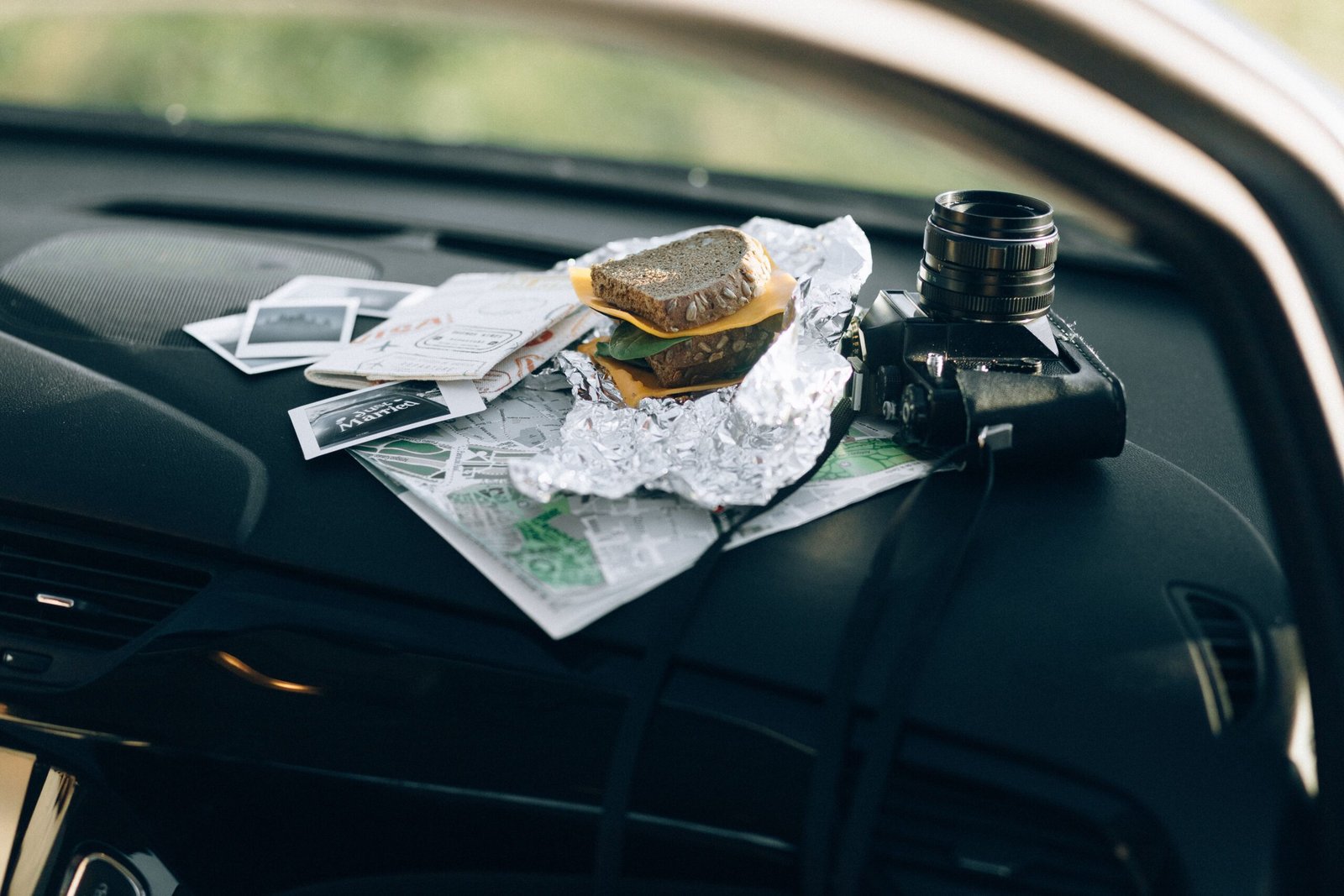
Your car may feel like a convenient place to store everyday items, especially when you are traveling or running errands. However, leaving certain things inside a parked vehicle can create safety, security, and even financial problems.
A car can become extremely hot when parked in direct sunlight, while valuable items left in plain sight can attract thieves. Some objects can also become damaged by heat or may create additional risks during an accident.
Here are 15 things you should avoid leaving inside your car for long periods.
1. Smartphones and Tablets
Electronic devices do not handle extreme temperatures well.
Leaving a phone or tablet inside a hot vehicle can cause the battery and internal components to become extremely hot. Prolonged exposure to high temperatures can shorten battery life and potentially damage the device.
If you must leave your car, take expensive electronics with you whenever possible.
2. Laptops
A laptop can be particularly vulnerable to heat.
High temperatures can affect the battery, display, storage components, and other electronics.
There is also a security risk. A laptop visible through the window can make your vehicle a target for theft.
Never leave an expensive computer sitting visibly inside a parked car.
3. Medicines
Some medications have specific storage requirements and should not be exposed to excessive heat.
A parked car can become much hotter than the outdoor temperature, especially under direct sunlight.
If you need to transport medication, check its storage instructions and avoid leaving it inside a hot vehicle.
4. Important Documents
Avoid leaving important documents inside your car unnecessarily.
These might include:
- Passports
- Identification documents
- Bank documents
- Property papers
- Work documents
- Personal records
If someone breaks into the vehicle, these documents could be stolen or misused.
5. Cash
Leaving cash inside a parked car is an unnecessary security risk.
Even a small amount of money can attract unwanted attention if it is visible through the windows.
Take cash with you whenever practical and avoid using your vehicle as a permanent storage place.
6. Spare House Keys
A spare house key should not be left inside your car.
If someone steals your vehicle and finds the key, they may potentially know where it belongs if other identifying information is also inside the car.
Keep spare keys in a secure location away from the vehicle.
7. Important Personal Information
Receipts, letters, bills, packages, and other papers may contain personal information.
Leaving them inside your car can expose details that you would rather keep private.
Before leaving the vehicle, remove documents that contain sensitive information.
8. Aerosol Cans
Some aerosol products can be affected by high temperatures and pressure.
Examples can include certain:
- Spray products
- Deodorants
- Cleaning sprays
- Paint products
Always check the product’s storage instructions.
Avoid leaving pressurized containers inside a hot vehicle for extended periods.
9. Food That Can Spoil
Food can become unsafe when left in a hot vehicle.
Items containing meat, dairy, eggs, or other perishable ingredients should not be left in a hot car for long periods.
If you are shopping, take perishable food home as soon as possible or use appropriate temperature-controlled storage.
10. Bottled Water in Extreme Heat
Plastic bottles and heat are not a combination you should ignore.
The bigger concern is often the high temperature itself and the condition of the container rather than simply drinking water that has been warmed.
More importantly, never leave a plastic bottle where sunlight can pass through it and focus onto a surface inside the vehicle.
Store drinking water appropriately and avoid prolonged exposure to extreme heat.
11. Chocolate and Other Heat-Sensitive Foods
Chocolate can melt quickly inside a parked car.
Other heat-sensitive foods can also become damaged or messy.
A chocolate bar left on a hot seat can turn into a difficult cleaning job within a short time.
Keep heat-sensitive food out of the vehicle when possible.
12. Sunglasses
Sunglasses may seem harmless, but extreme heat can damage some frames and lenses.
Leaving expensive sunglasses on the dashboard also creates another problem: they are visible from outside and can attract thieves.
Keep valuable sunglasses somewhere safer and out of direct sunlight.
13. Batteries
Loose batteries should not be left exposed to extreme heat.
High temperatures can shorten battery life and, depending on the type and condition of the battery, create leakage or other safety concerns.
Store spare batteries according to the manufacturer’s instructions.
14. Valuables
Never leave expensive items in plain sight.
Examples include:
- Watches
- Jewelry
- Cameras
- Headphones
- Gaming devices
- Wallets
- Bags
Even if your car is locked, visible valuables can encourage someone to break a window.
The safest option is to take valuable belongings with you.
15. Pressurized or Heat-Sensitive Items
Many products should not be stored in extreme temperatures.
Before leaving an item inside your car, check its packaging for storage instructions.
Be particularly careful with products that are:
- Pressurized
- Flammable
- Heat-sensitive
- Battery-powered
- Perishable
If the manufacturer says to keep the product away from high temperatures, do not leave it inside a hot vehicle.
Why Cars Get So Hot
A parked vehicle can become extremely hot because sunlight enters through the windows and warms the interior surfaces.
The dashboard, seats, steering wheel, and other materials absorb heat, causing the cabin temperature to rise significantly.
This is why the temperature inside a parked car can become dangerous for people and animals.
Never Leave Children or Pets Inside a Parked Car
This is the most important rule.
Never leave a child, elderly person who cannot safely exit, or pet unattended inside a parked vehicle.
Even if the windows are slightly open, the temperature can rise quickly and create a life-threatening situation.
If you see a person or animal in immediate danger inside a vehicle, contact local emergency services and seek appropriate assistance.
Keep Your Car Secure
The best habit is to treat your car as transportation, not a storage locker.
Before leaving the vehicle:
- Remove valuables.
- Take important documents.
- Hide or remove bags.
- Close all windows.
- Lock the doors.
- Check the surroundings.
- Avoid leaving expensive electronics visible.
These simple habits can reduce both theft risk and heat-related damage.
Final Thoughts
Your car is useful for transportation, but it is not an ideal place to store many everyday items.
Extreme heat, sunlight, theft, and accidental damage can turn a simple habit into an expensive problem.
Before leaving your vehicle, take a few seconds to look around the cabin and ask yourself:
“Would I be comfortable losing or damaging anything I left here?”
If the answer is no, take it with you.
A few seconds of prevention can save you money, protect your belongings, and keep your vehicle safer.