
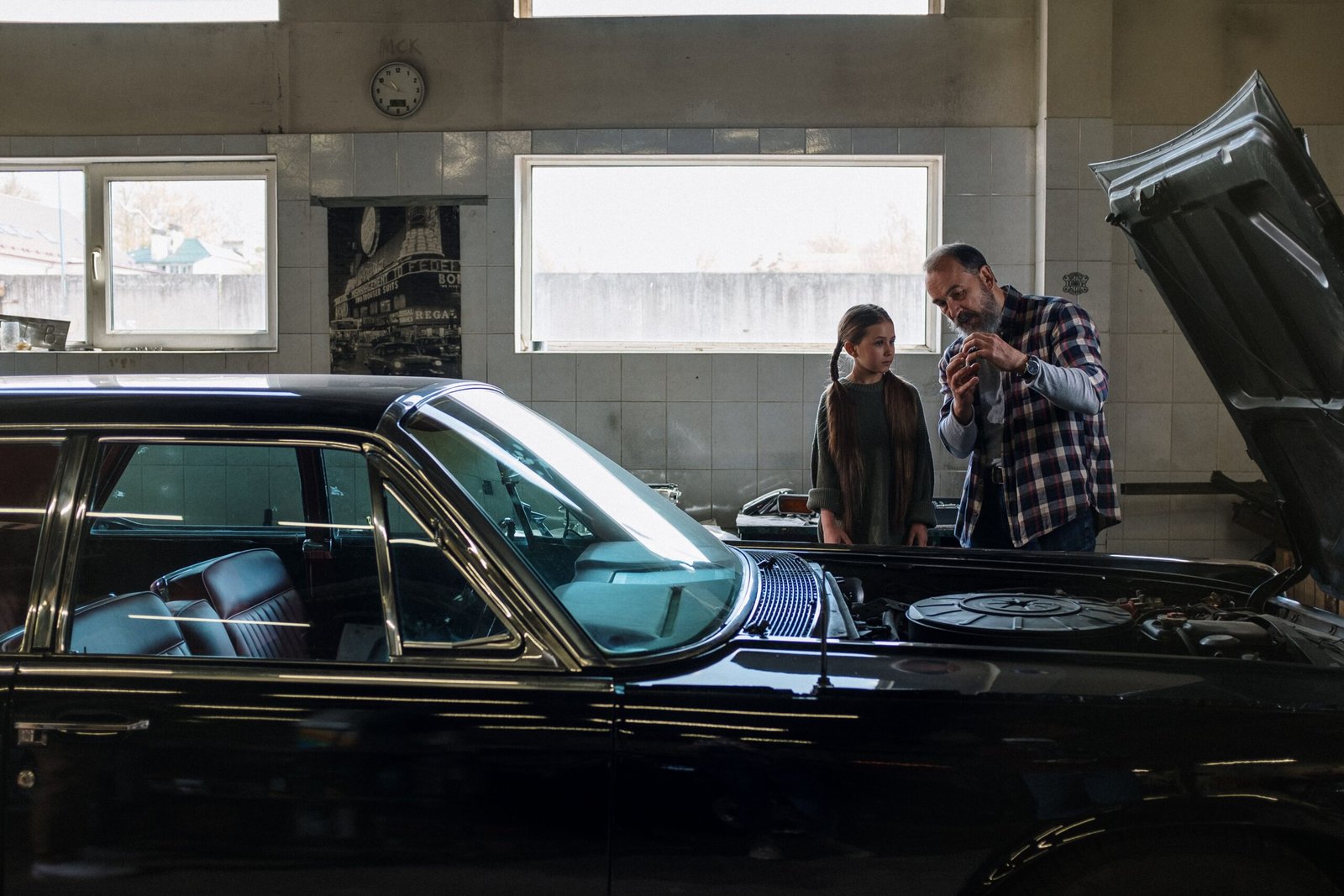
Buying a car is a major expense, but the cost does not end after the purchase. If you plan to sell your vehicle in the future, its condition, maintenance history, appearance, and overall reputation can have a major impact on how much money you receive.
Two cars of the same model and year can have noticeably different resale values. One may be well maintained, clean, and properly documented, while the other may have neglected maintenance, damaged bodywork, or an unclear history.
The good news is that many factors affecting resale value are within the owner’s control.
Here are 15 smart ways to help protect and potentially improve your car’s resale value.
1. Follow the Recommended Maintenance Schedule
Regular maintenance is one of the most important things you can do for your vehicle.
Follow the manufacturer’s recommended service schedule for items such as:
- Engine oil
- Oil filter
- Air filter
- Brake inspection
- Coolant
- Transmission service
- Spark plugs
- Belts
- Other vehicle-specific maintenance
A car with a consistent maintenance history is generally easier to sell because a potential buyer can see that it has been properly cared for.
2. Keep Service Records
Do not throw away your maintenance receipts.
Keep records of:
- Oil changes
- Repairs
- Tire replacements
- Battery replacements
- Brake work
- Major services
- Parts replaced
A well-organized service history can give buyers confidence.
If possible, keep invoices and receipts in a folder or maintain digital copies.
3. Fix Small Problems Before They Become Major Problems
A small issue can sometimes become an expensive repair if ignored.
For example, a minor coolant leak may eventually cause overheating, while worn brake components can lead to additional damage.
Pay attention to:
- Strange noises
- Warning lights
- Fluid leaks
- Vibrations
- Unusual smells
- Starting problems
- Changes in engine performance
Fixing problems early can protect both your car and your wallet.
4. Take Care of the Paint
Exterior appearance creates a strong first impression.
Protect your car’s paint by regularly washing it and removing dirt, dust, bird droppings, and other contaminants.
Avoid using rough materials that can scratch the paint.
If your vehicle has minor scratches or paint defects, consider repairing them before selling if the repair is reasonably priced and improves the overall appearance.
5. Keep the Interior Clean
A clean interior can make an older vehicle feel much newer.
Regularly clean:
- Seats
- Dashboard
- Door panels
- Carpets
- Floor mats
- Cup holders
- Windows
- Trunk area
Remove unnecessary items and personal belongings before showing the vehicle to a potential buyer.
A clean cabin creates the impression that the vehicle has been properly cared for.
6. Don’t Ignore the Tires
Tires are an important part of a vehicle’s appearance and safety.
Check them regularly for:
- Uneven wear
- Cracks
- Low pressure
- Excessive wear
- Damage
Keep the tires properly inflated according to the manufacturer’s recommendation.
If your tires are badly worn when you plan to sell the car, replacing them may improve the vehicle’s appeal—but compare the cost of replacement with the likely increase in resale value.
7. Maintain the Braking System
A buyer will want to know that the car is safe to drive.
Pay attention to:
- Brake squealing
- Grinding noises
- Steering vibration while braking
- Soft brake pedal
- Reduced braking performance
Have brake problems inspected promptly.
A car that requires immediate brake repairs can be much harder to sell at a good price.
8. Avoid Unnecessary Modifications
Modifications can be attractive to some enthusiasts, but they can reduce the number of potential buyers.
Examples include:
- Extremely loud exhaust systems
- Very low suspension
- Oversized wheels
- Unusual body kits
- Poor-quality lighting modifications
- Non-standard interior changes
If you are thinking about resale value, keeping the car close to its original factory specification is often the safer approach.
9. Protect the Dashboard and Interior From Sun Damage
Strong sunlight and heat can gradually damage a vehicle’s interior.
Depending on the materials used, prolonged exposure can contribute to:
- Dashboard cracking
- Faded surfaces
- Discolored seats
- Brittle plastics
- Interior deterioration
Whenever practical, park in shade or use appropriate sun protection.
Taking care of the interior from the beginning can make a significant difference years later.
10. Keep the Air Conditioning Working Properly
A functioning air-conditioning system is important for comfort, especially in hot climates.
Do not ignore problems such as:
- Weak cooling
- Unusual AC noises
- Bad smells
- Poor airflow
- Intermittent cooling
Have the system inspected when necessary.
A buyer discovering that the AC needs an expensive repair may negotiate the selling price downward.
11. Protect the Car From Rust
Rust can seriously affect a vehicle’s appearance and, in severe cases, structural components.
Pay attention to areas where moisture and dirt can accumulate.
If you notice early signs of corrosion, have them assessed and repaired before they spread.
Keeping the exterior clean can also help reduce the buildup of contaminants that contribute to corrosion.
12. Keep the Original Keys and Equipment
When you sell your car, having the original equipment can make the vehicle more attractive.
Keep items such as:
- Spare key
- Owner’s manual
- Original tools
- Jack
- Spare tire
- Factory accessories
Depending on the vehicle, original equipment can be surprisingly valuable to a buyer.
13. Repair Windshield and Glass Damage
Small chips and cracks may become larger over time.
Before selling, inspect:
- Windshield
- Side windows
- Mirrors
- Headlights
- Taillights
If there is minor repairable glass damage, addressing it early may be cheaper than waiting until the problem becomes more serious.
14. Keep the Mileage Reasonable Through Normal Use
Mileage is one of the factors buyers commonly consider.
However, trying to manipulate or hide mileage is never a good idea.
Instead, focus on maintaining the vehicle properly.
A higher-mileage vehicle with excellent maintenance and documentation can sometimes be more attractive than a lower-mileage vehicle that has been neglected.
Honest records are valuable when selling a used car.
15. Prepare the Car Properly Before Selling
Even a well-maintained vehicle can look less attractive if it is dirty when you advertise it.
Before listing the car:
- Wash the exterior.
- Clean the interior.
- Vacuum the carpets.
- Clean the windows.
- Remove personal belongings.
- Check the tire pressure.
- Repair obvious minor issues.
- Gather service records.
- Gather the spare key and original equipment.
- Take clear, honest photographs.
Good presentation can help your advertisement stand out.
What Buyers Usually Notice First
When someone comes to inspect a used car, they may quickly notice:
- Overall exterior condition
- Interior cleanliness
- Tire condition
- Engine sounds
- Warning lights
- AC performance
- Service history
- Accident repairs
- Oil or fluid leaks
- General driving condition
This is why maintaining your vehicle throughout ownership is better than trying to repair everything immediately before selling.
Should You Spend Money Before Selling?
Not every repair is worth doing before a sale.
For example, spending a large amount on cosmetic modifications may not increase the car’s value enough to recover the cost.
Before spending money, ask yourself:
Will this repair make the car easier to sell or justify a higher price?
Safety-related and mechanical repairs are usually more important than expensive cosmetic upgrades.
Avoid Hiding Problems From Buyers
Trying to hide a major problem may result in a lower level of trust and create complications after the sale.
If your vehicle has had an accident, major repair, or mechanical issue, be honest about its history.
A transparent seller often appears more trustworthy than someone who refuses to answer basic questions.
Take Good Photos for Your Advertisement
Photos are extremely important when selling a used car online.
Take pictures in good daylight and show:
- Front
- Rear
- Both sides
- Wheels
- Interior
- Dashboard
- Seats
- Engine bay
- Trunk
- Any noticeable damage
Avoid hiding scratches or damaged areas.
Clear and honest photographs can attract serious buyers and reduce unnecessary questions.
Final Thoughts
Protecting your car’s resale value starts from the day you buy it.
Regular maintenance, proper cleaning, good driving habits, quality repairs, and complete service records can help keep your vehicle attractive to future buyers.
You do not need to spend thousands on unnecessary modifications to make a car valuable. In many cases, simple habits such as keeping the interior clean, maintaining the tires, fixing problems early, and following the service schedule can make the biggest difference.
Take care of your car today, and it will be easier to sell tomorrow.