
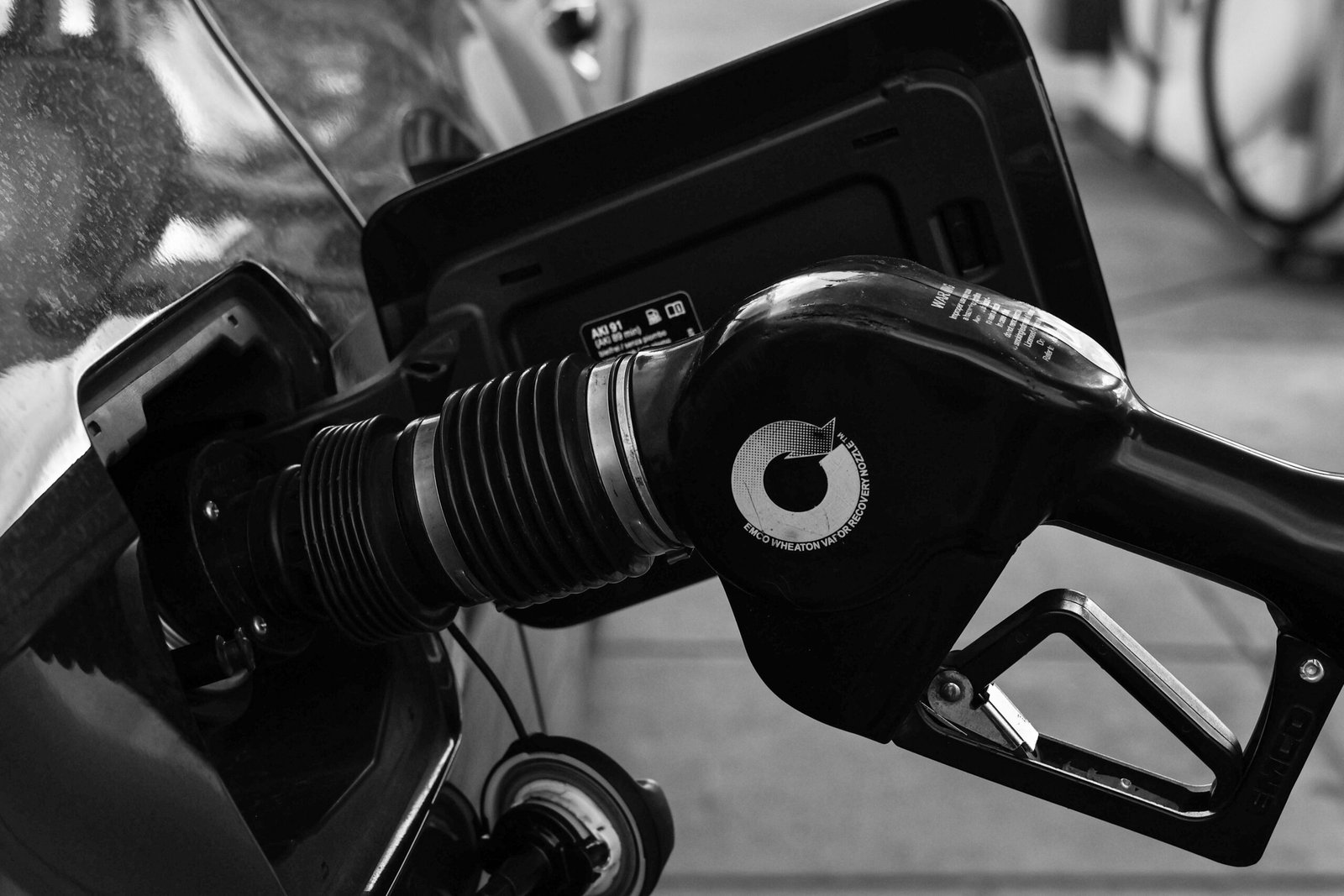
Fuel is one of the biggest ongoing expenses for many car owners. Whether you use your vehicle for commuting, family trips, business, or everyday errands, the amount of fuel your car consumes can have a noticeable impact on your monthly budget.
The good news is that improving fuel economy does not always require buying a new car or making expensive modifications. Simple maintenance and better driving habits can often help your vehicle use fuel more efficiently.
Fuel economy depends on many factors, including the vehicle’s engine, weight, tire pressure, driving style, traffic, weather, road conditions, and maintenance. While you cannot control all of these factors, there are several things you can do to reduce unnecessary fuel consumption.
1. Keep Your Tires Properly Inflated
Tire pressure is one of the easiest things to check and can affect fuel economy.
When tires are underinflated, they create more rolling resistance. This means the engine may need to work harder to move the vehicle.
Check your tire pressure regularly, preferably when the tires are cold, and maintain the pressure recommended by the vehicle manufacturer.
Do not use the maximum pressure printed on the tire sidewall as your normal setting unless it is also the vehicle manufacturer’s recommended pressure.
2. Avoid Aggressive Acceleration
Hard acceleration can use significantly more fuel than smooth, gradual acceleration.
When traffic conditions allow, accelerate smoothly and avoid repeatedly pressing the accelerator aggressively.
This does not mean you should drive dangerously slowly. The goal is simply to avoid unnecessary bursts of acceleration that provide little benefit while increasing fuel consumption.
3. Maintain a Steady Speed
Frequent changes in speed can reduce fuel efficiency.
When road and traffic conditions are suitable, maintaining a relatively consistent speed can help the vehicle operate more efficiently.
On highways, cruise control may help some drivers maintain a steady speed. However, it should only be used when conditions are appropriate and safe.
4. Avoid Unnecessary Idling
An idling engine uses fuel even though the car is not moving.
If you are stopped for an extended period and it is safe and appropriate to turn the engine off, doing so can avoid unnecessary fuel consumption.
However, always consider traffic laws, weather conditions, safety, and your vehicle’s requirements before switching the engine off.
5. Remove Unnecessary Weight
Carrying heavy items that you rarely use can increase the amount of energy required to move the vehicle.
Take a look inside your trunk and remove unnecessary boxes, equipment, luggage, or other heavy objects.
You should always keep essential emergency equipment in the car, but there is usually no reason to carry extra weight that you do not need.
6. Maintain the Engine Properly
A properly maintained engine is important for reliable performance and fuel efficiency.
Follow the manufacturer’s recommended service schedule and make sure the correct engine oil, filters, spark plugs, and other maintenance items are used where applicable.
If your fuel economy suddenly becomes much worse than normal, it may be worth having the vehicle inspected for a mechanical issue.
7. Replace Dirty Filters
Air filters and other filters can become dirty over time.
A heavily restricted engine air filter can affect airflow into the engine. A clogged cabin air filter can also reduce airflow from the climate-control system.
Follow the replacement schedule recommended for your particular vehicle and driving conditions.
8. Use Air Conditioning Wisely
Air conditioning requires energy from the vehicle, which can affect fuel consumption.
During hot weather, however, staying cool and maintaining driver comfort is important. Use the air conditioner sensibly rather than avoiding it completely when it is needed.
At higher speeds, keeping the windows closed may also reduce aerodynamic drag compared with driving with multiple windows fully open.
9. Plan Your Trips
Trip planning can help reduce unnecessary driving.
If you have several errands to complete, consider combining them into one route instead of making separate journeys.
Planning your route can also help you avoid heavy traffic, unnecessary detours, and repeated stops.
Navigation apps can be useful for identifying traffic conditions and choosing efficient routes, although the shortest route is not always the most fuel-efficient.
10. Avoid Unnecessary Roof Loads
Roof racks, cargo boxes, and other equipment mounted on top of the vehicle can increase aerodynamic drag.
This effect can become more noticeable at higher speeds.
If you do not need a roof rack or cargo carrier, removing it may help reduce unnecessary aerodynamic resistance.
If you regularly use one for legitimate transport needs, focus on using it safely and efficiently rather than removing it when it is required.
11. Maintain Proper Wheel Alignment
Incorrect wheel alignment can cause uneven tire wear and may increase rolling resistance.
If your vehicle pulls to one side, the steering wheel is not centered while driving straight, or your tires are wearing unevenly, the alignment may need to be checked.
Proper alignment can also help improve handling and extend tire life.
12. Take Care of the Brakes
A brake that is dragging or not releasing correctly can create unnecessary resistance.
If you notice that your vehicle feels unusually slow, pulls to one side, produces a burning smell, or has a wheel that becomes unusually hot, have the braking system inspected.
Never ignore a suspected brake problem simply to improve fuel economy. Brakes are a critical safety system and should always be repaired properly.
13. Avoid Unnecessary High Speeds
Fuel consumption generally increases as vehicle speed rises, particularly at highway speeds where aerodynamic resistance becomes more significant.
Driving within legal speed limits and maintaining a reasonable speed can help reduce fuel consumption while also improving safety.
There is rarely a good reason to drive significantly faster just to save a few minutes.
14. Monitor Your Fuel Consumption
One of the best ways to understand your car’s fuel economy is to track it over time.
Record how much fuel you add and how far you travel. After several fill-ups, you can calculate your average fuel consumption.
If you suddenly notice a major change compared with your normal results, investigate possible causes such as tire pressure, driving conditions, maintenance issues, or mechanical problems.
15. Use the Correct Engine Oil
Using the correct engine oil is important for proper engine operation.
Different engines require different oil viscosities and performance specifications. Using an unsuitable product may affect engine operation and may not provide the protection the manufacturer intended.
Always check your owner’s manual and use an oil that meets the required specification.
Does Premium Fuel Always Improve Fuel Economy?
Not necessarily.
Higher-octane fuel is not automatically more efficient for every vehicle. If your car’s manufacturer recommends regular gasoline, using a higher-octane fuel may not provide a meaningful fuel-economy benefit.
Always follow the fuel recommendation in your owner’s manual or fuel-filler information.
How Weather Can Affect Fuel Economy
Weather and temperature can influence fuel consumption.
Cold temperatures can affect engine warm-up, tire pressure, fluids, and other factors. Hot weather can increase the use of air conditioning.
Strong winds, rain, snow, and other road conditions can also affect efficiency.
Because of this, do not assume that every change in fuel consumption is caused by a mechanical problem.
Common Fuel-Saving Mistakes
Some drivers believe that removing important maintenance items or using unsuitable products will save money. In reality, incorrect maintenance can create larger problems.
Another mistake is focusing only on fuel-saving tricks while ignoring basic vehicle maintenance.
Proper tire pressure, regular servicing, smooth driving, and avoiding unnecessary weight are generally more useful than complicated techniques.
Final Thoughts
Improving fuel economy is mostly about developing good habits and keeping your vehicle properly maintained.
Keep your tires inflated to the recommended pressure, maintain the engine, avoid aggressive driving, reduce unnecessary idling, remove extra weight, and plan your journeys carefully.
Remember that fuel economy varies from vehicle to vehicle and depends on many conditions. The goal should not be to sacrifice safety or comfort, but to eliminate unnecessary fuel consumption wherever practical.
By combining sensible driving with regular maintenance, you can help your car operate more efficiently and potentially reduce your fuel expenses over time.