
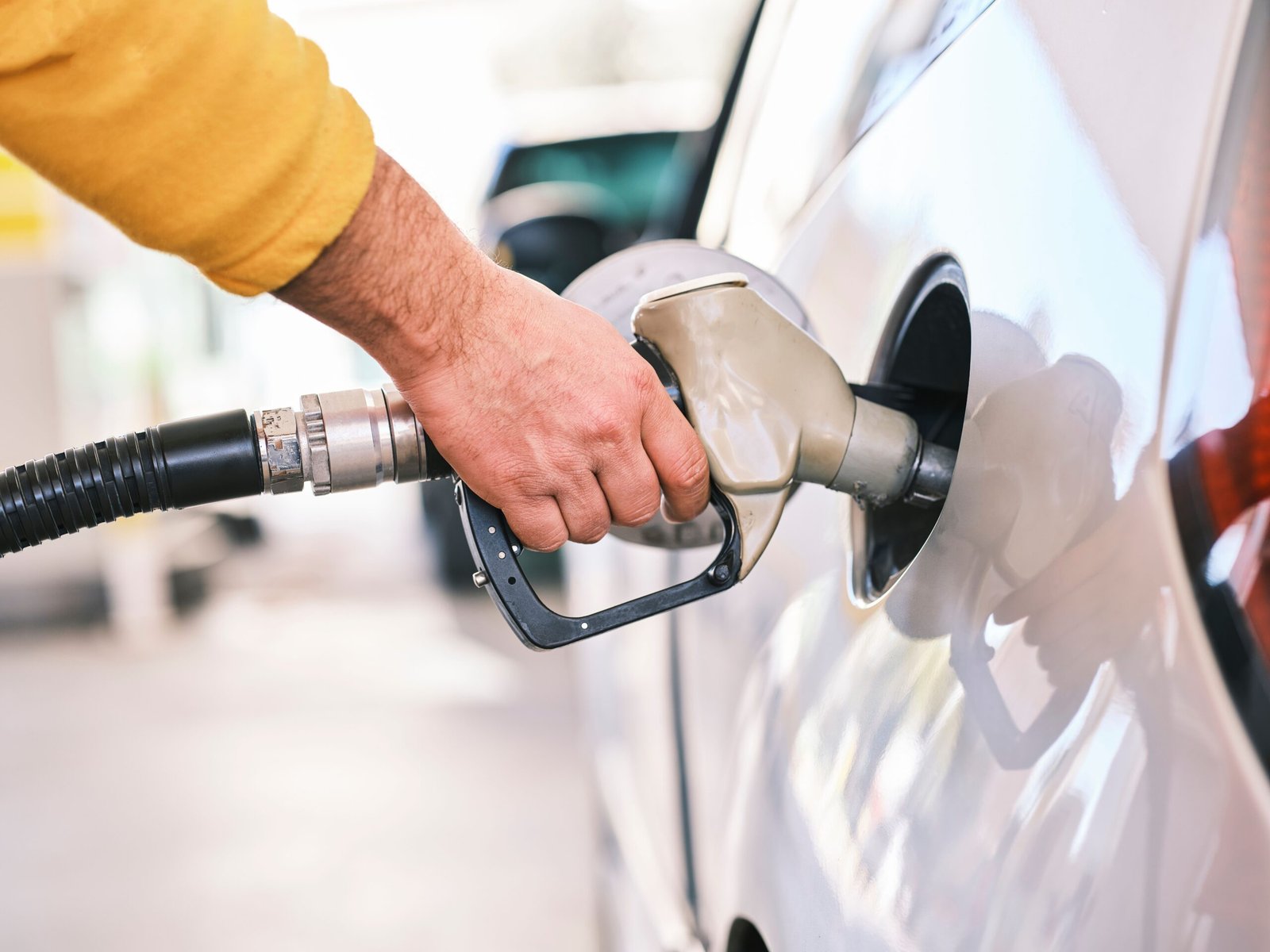
Fuel is one of the biggest regular expenses for car owners. Whether you drive to work every day, take your family on road trips, or simply use your car for daily errands, improving fuel economy can help you save money. The good news is that you do not always need an expensive modification or a new car to reduce fuel consumption.
Small changes in driving habits and regular vehicle maintenance can make a noticeable difference. Here are 10 simple tips that can help improve your car’s fuel economy.
1. Keep Your Tires Properly Inflated
Tire pressure has a direct effect on fuel consumption. When tires are underinflated, the engine has to work harder to move the vehicle, which can increase fuel use.
Check your tire pressure regularly and keep it at the level recommended by your vehicle manufacturer. Avoid using the maximum pressure printed on the tire as your normal setting unless it matches the manufacturer’s recommendation.
2. Avoid Aggressive Driving
Rapid acceleration, hard braking, and frequent speeding can significantly increase fuel consumption. Smooth driving is generally more efficient.
Try to accelerate gradually and maintain a steady speed whenever traffic conditions allow. Looking ahead and anticipating traffic can also help you avoid unnecessary braking and acceleration.
3. Reduce Unnecessary Weight
Carrying heavy items that you do not need can increase the amount of fuel your vehicle uses. Remove unnecessary tools, boxes, luggage, and other heavy objects from your trunk or cargo area.
You do not need to remove essential emergency equipment, but keeping your vehicle reasonably light can help improve efficiency.
4. Do Not Leave Your Engine Idling Unnecessarily
Leaving the engine running while parked consumes fuel without moving the vehicle. If you are waiting for an extended period and it is safe and appropriate to do so, consider switching the engine off.
However, always follow local laws and your vehicle manufacturer’s recommendations, particularly in extreme weather conditions.
5. Keep Up With Regular Maintenance
A well-maintained vehicle is more likely to operate efficiently. Regular oil changes, filter replacements, tire inspections, and scheduled servicing can help keep the engine and other systems working properly.
If your car suddenly starts using much more fuel than usual, it may be worth having it inspected for a mechanical issue.
6. Use Air Conditioning Wisely
Air conditioning can increase fuel consumption, particularly in some driving conditions. During very hot weather, however, driver comfort and safety are important.
Use the air conditioner at a reasonable setting and avoid unnecessarily running it at maximum power for long periods. At higher road speeds, keeping the windows closed can sometimes be more efficient than driving with them fully open.
7. Maintain a Consistent Speed
Constantly changing speed can waste fuel. When road and traffic conditions permit, maintaining a steady speed can help your vehicle operate more efficiently.
On highways, cruise control may help some drivers maintain a consistent speed. However, it should not be used where traffic, weather, or road conditions make it unsafe.
8. Plan Your Trips
Combining several errands into one trip can reduce unnecessary driving. Planning your route before leaving can also help you avoid traffic congestion and unnecessary detours.
If you regularly travel the same route, consider choosing a route that offers smoother traffic rather than simply the shortest distance.
9. Avoid Carrying Roof Loads When Not Needed
Roof racks, cargo boxes, and other external equipment can increase aerodynamic drag, especially at higher speeds. If you are not using a roof rack or cargo carrier, removing it may improve aerodynamic efficiency.
This can be particularly useful for drivers who frequently travel on highways.
10. Pay Attention to Your Driving Habits
One of the easiest ways to improve fuel economy is to understand how your own driving affects consumption. Keep track of your fuel usage over several fill-ups and notice when consumption increases.
Frequent short trips, aggressive acceleration, heavy traffic, and excessive idling can all contribute to higher fuel consumption. Making small adjustments over time can lead to better overall efficiency.
Final Thoughts
Improving fuel economy does not have to be complicated. Keeping tires properly inflated, maintaining your vehicle, driving smoothly, reducing unnecessary weight, and planning your journeys can all help reduce fuel consumption.
Remember that fuel economy varies depending on the vehicle, road conditions, weather, traffic, and driving style. The goal is not to drive unusually slowly or sacrifice safety, but to develop smooth and efficient driving habits.
A few simple changes today can help reduce fuel costs while also putting less unnecessary strain on your vehicle.