
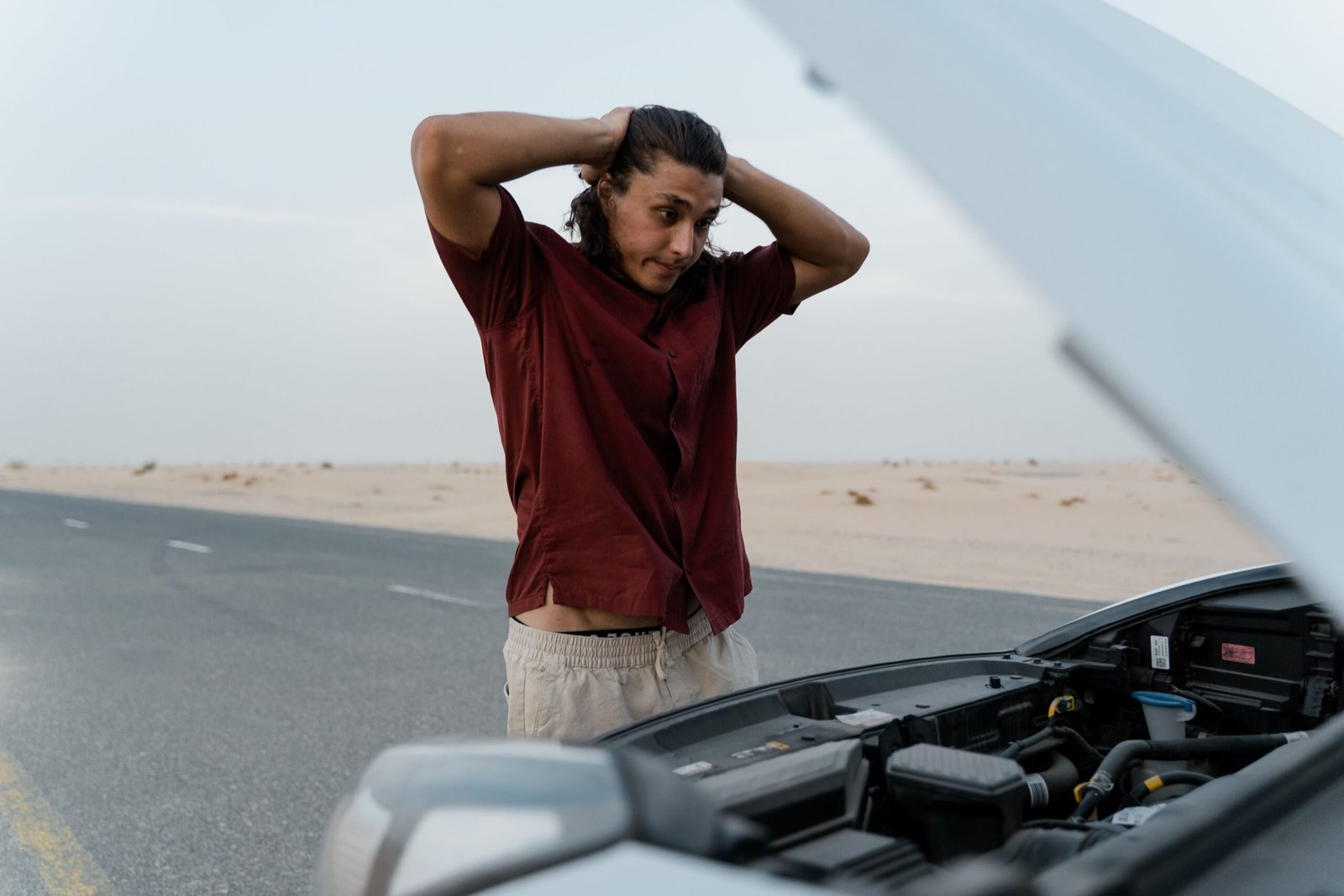
An overheating engine is a problem that no driver should ignore. Your car’s engine produces a large amount of heat while running, and the cooling system is designed to keep the temperature within a safe range. When that system cannot remove enough heat, the engine temperature can rise beyond normal levels.
Driving an overheating car for too long can cause serious and expensive engine damage. Understanding the common causes and knowing what to do can help protect your vehicle.
What Does It Mean When a Car Overheats?
A car is considered to be overheating when the engine temperature rises above its normal operating range.
You may notice the temperature gauge moving toward the hot zone, a warning light appearing on the dashboard, steam coming from under the hood, or an unusual smell.
If you notice these signs, do not continue driving normally and hope the temperature returns to normal.
1. Low Coolant Level
One of the most common causes of overheating is insufficient coolant.
Coolant absorbs heat from the engine and helps transfer that heat through the cooling system. If the coolant level becomes too low, the system may not be able to cool the engine effectively.
Low coolant can result from a leak or another cooling-system problem. Simply adding coolant without finding the reason for the loss may not solve the problem.
2. Coolant Leak
A damaged hose, radiator, water pump, gasket, or another component can cause coolant to leak.
If you notice a puddle or wet area underneath your car, it may be worth having the vehicle inspected.
The color and appearance of a fluid can sometimes provide clues, but identifying automotive fluids by appearance alone is not always reliable.
3. Faulty Thermostat
The thermostat controls coolant flow through the engine and cooling system.
If it becomes stuck in the wrong position, coolant may not circulate correctly. This can cause the engine temperature to rise.
A faulty thermostat usually requires proper diagnosis and replacement if confirmed to be the cause.
4. Radiator Problems
The radiator helps release heat from the coolant. Dirt, damage, corrosion, internal blockage, or other radiator problems can reduce its cooling ability.
A radiator that cannot transfer heat efficiently may contribute to overheating, particularly during heavy traffic or hot weather.
5. Cooling Fan Failure
Cooling fans help move air through the radiator when needed.
If a fan, motor, fuse, relay, wiring connection, or control component fails, airflow through the radiator may be insufficient.
This problem can become especially noticeable when the vehicle is stopped or moving slowly.
6. Water Pump Problems
The water pump circulates coolant through the engine and cooling system.
If the pump is damaged or fails to circulate coolant properly, engine temperature can rise.
Because water-pump problems can be serious, professional diagnosis is recommended when overheating is accompanied by unusual noises, leaks, or repeated temperature increases.
What Should You Do If Your Car Overheats?
If the temperature gauge reaches the hot zone or a temperature warning appears, safely pull over as soon as possible.
Turn off the engine and allow it to cool. Do not open the radiator cap while the engine is hot because the cooling system may be under pressure.
If you see steam or suspect a major cooling-system failure, keep a safe distance and consider calling roadside assistance or a qualified mechanic.
Can You Continue Driving an Overheating Car?
It is generally not a good idea to continue driving an overheating vehicle. Even a short period of severe overheating can potentially cause major engine damage.
The safest approach is to stop in a suitable location, allow the vehicle to cool, and determine why the engine overheated before continuing.
If the temperature rises again after restarting, stop driving and arrange professional assistance.
How to Prevent Overheating
Regular maintenance can help reduce the risk of cooling-system problems.
Check coolant levels according to your vehicle manufacturer’s instructions and follow the recommended maintenance schedule.
Pay attention to temperature-gauge changes, warning lights, coolant leaks, unusual smells, and changes in cooling-system performance.
It is also important to use the correct coolant type and follow the manufacturer’s recommendations rather than mixing unsuitable products.
Final Thoughts
An overheating engine should never be treated as a minor problem. Low coolant, leaks, thermostat problems, radiator issues, cooling-fan failures, and water-pump problems are among the possible causes.
If your vehicle overheats, stop safely and allow the engine to cool. Never remove a hot radiator cap, and avoid continuing to drive if the temperature remains high.
Taking action early can help protect the engine from serious damage and may save you from a much more expensive repair later.