
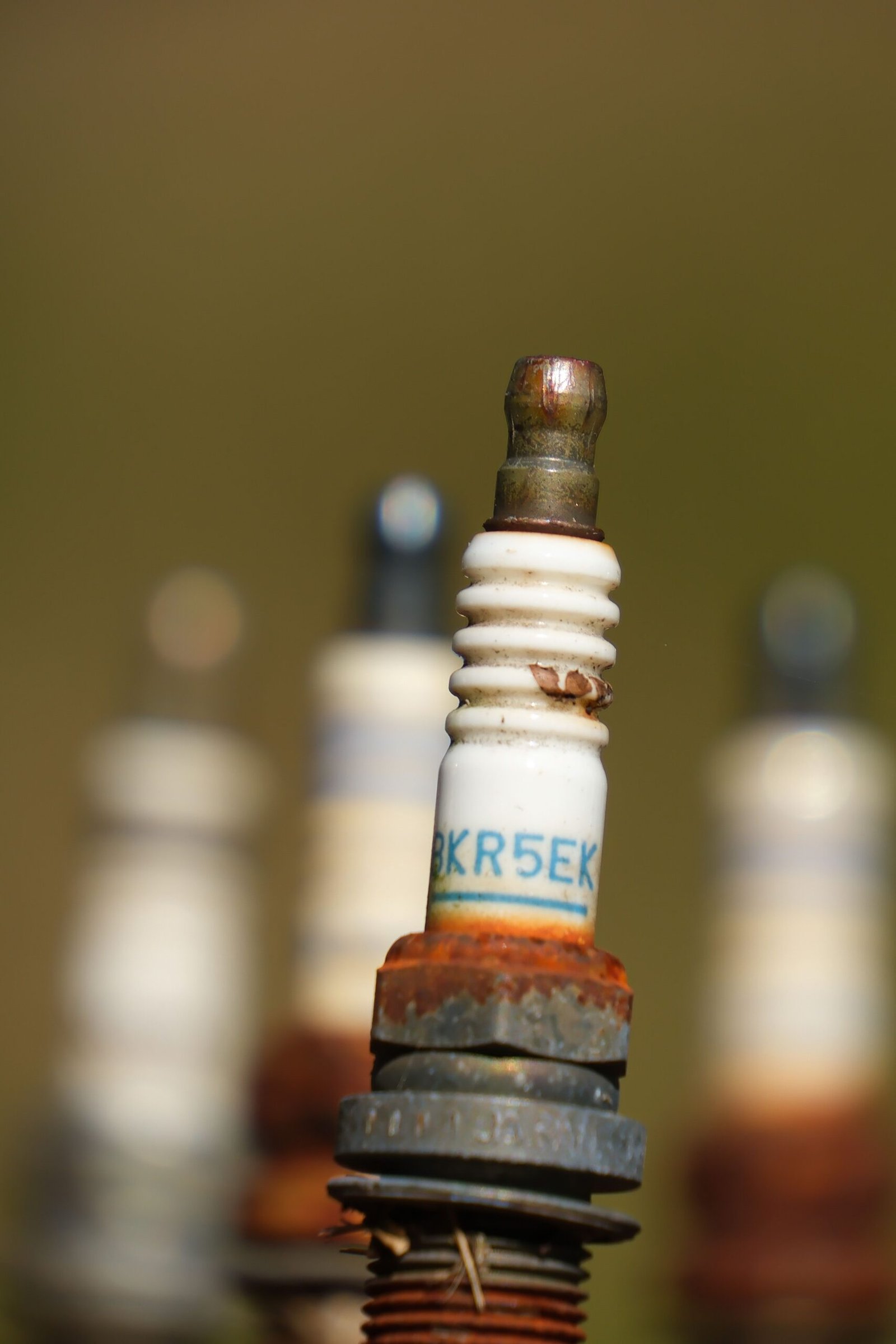
Spark plugs are small but extremely important components in gasoline-powered engines. They create the electrical spark needed to ignite the air-fuel mixture inside the combustion chamber. When spark plugs become worn, dirty, damaged, or incorrectly gapped, engine performance can suffer.
A car with bad spark plugs may experience rough idling, poor acceleration, reduced fuel economy, difficult starting, or engine misfires.
The good news is that spark plug problems are often easier and less expensive to fix than major engine problems—especially when they are detected early.
In this guide, we explain 15 common spark plug problems, their warning signs, possible causes, and maintenance tips.
What Does a Spark Plug Do?
A spark plug delivers a controlled electrical spark inside the engine’s combustion chamber. This spark ignites the compressed air-fuel mixture and produces the combustion that powers the engine.
Spark plugs must operate in an extremely hot and demanding environment.
Their condition can affect:
- Engine performance
- Fuel economy
- Starting
- Acceleration
- Emissions
- Idle quality
- Engine smoothness
Because of this, spark plugs should not be ignored during routine maintenance.
1. Difficult Engine Starting
One of the first symptoms of worn spark plugs can be difficult starting.
If the spark is weak or inconsistent, the engine may require more cranking before it starts.
Possible causes include:
- Worn spark plugs
- Incorrect spark-plug gap
- Carbon buildup
- Ignition-system problems
- Weak battery
- Fuel-system problems
If your car suddenly becomes difficult to start, the spark plugs are worth checking along with the rest of the starting and ignition system.
2. Rough Idling
A healthy gasoline engine should generally idle smoothly.
If the engine shakes, vibrates, or feels uneven while stationary, worn or fouled spark plugs could be one possible cause.
However, rough idle can also result from:
- Vacuum leaks
- Dirty injectors
- Ignition coils
- Airflow problems
- Sensor faults
- Engine mounts
Proper diagnosis is important before replacing parts.
3. Engine Misfires
A misfire happens when combustion does not occur correctly in one or more cylinders.
You may notice:
- Engine shaking
- Hesitation
- Loss of power
- Flashing check-engine light
- Uneven acceleration
A faulty spark plug can cause a misfire, but ignition coils, injectors, wiring, compression, and other problems can produce similar symptoms.
If the check-engine light is flashing, avoid continued hard driving because an active misfire can damage the catalytic converter.
4. Poor Fuel Economy
Bad spark plugs can contribute to poor fuel economy because combustion may become less efficient.
You might notice that your vehicle travels fewer kilometers on the same amount of fuel.
Before blaming the spark plugs, also consider:
- Tire pressure
- Driving habits
- Air filter condition
- Fuel-system problems
- Engine maintenance
- Traffic conditions
A fuel-economy drop combined with rough running or misfires makes an ignition-system inspection more important.
5. Slow Acceleration
If your car feels weaker than normal when accelerating, worn spark plugs may be contributing to the problem.
A weak or inconsistent spark can prevent the engine from producing its expected power.
Slow acceleration can also be caused by transmission problems, fuel delivery issues, restricted exhaust systems, or engine faults.
6. Engine Hesitation
Engine hesitation occurs when you press the accelerator but the vehicle does not respond smoothly.
You may feel:
- A brief pause
- Jerking
- Stuttering
- Uneven acceleration
Spark-plug problems are one possible cause, particularly if the hesitation occurs under load.
7. Check Engine Light
Modern vehicles use sensors to detect combustion and emissions problems.
A faulty spark plug can contribute to misfire-related diagnostic trouble codes.
The check-engine light may also be caused by:
- Ignition coils
- Fuel injectors
- Sensors
- Vacuum leaks
- Catalytic-converter problems
- Other engine faults
A diagnostic scan can help identify the affected cylinder or system.
8. Carbon Fouling
Spark plugs can develop black deposits when combustion conditions are not ideal.
Possible causes include:
- Rich fuel mixture
- Excessive idling
- Certain engine problems
- Incorrect spark-plug heat range
- Oil contamination
The appearance of the spark plug can provide useful diagnostic information, but it should be interpreted alongside other engine symptoms.
9. Oil Fouling
If the spark-plug tip becomes contaminated with engine oil, there may be an underlying engine problem.
Possible causes include:
- Worn piston rings
- Valve-seal problems
- Excessive oil entering the combustion chamber
Replacing the spark plug may temporarily restore performance, but the underlying source of the oil contamination should also be diagnosed.
10. Damaged Spark Plug Insulator
Spark plugs have a ceramic insulator that helps control the electrical path.
If the insulator is cracked or damaged, the plug may not operate correctly.
A damaged spark plug should generally be replaced rather than repaired.
During installation, spark plugs should also be tightened to the manufacturer’s specified torque.
11. Incorrect Spark Plug Gap
The gap between the spark plug electrodes is important.
If the gap is too large or too small, ignition performance can be affected.
Modern spark plugs are often supplied with a factory-set gap, but specifications vary by engine.
Always follow the manufacturer’s recommended specification rather than using a universal gap.
12. Worn Electrodes
Spark-plug electrodes gradually wear as they operate.
Over time, the electrode shape and gap can change, potentially reducing ignition performance.
Signs of wear may include:
- Difficult starting
- Misfires
- Poor acceleration
- Rough idle
- Reduced fuel economy
Replacing spark plugs according to the manufacturer’s maintenance schedule can help prevent excessive wear.
13. Spark Plug Deposits
Deposits can build up on spark plugs because of combustion byproducts or other engine conditions.
Heavy deposits can interfere with proper ignition.
If a newly installed spark plug quickly becomes heavily contaminated, do not simply keep replacing plugs. The reason for the contamination should be investigated.
14. Wrong Spark Plug Type
Not every spark plug is suitable for every engine.
Different engines require specific:
- Thread dimensions
- Reach
- Heat range
- Electrode design
- Gap
- Material
- Manufacturer specifications
Using an incorrect spark plug can result in poor performance or even engine damage.
Always select plugs according to the vehicle manufacturer’s specifications.
15. Spark Plug Problems After Engine Repair
Sometimes ignition problems appear after engine or maintenance work.
Possible causes include:
- Loose ignition coil
- Incorrect spark-plug installation
- Damaged connector
- Incorrect torque
- Wiring problems
- Wrong replacement part
If an engine begins misfiring immediately after maintenance, return to the repair area and have the installation checked.
How Often Should Spark Plugs Be Replaced?
There is no single replacement interval that applies to every vehicle.
Spark-plug life depends on:
- Plug material
- Engine design
- Driving conditions
- Fuel quality
- Manufacturer specifications
- Engine condition
Some modern plugs can last significantly longer than older conventional designs.
Always check your owner’s manual or manufacturer’s service schedule for the correct interval.
Iridium vs Conventional Spark Plugs
Modern vehicles may use different spark-plug materials.
Conventional Plugs
These can be less expensive but generally have a shorter service life.
Platinum Plugs
Platinum electrodes can provide longer service life than many conventional designs.
Iridium Plugs
Iridium spark plugs are commonly used in modern engines because of their durability and fine-electrode design.
The most important factor is not simply choosing the most expensive plug. It is using the correct plug specified for your engine.
How to Inspect Spark Plugs
If you are experienced with basic vehicle maintenance, spark plugs can provide useful clues about engine condition.
An inspection may reveal:
- Normal wear
- Carbon deposits
- Oil contamination
- Unusual electrode wear
- Cracks
- Abnormal deposits
However, spark-plug appearance alone cannot always identify the exact cause of an engine problem.
If you are not comfortable removing spark plugs, have a qualified technician inspect them.
How to Prevent Spark Plug Problems
Regular maintenance is the best way to avoid ignition-related problems.
Follow the Service Schedule
Replace spark plugs at the interval recommended for your engine.
Use the Correct Parts
Never choose spark plugs based only on physical appearance.
Keep the Engine Healthy
Problems with oil consumption, fuel mixture, or cooling can affect spark-plug condition.
Avoid Over-Tightening
Spark plugs should be installed using the manufacturer’s recommended procedure and torque.
Check Ignition Components
Ignition coils, wiring, and connectors should also be inspected when misfires occur.
Can Bad Spark Plugs Damage the Engine?
Worn spark plugs do not automatically mean that the engine will be damaged, but ignoring severe ignition problems is not a good idea.
Persistent misfires can allow unburned fuel to enter the exhaust system and may damage emissions components such as the catalytic converter.
If your engine is misfiring badly, have it diagnosed promptly.
Final Thoughts
Spark plugs play a critical role in gasoline engine performance. Small ignition problems can cause noticeable symptoms such as difficult starting, rough idle, poor acceleration, reduced fuel economy, hesitation, and engine misfires.
The best way to keep your ignition system healthy is to use the correct spark plugs, follow the manufacturer’s replacement schedule, and investigate unusual engine behavior early.
If your vehicle develops repeated misfires or a flashing check-engine light, avoid unnecessary driving and have the problem diagnosed as soon as possible.
A simple spark-plug replacement can sometimes restore smooth engine performance—but when plugs fail repeatedly, the underlying cause should always be investigated.