
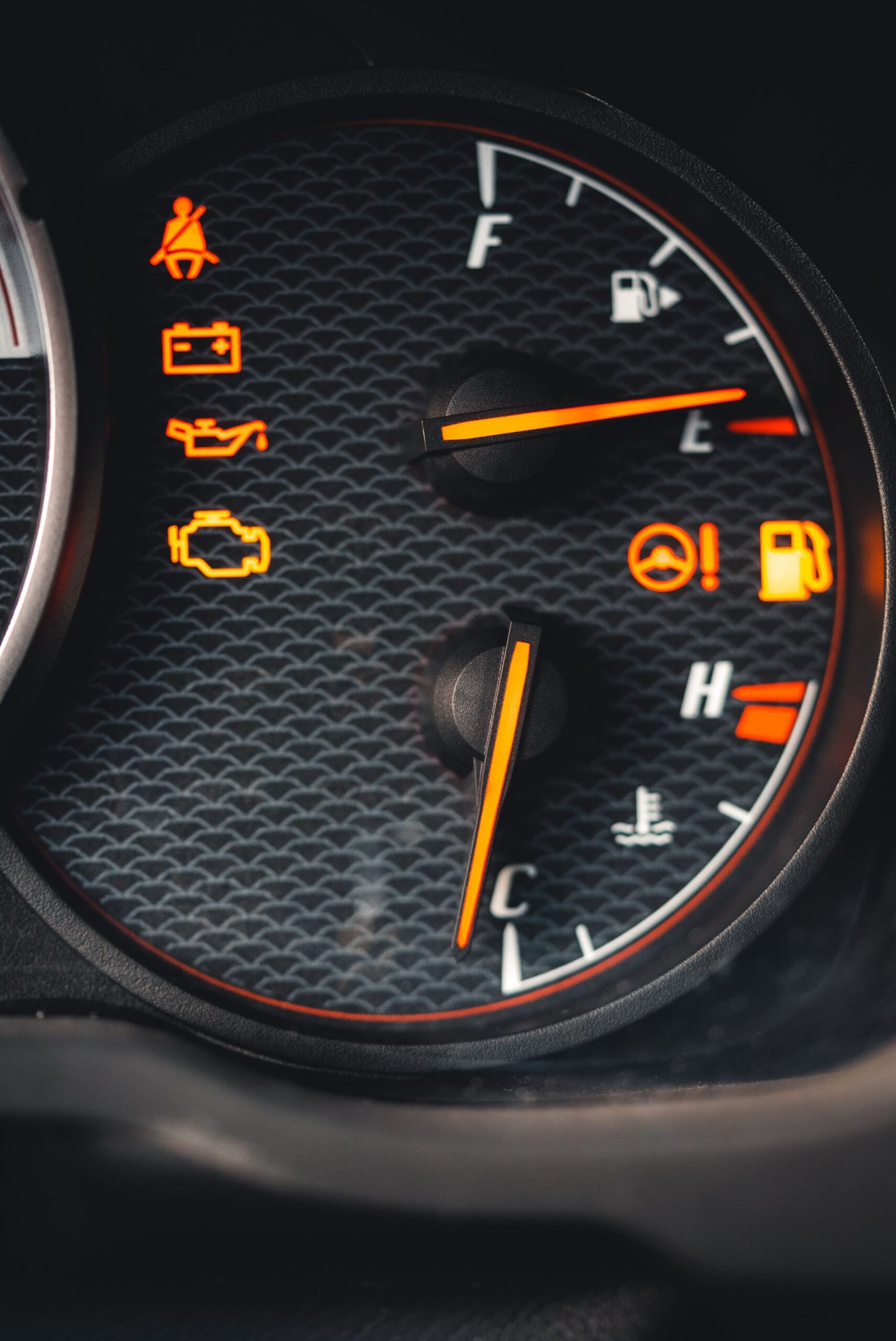
Modern cars use dashboard warning lights to tell drivers when something needs attention. Some warning lights are simply reminders, while others can indicate serious problems that should not be ignored.
Understanding dashboard warning lights can help you react quickly, prevent expensive repairs, and keep your vehicle safer. Unfortunately, many drivers continue driving without knowing what a warning symbol actually means.
In this guide, we explain the most common car dashboard warning lights, what they mean, and what you should do when they appear.
Why Dashboard Warning Lights Matter
Your car’s dashboard is constantly monitoring important systems such as the engine, brakes, battery, oil pressure, airbags, and cooling system.
When the vehicle detects a problem, it may display a warning light.
Generally, dashboard warning lights can be understood by their color:
- Green or blue: Usually indicates that a system is operating or has been activated.
- Yellow or amber: Usually means the vehicle needs attention or inspection.
- Red: Often indicates a potentially serious problem that may require immediate action.
However, the exact meaning can vary between manufacturers and models. Always check your vehicle’s owner’s manual when you are unsure.
1. Check Engine Light
The check engine light is one of the most recognizable dashboard warning lights.
It may appear because of many different issues, including:
- Faulty oxygen sensor
- Loose or damaged fuel cap
- Ignition problems
- Sensor failure
- Emissions system problems
- Engine misfires
- Fuel system issues
If the light stays on continuously, the vehicle should be diagnosed when possible.
If the check engine light is flashing, the problem may be more serious. A flashing light can indicate a condition such as an active misfire that could damage the engine or catalytic converter.
Avoid hard acceleration and have the vehicle checked promptly.
2. Oil Pressure Warning Light
The oil pressure warning light is usually shown as an oil can symbol.
This warning should never be ignored.
It can indicate:
- Low engine oil level
- Low oil pressure
- Oil pump problems
- Oil leakage
- Engine lubrication problems
If this warning appears while driving, safely pull over and switch off the engine as soon as practical.
Continuing to run an engine with insufficient oil pressure can cause severe internal engine damage.
3. Battery Warning Light
The battery-shaped warning light does not necessarily mean the battery itself is bad.
It often indicates a problem with the vehicle’s charging system.
Possible causes include:
- Weak or failing battery
- Faulty alternator
- Damaged serpentine belt
- Loose battery connection
- Charging-system wiring problems
If the battery warning light remains illuminated while the engine is running, the vehicle may eventually lose electrical power.
Have the charging system checked as soon as possible.
4. Engine Temperature Warning Light
This warning light indicates that the engine temperature may be too high.
Possible causes include:
- Low coolant
- Cooling system leak
- Faulty thermostat
- Radiator problems
- Cooling fan failure
- Water pump problems
An overheating engine can suffer expensive damage.
If the temperature warning light appears, stop somewhere safe and allow the engine to cool. Do not immediately open a hot coolant reservoir or radiator cap because pressurized coolant can cause serious burns.
5. Brake Warning Light
A red brake warning light can indicate several things.
Possible causes include:
- Parking brake is engaged
- Low brake fluid
- Brake system problem
- Hydraulic system issue
First, make sure the parking brake is completely released.
If the warning remains on, the braking system should be inspected.
Do not continue driving normally if the brakes feel weak, the pedal feels unusually soft, or stopping performance has changed.
6. ABS Warning Light
ABS stands for Anti-lock Braking System.
When the ABS warning light comes on, it may indicate a problem with the anti-lock braking system.
The normal brakes may still work in some situations, but the ABS function may not operate correctly.
Possible causes include:
- Faulty wheel-speed sensor
- ABS module problem
- Wiring issue
- Low system voltage
- ABS component failure
Have the system diagnosed instead of simply ignoring the light.
7. Tire Pressure Warning Light
The tire-pressure monitoring system can warn you when one or more tires have insufficient pressure.
Low tire pressure can cause:
- Poor handling
- Increased fuel consumption
- Uneven tire wear
- Reduced tire life
- Increased risk of tire damage
Check the pressure of all tires using a reliable pressure gauge and inflate them according to the vehicle manufacturer’s recommended pressure.
Do not simply rely on how the tire looks.
8. Airbag Warning Light
The airbag warning light indicates that the vehicle has detected a potential problem with the airbag or supplemental restraint system.
Possible causes include:
- Airbag sensor problem
- Seat wiring issue
- Faulty airbag component
- Seat-belt pretensioner problem
- Electrical fault
This warning should be taken seriously because airbags are an important part of the vehicle’s safety system.
Have the system professionally diagnosed.
9. Seat Belt Warning Light
This warning is usually a reminder that a seat belt is not fastened.
Depending on the vehicle, the warning may also be accompanied by an audible alert.
Always fasten your seat belt before driving, and make sure passengers do the same.
Never use a seat-belt warning bypass or buckle device simply to silence the warning.
10. Traction Control Warning Light
The traction-control symbol can appear when the system is actively helping maintain traction.
For example, it may flash briefly when your tires lose grip on a slippery surface.
If the light stays on continuously, it may indicate that the system has been turned off or that there is a fault.
Check your vehicle’s manual to understand the specific symbol used by your manufacturer.
11. Electronic Stability Control Warning Light
Electronic stability control helps the vehicle maintain stability during certain driving situations.
A flashing stability-control light can mean the system is actively working.
A light that stays on may indicate:
- The system has been disabled
- A sensor problem
- Steering-angle sensor issue
- Wheel-speed sensor fault
- Electronic control problem
If the warning remains illuminated, have the system inspected.
12. Power Steering Warning Light
Modern vehicles may use an electric power-steering system.
A power-steering warning light can indicate a problem with the steering-assistance system.
You may notice:
- Heavy steering
- Difficulty turning
- Steering-wheel warning
- Reduced steering assistance
If steering suddenly becomes difficult, slow down carefully and move to a safe location.
Because steering is critical for vehicle control, do not ignore a persistent warning.
13. Low Fuel Warning Light
The low-fuel warning light is usually not a mechanical fault.
It simply indicates that the fuel level has become low.
However, repeatedly driving until the fuel tank is nearly empty is not a good habit.
Refuel as soon as reasonably possible, especially before a long journey or when driving in an unfamiliar area.
14. Washer Fluid Warning Light
Some vehicles have a warning light for low windshield washer fluid.
This is normally a simple maintenance reminder.
If the warning appears, refill the washer-fluid reservoir with a suitable product.
Keeping the windshield clean is particularly important during dusty, rainy, or muddy driving conditions.
15. Door or Trunk Open Warning
Many vehicles display a warning when a door, trunk, hood, or another access panel is not properly closed.
Do not ignore this warning.
Stop safely and check that all doors and the trunk are securely closed before continuing.
A door that is not properly secured can become a safety hazard.
What Should You Do When a Warning Light Appears?
The first step is to remain calm.
Do not immediately assume that every warning light means the engine is about to fail.
Instead:
Step 1: Identify the Symbol
Look at the dashboard and determine which warning light has appeared.
Step 2: Check the Color
A red warning generally deserves more immediate attention than a yellow warning, although the exact meaning depends on the vehicle.
Step 3: Check How the Car Feels
Pay attention to changes such as:
- Strange noises
- Smoke
- Overheating
- Weak brakes
- Heavy steering
- Loss of engine power
- Burning smell
- Fluid leaks
Step 4: Check the Owner’s Manual
The owner’s manual provides the exact meaning of the warning symbol for your specific vehicle.
Step 5: Get the Problem Diagnosed
If the warning remains active, arrange an inspection rather than simply resetting the light.
Can You Keep Driving With a Warning Light On?
It depends on the warning.
Some warnings are reminders and may not require immediate stopping. Others can indicate serious mechanical or safety problems.
For example, an oil-pressure, overheating, or serious brake warning deserves immediate attention.
A persistent warning should never be ignored simply because the car appears to be driving normally.
Why You Should Not Simply Reset Warning Lights
Some drivers disconnect the battery or use a diagnostic scanner to clear warning lights without fixing the underlying problem.
This may temporarily remove the warning, but it does not repair the vehicle.
The light can return once the vehicle detects the same problem again.
Proper diagnosis is much better than repeatedly clearing warning codes.
Final Thoughts
Dashboard warning lights are your car’s way of communicating with you.
Learning what common warning symbols mean can help you identify problems earlier, avoid unnecessary damage, and make better decisions when something goes wrong.
The most important rule is simple: never ignore a serious warning light just because the vehicle still seems to drive normally.
When in doubt, safely stop, consult your owner’s manual, and have the vehicle inspected by a qualified technician.