
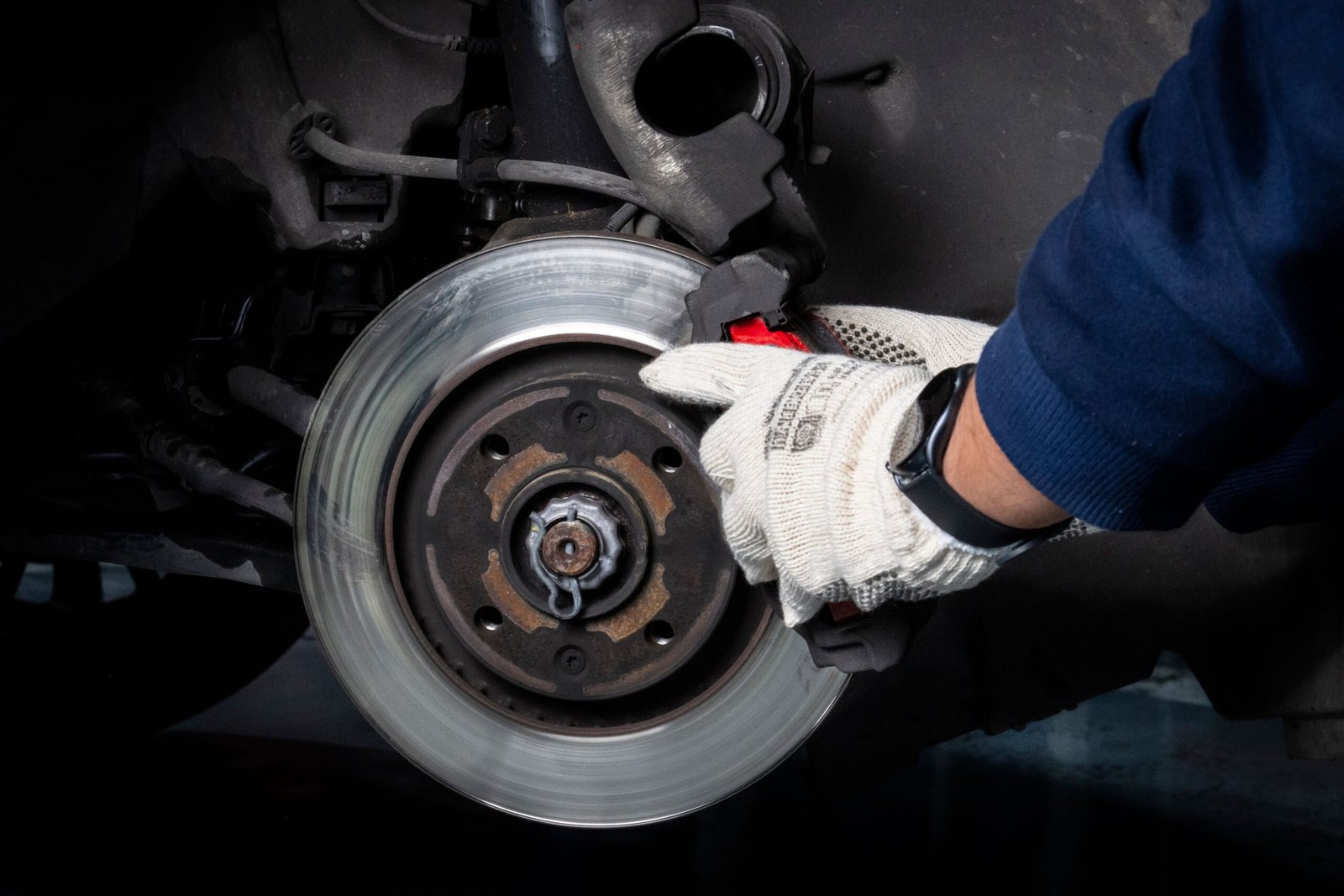
Your car’s braking system is one of its most important safety features. Whether you drive in heavy city traffic, on highways, or on steep roads, properly working brakes are essential for keeping you and other road users safe.
Many drivers only think about their brakes when they hear a strange noise or notice that the car is taking longer to stop. However, regular brake inspections and basic maintenance can help identify problems before they become expensive or dangerous.
In this complete guide, we’ll explain how car brakes work, the most common warning signs of brake problems, when brake components need replacement, and how you can maintain your braking system properly.
Why Brake Maintenance Is Important
Brakes experience significant friction and heat every time you slow down or stop. Over time, brake pads, discs, drums, and other components can wear out.
Ignoring brake problems can lead to:
- Longer stopping distances
- Reduced braking performance
- Damage to expensive brake components
- Uneven braking
- Vehicle pulling to one side
- Increased risk of accidents
Regular maintenance doesn’t just improve safety. It can also save money because replacing a worn brake pad is usually much cheaper than repairing a damaged brake disc or other components.
How Does a Car Braking System Work?
Most modern vehicles use hydraulic braking systems. When you press the brake pedal, hydraulic pressure transfers the force to the brakes at the wheels.
Depending on the vehicle, the braking system may include:
- Brake pads
- Brake discs or rotors
- Brake calipers
- Brake fluid
- Brake lines
- Brake drums and shoes on some vehicles
- ABS components
When you press the pedal, the brake pads press against the rotating disc, creating friction that slows the vehicle.
Because these components work together, a problem with one part can affect the entire braking system.
Common Signs of Brake Problems
Knowing the warning signs can help you identify brake problems early.
1. Squeaking or Screeching Noise
A high-pitched squeaking sound when braking can indicate worn brake pads. Many brake pads have wear indicators designed to produce a noise when the pad becomes thin.
However, occasional noise can also be caused by dust, moisture, or environmental conditions.
If the noise happens regularly, it’s best to have the brakes inspected.
2. Grinding Noise
A grinding sound is more serious.
It can mean the brake pad material has worn away and metal is contacting the brake disc. Continuing to drive with grinding brakes can damage the rotor and significantly increase repair costs.
If you hear persistent grinding while braking, get the vehicle inspected as soon as possible.
3. Soft or Spongy Brake Pedal
The brake pedal should normally feel firm and predictable.
If the pedal feels soft, spongy, or sinks unusually far toward the floor, there could be a problem with the hydraulic braking system.
Possible causes include:
- Air in the brake lines
- Old or contaminated brake fluid
- A hydraulic leak
- A problem with the master cylinder
This type of problem should not be ignored.
4. Car Pulls to One Side
If your car moves toward the left or right when braking, several problems could be responsible.
Possible causes include:
- Uneven brake pad wear
- A sticking brake caliper
- Uneven braking pressure
- Suspension or alignment problems
A professional inspection can determine the exact cause.
5. Steering Wheel Vibrates While Braking
If your steering wheel shakes or vibrates when braking from higher speeds, the brake discs may have uneven surfaces or excessive runout.
Other suspension or wheel-related problems can sometimes create similar symptoms, so proper diagnosis is important.
6. Brake Warning Light
If the brake warning light appears on the dashboard, don’t simply ignore it.
Depending on the vehicle, the warning light may indicate:
- Low brake fluid
- Parking brake activation
- A braking system fault
- Another brake-related issue
Check your vehicle owner’s manual and have the system inspected if the warning remains on.
How Often Should You Check Your Brakes?
There isn’t one universal replacement interval for every vehicle because brake wear depends on driving conditions and driving habits.
You should consider checking your brakes during regular vehicle servicing and whenever you notice unusual symptoms.
Brake components may wear faster when you frequently drive:
- In heavy traffic
- On steep roads
- With heavy loads
- At high speeds
- In stop-and-go conditions
Drivers who regularly travel in mountainous areas may also experience faster brake wear.
Brake Pads: When Should They Be Replaced?
Brake pads gradually become thinner as you drive.
Some vehicles allow you to visually inspect the pads through the wheel, while others require wheel removal for a proper inspection.
Signs that brake pads may need attention include:
- Squealing noises
- Grinding sounds
- Reduced braking performance
- Thin brake pad material
- Brake warning indicators
- Uneven pad wear
Don’t wait until the brake pad is completely worn out. Replacing worn pads early can help protect the brake discs.
What About Brake Discs?
Brake discs, also called rotors, can last much longer than brake pads, but they don’t last forever.
They can develop:
- Deep grooves
- Uneven surfaces
- Cracks
- Excessive wear
- Heat-related damage
If a brake disc becomes too thin or damaged, it may need replacement.
In some cases, resurfacing may be possible, but this depends on the disc’s condition and the vehicle manufacturer’s specifications.
Check Your Brake Fluid
Brake fluid plays an important role in transferring pressure through the hydraulic braking system.
Brake fluid can absorb moisture over time, which may reduce its performance.
You should check the brake fluid level according to your vehicle manufacturer’s recommendations.
Never simply add random fluid. Use the brake fluid type specified for your vehicle.
If the brake fluid level repeatedly drops, there may be a leak or another problem that needs inspection.
Don’t Ignore Brake Fluid Leaks
A brake fluid leak can be dangerous because the hydraulic system depends on sufficient fluid pressure.
Signs of a possible leak may include:
- Low brake fluid level
- Soft brake pedal
- Fluid around brake components
- Reduced braking performance
If you suspect a brake fluid leak, avoid unnecessary driving and have the vehicle inspected immediately.
How to Make Your Brakes Last Longer
Good driving habits can significantly reduce unnecessary brake wear.
Avoid Aggressive Braking
Repeated hard braking generates excessive heat and wears brake components faster.
Maintain a safe following distance so you can slow down gradually when traffic changes.
Don’t Carry Unnecessary Weight
A heavier vehicle requires more energy to stop. Remove unnecessary heavy items from the trunk or vehicle when possible.
Use Engine Braking When Appropriate
When driving downhill, selecting an appropriate lower gear can help control vehicle speed and reduce continuous brake use.
However, engine braking should complement—not replace—the normal braking system.
Avoid Riding the Brake Pedal
Some drivers keep light pressure on the brake pedal while going downhill or during slow traffic.
This can create unnecessary heat and accelerate brake wear.
Use the brakes when necessary and release the pedal when it is safe to do so.
Brake Maintenance Checklist
Use this simple checklist to keep your braking system in good condition:
- Check brake pads regularly
- Inspect brake discs for damage
- Check brake fluid level
- Look for signs of fluid leaks
- Pay attention to unusual noises
- Don’t ignore dashboard warning lights
- Check for steering vibration during braking
- Watch for the vehicle pulling to one side
- Have brakes inspected during regular servicing
- Replace worn components promptly
When Should You Visit a Mechanic?
Some brake maintenance tasks can be checked visually, but brake repairs should generally be handled by a qualified technician.
Get professional help if you experience:
- Grinding brakes
- A very soft brake pedal
- Brake fluid leaks
- Major vibration
- Significant loss of braking power
- Brake warning lights
- Burning smells from the brakes
- Unusual behavior while stopping
Brakes are not an area where you should take unnecessary risks.
Final Thoughts
Your car’s braking system needs regular attention because it directly affects your safety. Brake pads, discs, fluid, calipers, and hydraulic components all work together to bring your vehicle to a controlled stop.
The best approach is to recognize warning signs early, follow the manufacturer’s maintenance recommendations, and repair worn or damaged components before they become serious problems.
Regular brake maintenance can improve braking performance, prevent expensive repairs, and give you greater confidence every time you drive.
Remember: good brakes aren’t just about stopping your car—they’re about keeping you safe.