
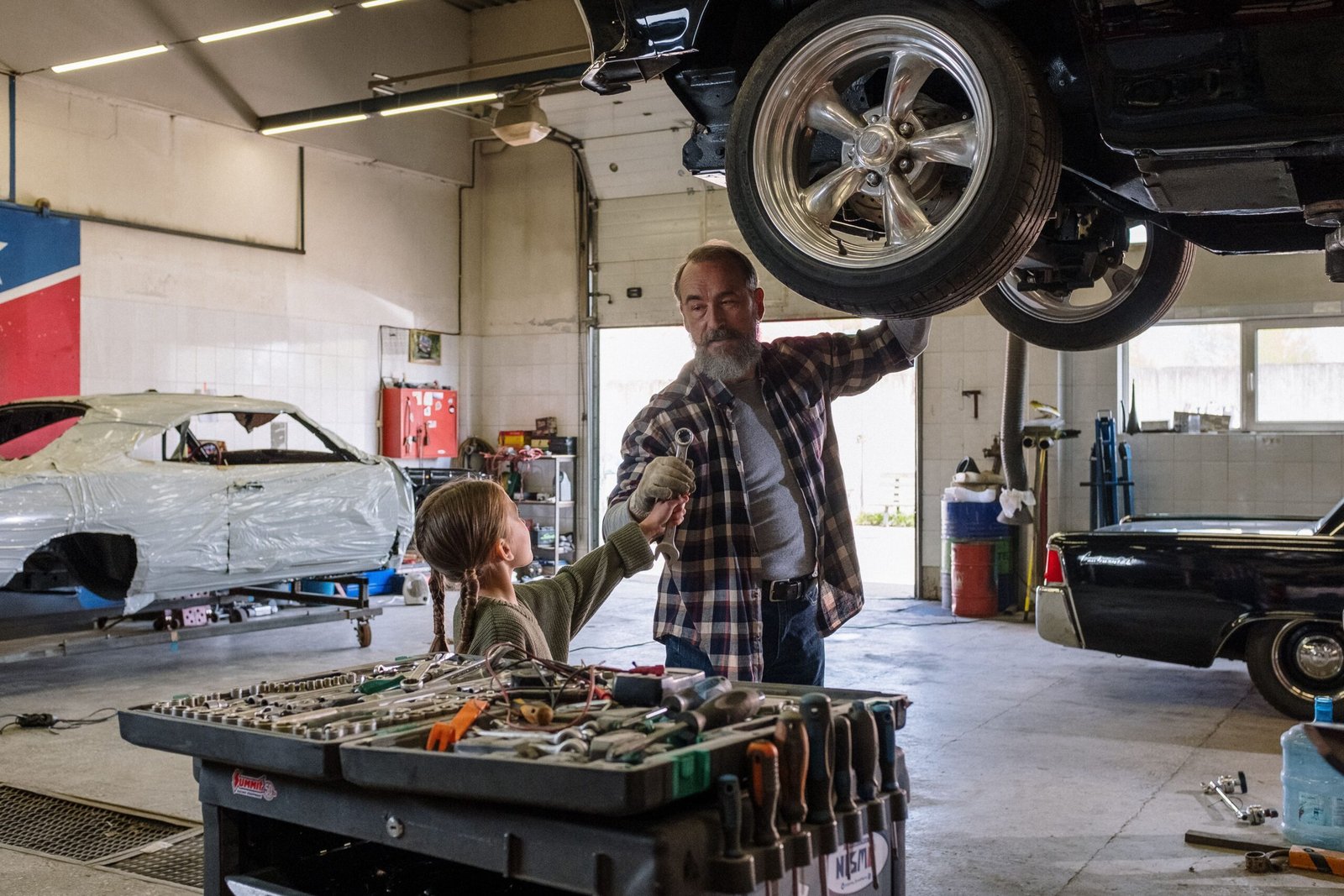
Regular car maintenance is one of the best ways to keep your vehicle safe, reliable, and efficient. Many drivers wait until a problem appears before taking their car to a mechanic, but preventive maintenance can help identify issues before they become expensive repairs.
A vehicle contains hundreds of components that work together every day. The engine, transmission, brakes, tires, suspension, electrical system, cooling system, and other parts all require attention at different times.
You do not need to be an expert mechanic to take better care of your car. Understanding the basic maintenance tasks and knowing when to seek professional help can make vehicle ownership much easier.
Why Regular Car Maintenance Matters
Regular maintenance helps your vehicle perform as it was designed to. It can also improve reliability and help you identify worn or damaged components before they create larger problems.
For example, replacing worn brake pads before they become severely damaged may prevent additional brake-system repairs. Similarly, checking tire pressure regularly can help reduce uneven tire wear and maintain proper handling.
Good maintenance may also help preserve the value of your vehicle. When it is eventually time to sell the car, a documented maintenance history can give potential buyers greater confidence.
1. Change Engine Oil Regularly
Engine oil is essential for protecting the engine’s internal components. It lubricates moving parts, helps reduce friction, and assists with heat management.
Oil becomes contaminated as the vehicle is driven, which is why it needs to be replaced according to the manufacturer’s recommended schedule.
Do not automatically follow a generic oil-change interval found online. Different vehicles have different requirements. Check your owner’s manual for the recommended oil type, specification, and service interval.
If the oil level repeatedly becomes low between services, have the vehicle checked for leaks or excessive oil consumption.
2. Take Care of Your Tires
Tires have a major effect on safety, handling, braking, and fuel economy.
Check tire pressure regularly when the tires are cold and maintain the pressure recommended by your vehicle manufacturer. Do not simply use the maximum pressure printed on the tire sidewall unless it matches the vehicle manufacturer’s specification.
Inspect the tread for uneven wear, cuts, cracks, bulges, or objects stuck in the tire.
If one tire repeatedly loses air, have it inspected rather than repeatedly adding air without finding the cause.
3. Inspect the Braking System
A properly functioning braking system is essential for safe driving.
Brake pads, rotors, drums, and other components naturally wear over time. The rate of wear depends on driving conditions, vehicle type, traffic, and driving habits.
Pay attention to squealing, grinding, vibrations, a soft brake pedal, or changes in stopping performance.
If the brakes suddenly feel different or the vehicle requires significantly more distance to stop, have the braking system inspected promptly.
4. Maintain the Cooling System
The cooling system protects the engine from excessive heat.
Coolant circulates through the engine and transfers heat away from important components. A low coolant level, damaged hose, faulty thermostat, radiator problem, cooling-fan failure, or water-pump issue can contribute to overheating.
Check the coolant level according to the manufacturer’s instructions and only inspect or open the system when the engine is cool.
If the temperature gauge rises above its normal range, stop safely and allow the vehicle to cool. Continuing to drive an overheating car can cause serious engine damage.
5. Check the Battery and Charging System
Your battery provides the electrical power needed to start the engine and operate various systems.
Look for visible corrosion, damage, or loose connections. If the engine begins cranking more slowly than usual, the battery may be losing its ability to hold or provide sufficient charge.
However, do not automatically assume that a weak battery is the only problem. The alternator and charging system may also need testing.
If your vehicle repeatedly needs a jump-start, have the battery and charging system professionally inspected.
6. Replace Air and Cabin Filters
Vehicles use different filters to protect the engine and passengers.
The engine air filter helps prevent dirt and debris from entering the engine’s air intake. The cabin air filter helps clean the air entering the passenger compartment.
A clogged cabin filter may reduce airflow from the air-conditioning system, while a heavily restricted engine air filter can affect engine operation.
Replacement intervals vary by vehicle and driving conditions, so follow the manufacturer’s maintenance recommendations.
7. Pay Attention to Warning Lights
Modern cars use dashboard warning lights to alert drivers about potential problems.
Some warning lights may indicate a minor issue, while others can signal a serious problem requiring immediate attention.
Never ignore a warning light simply because the vehicle still appears to be driving normally.
Check your owner’s manual to understand what each warning light means. If a critical warning appears, safely stop the vehicle and seek professional assistance when appropriate.
8. Check Important Fluids
Besides engine oil and coolant, many vehicles use other important fluids.
Depending on the vehicle, these can include brake fluid, transmission fluid, power-steering fluid, and windshield washer fluid.
Fluid levels should be checked according to the manufacturer’s instructions. If a fluid level repeatedly drops, there may be a leak or another problem.
Never add an unknown or unsuitable fluid simply because it appears similar. Always use the type specified for your vehicle.
9. Look After the Suspension
The suspension system helps your vehicle remain stable and comfortable while driving.
Worn suspension components can affect handling, tire wear, and ride quality.
Signs of possible suspension problems include excessive bouncing, unusual knocking sounds over bumps, uneven tire wear, or changes in how the vehicle handles corners.
If your vehicle feels unstable or different from normal, have the suspension and steering systems inspected.
10. Keep Your Car Clean
Keeping a vehicle clean is not only about appearance.
Dirt, mud, road salt, moisture, and other contaminants can contribute to corrosion and damage over time. Regularly washing the exterior can help remove these materials.
The interior should also be cleaned regularly. Remove unnecessary items and avoid allowing moisture to remain inside the vehicle.
Whenever possible, parking in a covered or shaded location can also reduce exposure to harsh weather and sunlight.
11. Drive Responsibly
Your driving habits can have a significant effect on vehicle wear.
Hard acceleration, sudden braking, aggressive cornering, and hitting potholes at high speed can place additional stress on tires, suspension, brakes, drivetrain components, and other systems.
Smooth acceleration and gradual braking are generally better for the vehicle and can also help improve fuel efficiency.
Responsible driving is one of the simplest forms of preventive maintenance.
12. Listen for Unusual Sounds
Your vehicle can sometimes warn you about a problem through sound.
New knocking, squealing, grinding, clicking, or rattling noises should not automatically be considered normal.
Try to notice when the noise occurs. Does it happen during acceleration, braking, turning, starting, or driving over bumps?
This information can help a mechanic diagnose the problem more efficiently.
13. Check for Fluid Leaks
Look underneath your vehicle occasionally for signs of fresh fluid.
A new or significant leak should be investigated because it may indicate a problem with the engine, transmission, cooling system, brakes, or another component.
Do not ignore a growing puddle or repeated fluid loss simply because the vehicle continues to run.
14. Follow the Manufacturer’s Service Schedule
One of the most important maintenance habits is following the service schedule designed for your specific vehicle.
The schedule may include inspections, oil changes, filter replacements, tire rotations, fluid services, and other maintenance tasks.
Maintenance requirements vary significantly between vehicles, so the owner’s manual is a better reference than a generic schedule.
Keep receipts and service records whenever possible. A detailed maintenance history can be valuable when diagnosing future problems and when selling the vehicle.
15. Get Professional Inspections
Some maintenance tasks are simple enough for owners, but certain problems require professional equipment and experience.
If you notice an unfamiliar warning light, major leak, unusual engine noise, overheating, braking problems, or serious steering issues, seek professional assistance.
A qualified mechanic can inspect components that are difficult to evaluate during a basic home check.
Professional inspections are particularly useful before long road trips or when purchasing a used vehicle.
How Often Should You Maintain Your Car?
There is no single maintenance schedule that works for every vehicle.
Some checks, such as tire pressure and dashboard warning lights, should be performed regularly. Other services may be required after a certain number of miles or months.
Your vehicle’s owner’s manual should be your primary source for maintenance intervals.
Driving conditions can also affect maintenance requirements. Frequent short trips, heavy traffic, extreme temperatures, dusty roads, towing, and other demanding conditions may require additional attention.
Common Car Maintenance Mistakes
One common mistake is waiting until something breaks before servicing the vehicle.
Another is using incorrect fluids, cheap or unsuitable replacement parts, or ignoring warning lights.
Some drivers also forget about less obvious items such as cabin filters, spare tires, wiper blades, and battery condition.
Preventive maintenance is generally easier than dealing with a major breakdown after a component has completely failed.
Final Thoughts
Taking care of a car does not have to be complicated. The most important thing is consistency.
Check your tires, engine oil, fluids, brakes, battery, cooling system, filters, and dashboard warning lights regularly. Follow the manufacturer’s maintenance schedule and pay attention to unusual sounds, smells, leaks, and changes in vehicle performance.
When a problem appears, deal with it early rather than waiting for it to become worse.
A properly maintained vehicle can provide safer, more reliable transportation and may help reduce unexpected repair costs. Whether you own a new car or an older vehicle, regular maintenance is one of the smartest investments you can make in your vehicle’s long-term condition.