
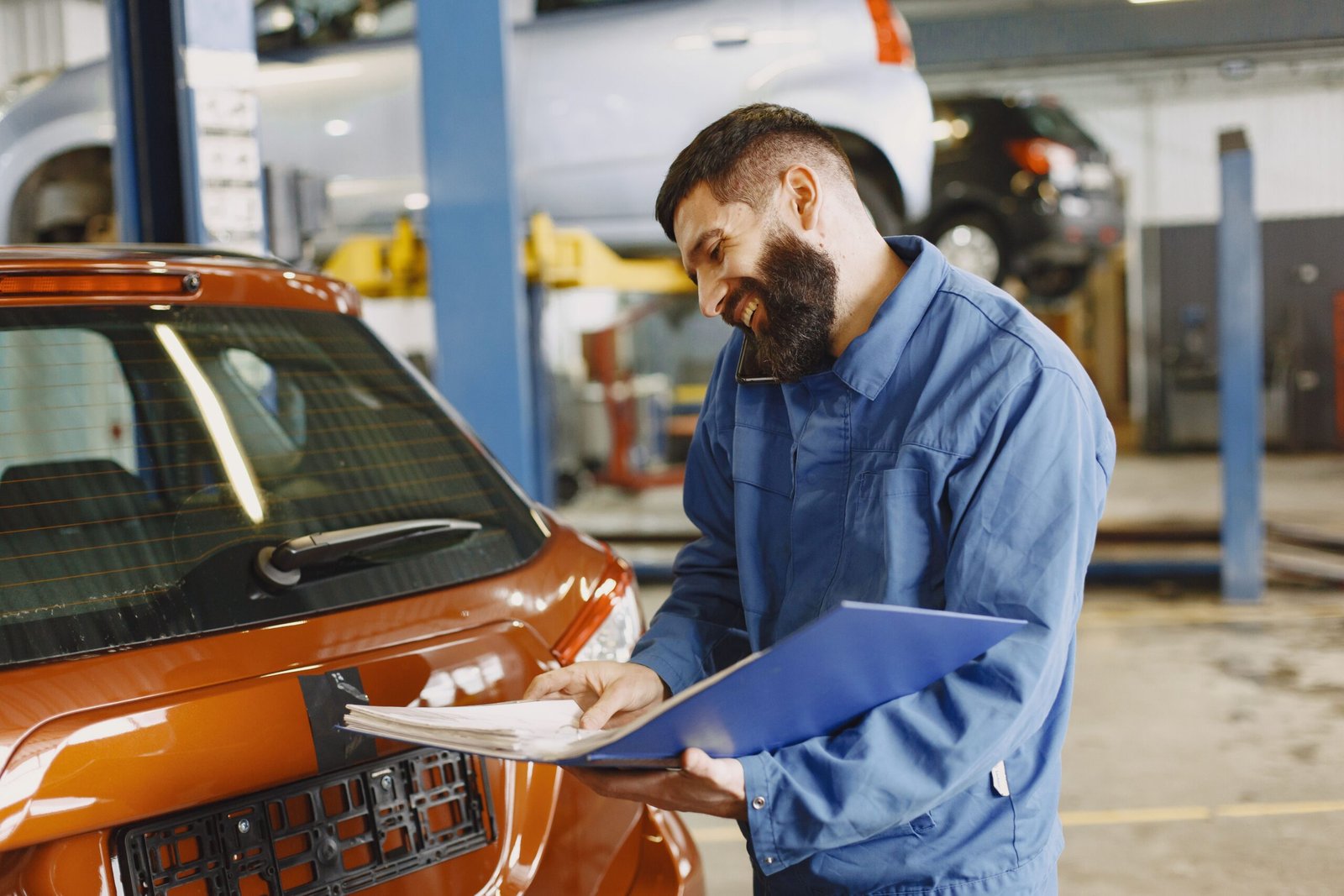
Takin care of your car does not always require expensive repairs or a professional mechanic. Regularly checking a few important parts of your vehicle can help prevent breakdowns, improve performance, and potentially save you money in the long run.
Many drivers only take their car to a workshop when something goes wrong. However, preventive maintenance is usually much easier and less expensive than repairing a major problem after it happens.
Here are seven important car maintenance checks that every driver should perform regularly.
1. Check the Engine Oil
Engine oil is one of the most important fluids in your vehicle. It lubricates the engine’s moving parts and helps reduce friction and heat.
A low or badly degraded oil level can contribute to increased engine wear. Check the oil according to your vehicle manufacturer’s instructions and use the recommended oil grade.
If the oil level is consistently dropping between services, there may be a leak or another mechanical issue that needs attention.
2. Check Your Tire Pressure
Your tires are the only part of your car that directly contacts the road, so keeping them in good condition is extremely important.
Incorrect tire pressure can affect handling, braking, tire wear, and fuel economy. Check the pressure regularly when the tires are cold and follow the pressure recommended by your vehicle manufacturer.
Do not rely only on how the tire looks. A tire can lose air without appearing obviously flat.
Also inspect the tread for uneven wear, cracks, bulges, or objects stuck in the tire.
3. Inspect the Brakes
Brakes are one of the most important safety systems in your car. Brake pads and other components naturally wear down over time.
Pay attention to warning signs such as squealing or grinding noises, vibrations while braking, a soft brake pedal, or increased stopping distance.
If you notice a major change in braking performance, have the vehicle inspected as soon as possible rather than continuing to drive normally.
4. Check the Coolant
The engine produces a significant amount of heat while running. The cooling system helps keep the engine operating within its normal temperature range.
Check the coolant reservoir when the engine is completely cool. The level should normally remain between the appropriate markings.
Never open a hot radiator or cooling system because pressurized coolant can cause serious burns.
If your car repeatedly loses coolant or the temperature gauge rises above normal, have the cooling system checked.
5. Inspect the Battery
A weak battery can cause starting problems and electrical issues. Check that the battery connections are secure and look for visible corrosion around the terminals.
If the engine is becoming difficult to start, especially in the morning, the battery may need testing.
Modern vehicles also depend on a healthy charging system, so a mechanic can check both the battery and alternator if you experience repeated starting problems.
6. Replace Filters When Required
Cars use different filters to keep air, oil, and the passenger compartment clean. Common examples include the engine air filter, oil filter, and cabin air filter.
A dirty engine air filter can restrict airflow, while a clogged cabin filter may reduce airflow from the air-conditioning system.
Instead of replacing filters randomly, follow the maintenance schedule recommended for your specific vehicle.
7. Listen for Unusual Sounds
Your car can often give you an early warning before a serious problem develops.
Pay attention to new sounds such as knocking, squealing, grinding, clicking, or unusual vibrations. Also look underneath the vehicle for signs of fluid leaks.
A small problem can sometimes be much easier and cheaper to fix when detected early.
How Often Should You Check Your Car?
Some checks should be performed more frequently than others. You can quickly check your tires, dashboard warning lights, and fluid levels regularly, while more detailed inspections can be included during scheduled servicing.
Your vehicle’s owner’s manual should always be the first reference for maintenance intervals because requirements vary between makes and models.
Final Thoughts
Regular car maintenance is one of the simplest ways to keep your vehicle reliable and safe. Checking engine oil, tire pressure, brakes, coolant, battery, filters, and unusual noises can help you identify potential problems before they become expensive repairs.
You do not need to be a professional mechanic to perform basic checks. However, if you discover a serious problem or are unsure about a repair, it is better to have the vehicle inspected by a qualified professional.