
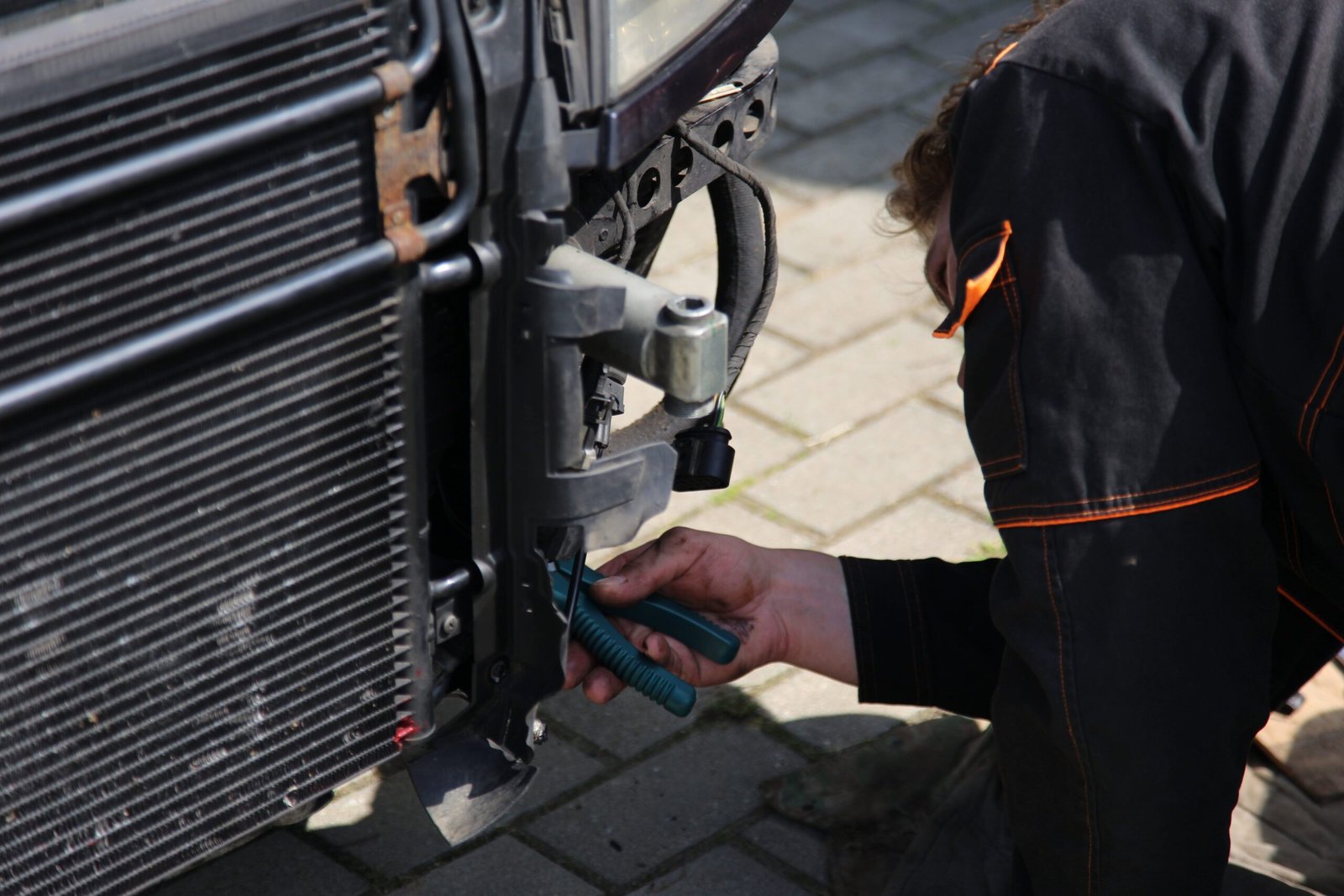
The radiator is one of the most important components of your car’s cooling system. Its main job is to remove excess heat from the engine and help maintain a safe operating temperature.
When the radiator or another part of the cooling system develops a problem, your engine can overheat. Driving an overheating vehicle can cause expensive damage, including head gasket failure, warped components, or even complete engine failure.
Fortunately, many radiator problems provide warning signs before they become serious.
In this guide, we explain 15 common car radiator problems, their symptoms, possible causes, and practical maintenance tips to help keep your engine running at the correct temperature.
What Does a Car Radiator Do?
During normal operation, an engine produces a large amount of heat. Coolant absorbs some of this heat and travels through the cooling system to the radiator.
Air passing through the radiator helps remove heat from the coolant. The cooled coolant then returns to the engine and the process continues.
The cooling system typically includes:
- Radiator
- Coolant
- Water pump
- Thermostat
- Radiator fan
- Hoses
- Expansion or coolant reservoir
- Radiator cap
- Temperature sensors
A problem with any of these components can contribute to overheating.
1. Engine Overheating
The most obvious sign of a cooling-system problem is an engine temperature that becomes too high.
You may notice:
- Temperature gauge moving toward the red zone
- Temperature warning light
- Steam from under the hood
- Reduced engine performance
- Coolant smell
Never ignore an overheating engine. Continuing to drive can turn a relatively simple cooling-system problem into major engine damage.
2. Coolant Leak
A coolant leak is one of the most common causes of overheating.
Coolant may leak from:
- Radiator
- Radiator hoses
- Water pump
- Thermostat housing
- Reservoir
- Radiator cap
- Engine gaskets
You may notice a puddle underneath the vehicle or a drop in the coolant reservoir level.
Do not rely only on the color of the liquid to identify coolant because coolant colors vary between products.
3. Low Coolant Level
A low coolant level reduces the cooling system’s ability to remove heat from the engine.
Low coolant can result from:
- External leaks
- Internal leaks
- Evaporation or loss over time
- Poor previous servicing
- Damaged hoses
Check the coolant level only when the engine is cool and follow your vehicle’s instructions.
Never open a hot radiator cap because pressurized coolant can cause severe burns.
4. Damaged Radiator Hoses
Radiator hoses carry coolant between the engine and radiator.
Over time, hoses can become:
- Cracked
- Swollen
- Soft
- Brittle
- Leaking
Inspect hoses during routine maintenance. If a hose looks damaged, replace it before it fails completely.
A burst coolant hose can cause rapid coolant loss and immediate overheating.
5. Radiator Fan Not Working
The radiator fan helps move air through the radiator, especially when the vehicle is stationary or moving slowly.
If the fan does not operate correctly, engine temperature may rise during:
- Traffic jams
- Idling
- Slow city driving
- Hot weather
Possible causes include:
- Failed fan motor
- Fuse problem
- Relay problem
- Wiring fault
- Temperature sensor issue
- Control-module problem
If your car overheats mainly while sitting in traffic but performs normally at highway speeds, the radiator fan system should be inspected.
6. Clogged Radiator
A radiator can become restricted internally or externally.
Internal deposits may reduce coolant flow, while dirt, leaves, insects, or other debris can restrict airflow through the radiator fins.
A clogged radiator may cause:
- Poor cooling
- Rising engine temperature
- Uneven radiator temperature
- Reduced coolant flow
Cleaning or repair should be performed according to the condition and design of the radiator.
7. Dirty Radiator Fins
The radiator depends on airflow through its fins to release heat.
If the fins become packed with dirt or debris, airflow can be reduced.
During inspection, look for:
- Leaves
- Mud
- Dust
- Insects
- Bent fins
- Excessive corrosion
The radiator should be cleaned carefully to avoid damaging the delicate fins.
8. Faulty Thermostat
The thermostat controls coolant flow according to engine temperature.
If the thermostat becomes stuck closed, coolant may not circulate through the radiator properly, potentially causing overheating.
If it becomes stuck open, the engine may take too long to reach its normal operating temperature.
A faulty thermostat can therefore cause either overheating or abnormal engine temperature behavior.
9. Water Pump Problems
The water pump circulates coolant through the engine and cooling system.
A failing water pump may cause:
- Overheating
- Coolant leaks
- Unusual noises
- Poor coolant circulation
- Coolant temperature fluctuations
Some water pumps are driven by a timing belt or chain, while others are driven by an external belt. Replacement procedures vary by vehicle.
10. Faulty Radiator Cap
The radiator cap is more important than it may appear.
It helps maintain the correct pressure inside the cooling system. A faulty cap may allow coolant to escape or prevent the system from maintaining proper pressure.
Possible symptoms include:
- Coolant loss
- Overflow from the reservoir
- Overheating
- Visible coolant around the cap
If the cap is damaged or the seal is deteriorated, it should be replaced with the correct specification.
11. Coolant Looks Dirty
Coolant should be maintained according to the manufacturer’s recommendations.
If coolant becomes heavily contaminated, rusty, or contains unusual particles, the cooling system may require inspection.
Contamination can be associated with:
- Corrosion
- Old coolant
- Incorrect coolant
- Internal component deterioration
- Mixing incompatible coolant types
Do not mix coolant types simply because they have similar colors. Always follow the vehicle manufacturer’s specifications.
12. Steam Coming From the Engine Bay
Steam from under the hood is a serious warning sign.
It can occur when coolant reaches extremely hot components and turns into vapor.
If you see steam:
- Safely pull over.
- Turn off the engine.
- Keep away from hot coolant.
- Allow the vehicle to cool.
- Do not open the radiator cap while hot.
- Have the cooling system inspected.
Never pour cold water over a very hot engine unless specifically instructed by the manufacturer or a qualified professional.
13. Temperature Gauge Keeps Fluctuating
A temperature gauge that repeatedly moves up and down more than expected can indicate a cooling-system problem.
Possible causes include:
- Low coolant
- Air trapped in the cooling system
- Faulty thermostat
- Temperature sensor problems
- Cooling fan issues
- Poor coolant circulation
Normal gauge behavior varies by vehicle, so sudden or unusual changes should be investigated.
14. Heater Stops Producing Hot Air
Your car’s cabin heater uses engine coolant to produce heat.
If the heater suddenly blows cool air while the engine is running, possible causes include:
- Low coolant
- Air in the cooling system
- Thermostat problem
- Heater-core restriction
- Coolant circulation problem
If this happens together with an overheating engine, stop driving and inspect the cooling system.
15. Sweet Coolant Smell
A distinctive sweet smell inside or around the vehicle can sometimes indicate a coolant leak.
If the smell is especially noticeable:
- Under the hood
- Around the radiator
- Inside the cabin
- Near the exhaust area
the cooling system should be checked.
A sweet smell inside the cabin may sometimes be associated with a heater-core leak.
Common Causes of Radiator Problems
Radiator and cooling-system problems can develop for several reasons.
Age and Wear
Radiators, hoses, seals, and other components deteriorate over time.
Corrosion
Internal corrosion can reduce coolant flow and damage metal components.
Poor Coolant Maintenance
Old or incorrect coolant can contribute to corrosion and deposits.
Physical Damage
Road debris can damage radiator fins or create leaks.
Excessive Heat
Repeated overheating can accelerate damage to cooling-system components.
Poor Repairs
Incorrectly installed hoses, caps, or other components can create future problems.
How to Prevent Radiator Problems
Regular cooling-system maintenance can significantly reduce the risk of overheating.
Check Coolant Level Regularly
Check the reservoir when the engine is cool and keep the level within the recommended range.
If the level repeatedly drops, find the cause instead of simply adding more coolant.
Use the Correct Coolant
Different vehicles require different coolant specifications.
Always use the type recommended by the manufacturer.
Inspect Hoses
Look for cracks, swelling, soft areas, and leaks.
Keep the Radiator Clean
Remove external debris carefully so air can flow through the radiator.
Follow the Service Schedule
Coolant replacement intervals vary by vehicle. Follow the manufacturer’s maintenance recommendations.
Watch the Temperature Gauge
Learn what normal operating temperature looks like for your vehicle.
If the gauge suddenly behaves differently, investigate the cause.
What Should You Do If Your Car Overheats?
If your vehicle starts overheating while driving, do not continue driving normally.
Follow these basic steps:
- Reduce engine load.
- Turn off the air conditioner if appropriate.
- Pull over somewhere safe.
- Switch off the engine.
- Allow the vehicle to cool.
- Do not open the radiator cap while the system is hot.
- Once safely cooled, inspect for obvious coolant leaks.
- Get professional assistance if the cause is unclear.
Driving an overheating engine can cause serious and expensive damage.
Can You Drive With a Radiator Leak?
A radiator leak should not be ignored.
A very small leak may appear manageable, but coolant loss can suddenly increase. Once the coolant level becomes too low, the engine can overheat quickly.
If the temperature gauge rises above normal, stop driving rather than trying to reach your destination.
Radiator Maintenance Checklist
Use this simple checklist as part of your regular car-care routine:
- Check coolant level
- Inspect radiator hoses
- Look for coolant leaks
- Inspect radiator fins
- Check the cooling fan
- Follow coolant replacement intervals
- Monitor engine temperature
- Watch for steam
- Pay attention to unusual coolant smells
- Never open a hot radiator cap
Final Thoughts
The radiator plays a critical role in keeping your engine at a safe operating temperature. Problems such as coolant leaks, clogged fins, damaged hoses, faulty fans, thermostat failures, and water-pump issues can quickly lead to overheating.
The most important rule is simple: never ignore an overheating engine.
Regularly checking coolant levels, inspecting hoses, using the correct coolant, keeping the radiator clean, and responding quickly to warning signs can help prevent expensive repairs.
A few minutes of cooling-system maintenance can protect one of the most valuable parts of your vehicle—the engine.