
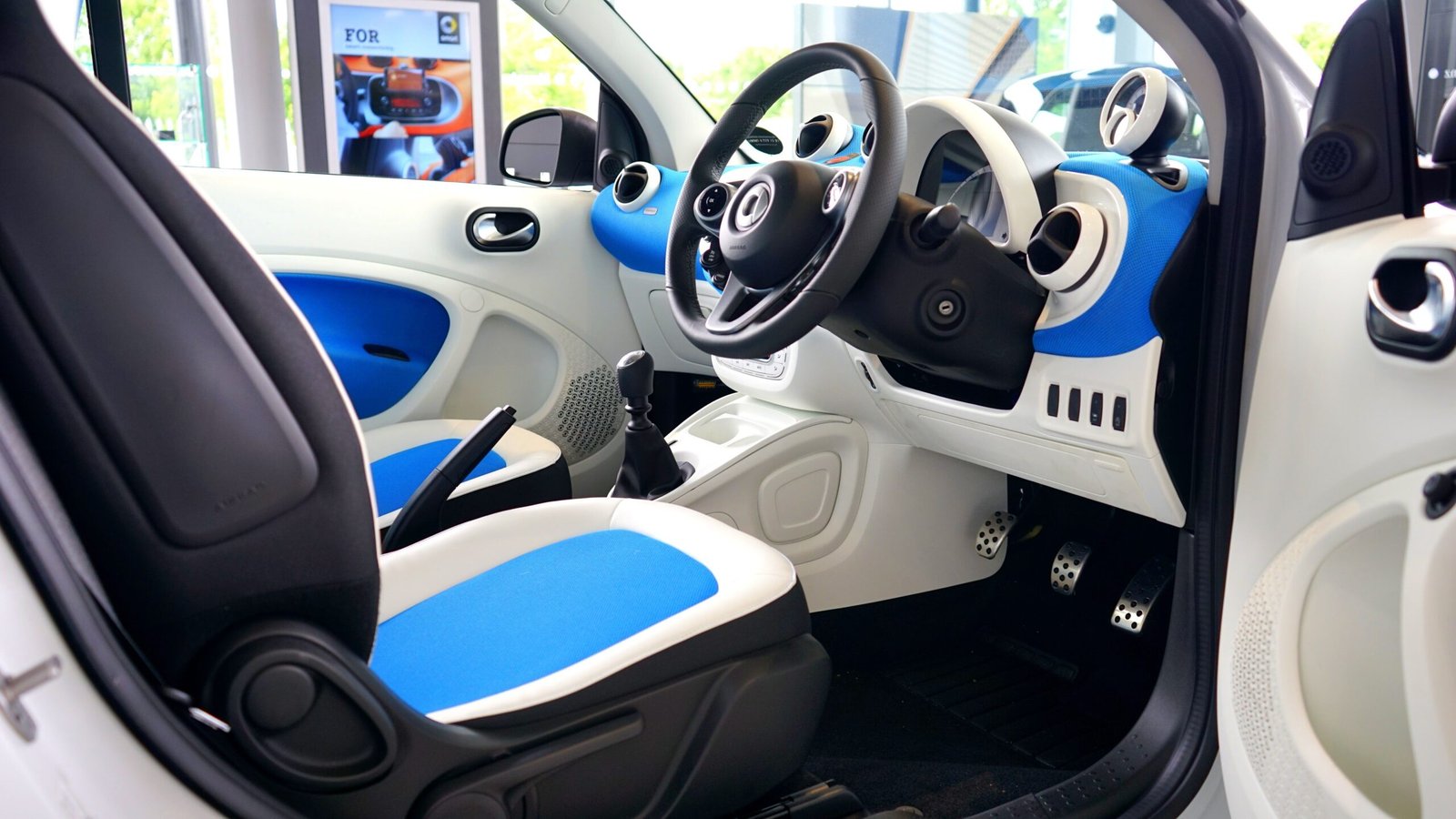
A clean and well-maintained car interior can make every journey more comfortable. It can also help preserve the vehicle’s appearance and value over time. Unfortunately, many drivers focus heavily on the engine, tires, and exterior while paying little attention to the cabin.
Dust, sunlight, food, moisture, spills, and everyday use can gradually make an interior look old and worn. Seats can become stained, dashboards can fade, carpets can develop unpleasant odors, and small amounts of dirt can eventually become difficult to remove.
The good news is that keeping your car interior in good condition does not require expensive detailing every week. A few simple habits and regular cleaning can make a major difference.
Here are 15 practical ways to keep your car interior clean, comfortable, and looking newer for longer.
1. Remove Trash Regularly
One of the easiest ways to keep your car clean is to avoid letting rubbish accumulate.
Empty bottles, food wrappers, receipts, tissues, and other waste can quickly make a cabin look messy.
Try to remove trash whenever you leave the vehicle rather than allowing it to build up.
A small waste container or reusable car trash bag can make this habit easier.
2. Vacuum the Interior Frequently
Dust, sand, dirt, and small particles naturally enter the vehicle through shoes, clothing, and open doors.
Regular vacuuming helps prevent this dirt from becoming embedded in carpets and upholstery.
Pay attention to areas that are often forgotten, including:
- Under the seats
- Between seat cushions
- Floor mats
- Door pockets
- Around the pedals
- Trunk or cargo area
You do not necessarily need to vacuum every day. A thorough cleaning every few weeks can make a noticeable difference.
3. Clean the Dashboard Carefully
The dashboard collects dust quickly because it is exposed to sunlight and airflow.
Use a soft microfiber cloth to remove dust rather than using rough materials that could scratch delicate surfaces.
Avoid applying excessive amounts of cleaning product. Some surfaces can become greasy or slippery, which may attract more dust.
Always use products that are suitable for the specific material.
4. Protect the Interior From Direct Sunlight
Sunlight can gradually damage many interior materials.
Long-term exposure may contribute to:
- Faded dashboard surfaces
- Discolored seats
- Cracked plastics
- Deteriorated trim
- Faded steering wheels
Whenever possible, park in a shaded location or use a suitable windshield sunshade.
A sunshade is particularly useful when the vehicle will remain parked outside for several hours.
5. Clean Spills Immediately
A small drink spill may seem harmless, but allowing it to remain on upholstery can create a difficult stain or unpleasant smell.
Clean spills as soon as possible using a method appropriate for the material.
Different surfaces require different cleaning techniques, so avoid aggressively scrubbing leather, fabric, or sensitive trim with household chemicals.
The sooner you deal with a spill, the easier it usually is to clean.
6. Take Care of the Floor Mats
Floor mats receive some of the most dirt inside the vehicle.
Remove them periodically and clean them separately.
Rubber mats can generally be washed according to their manufacturer’s recommendations, while carpet mats may require vacuuming and appropriate fabric cleaning.
Allow wet mats to dry properly before placing them back inside the car.
Moisture trapped underneath mats can contribute to unpleasant odors and other problems.
7. Keep Food Under Control
Eating inside a car is convenient, but food creates several cleaning challenges.
Crumbs can fall into small gaps, while sugary drinks can leave sticky surfaces.
Food residue can also contribute to unpleasant odors if it remains hidden under seats.
If you regularly eat in your car, make cleaning a routine rather than waiting until the interior becomes heavily soiled.
8. Clean the Seats According to Their Material
Not all car seats should be cleaned in the same way.
Fabric seats, leather seats, synthetic leather, and other materials can have different care requirements.
Before using a cleaning product, check whether it is suitable for your seat material.
For leather or synthetic surfaces, excessive moisture or unsuitable chemicals can damage the finish.
Gentle cleaning followed by appropriate protection is generally better than aggressive scrubbing.
9. Don’t Use Too Much Dashboard Polish
A shiny dashboard may look attractive, but excessive polish is not necessarily better.
Some products can leave an oily surface that attracts dust and creates glare on the windshield.
In addition, slippery products should not be applied to surfaces where they could interfere with the driver’s control.
Use interior products according to their instructions and avoid treating every surface with the same chemical.
10. Keep the Windows Clean
Dirty interior glass can become particularly noticeable when sunlight shines directly through the windshield.
A clean windshield also helps visibility.
Use a suitable glass-cleaning method and a clean microfiber cloth to reduce streaks.
Pay special attention to the inside of the windshield because condensation, dust, and dashboard vapors can gradually create a film.
Clean windows are not just about appearance—they also contribute to safer driving.
11. Don’t Forget the Door Panels
Door panels are often overlooked during interior cleaning.
They can collect dust, fingerprints, mud, and marks from shoes or hands.
Wipe them regularly with a suitable microfiber cloth and cleaner.
Check the material before using any product because some door panels contain fabric, leather-like material, plastic, or textured surfaces.
12. Keep the Cabin Dry
Moisture is one of the biggest enemies of a clean car interior.
Wet shoes, leaking bottles, damp clothing, and water entering through damaged seals can introduce moisture into the cabin.
Persistent moisture may cause:
- Bad odors
- Mold or mildew growth
- Damp carpets
- Fogging
- Material deterioration
If you notice that the carpet remains wet after the weather has cleared, find the source rather than simply drying the surface.
13. Control Bad Odors at the Source
Air fresheners can make a car smell better temporarily, but they do not remove the actual cause of a bad smell.
Odors may come from:
- Food
- Spilled drinks
- Damp carpets
- Dirty floor mats
- Moisture
- Old trash
- Cabin air filter problems
Find and remove the source first.
Once the interior is clean and dry, an air freshener can be used if desired.
14. Clean the Steering Wheel and Controls
The steering wheel, gear selector, buttons, and door handles are touched frequently.
Because of constant contact with hands, these surfaces can accumulate oils, dirt, and grime.
Clean them carefully with a suitable product and microfiber cloth.
Avoid soaking electronic controls or allowing liquid to enter switches, buttons, or gaps.
15. Keep the Interior Organized
A clean interior can become messy again quickly if everything is left scattered around.
Use the vehicle’s storage compartments intelligently.
Keep frequently used items organized and remove unnecessary objects regularly.
Avoid storing heavy or loose objects where they could move around during sudden braking.
A tidy cabin is not only more attractive—it can also be safer.
How Often Should You Clean Your Car Interior?
There is no single schedule that works for every driver.
A vehicle used daily in dusty conditions may need more frequent cleaning than a car driven occasionally.
A simple routine could look like this:
Every few days: Remove trash and obvious dirt.
Every 1–2 weeks: Vacuum the cabin and wipe major surfaces.
Every month: Clean windows, mats, seats, door panels, and less-visible areas.
Every few months: Perform a deeper interior cleaning and inspect for moisture, stains, or damaged materials.
The important thing is consistency.
Small cleaning sessions are usually much easier than trying to restore a neglected interior all at once.
Mistakes to Avoid When Cleaning Your Car Interior
Some cleaning habits can accidentally damage the cabin.
Avoid using household chemicals without checking whether they are suitable for automotive materials.
Do not soak electrical controls.
Avoid extremely rough brushes on delicate surfaces.
Do not scrub leather aggressively.
Do not leave wet carpets inside the vehicle.
Avoid applying slippery products to the steering wheel, pedals, or other surfaces where grip is important.
When in doubt, follow the vehicle manufacturer’s recommendations.
Why Interior Care Matters for Resale Value
A clean interior can make a strong first impression when you eventually sell your car.
Potential buyers often notice the condition of the cabin immediately after opening the doors.
A vehicle with clean seats, clear windows, tidy carpets, and well-maintained trim can appear better cared for than an otherwise similar vehicle with a neglected interior.
Interior maintenance cannot guarantee a higher selling price, but it can help your vehicle make a better impression.
Final Thoughts
Keeping your car interior looking new is mostly about developing simple habits.
Remove trash regularly, vacuum the carpets, clean spills quickly, protect the cabin from excessive sunlight, keep the windows clean, and deal with moisture or odors before they become serious problems.
You do not need to spend a fortune on professional detailing to maintain a pleasant cabin. Regular attention and the right cleaning methods can keep your interior comfortable and attractive for years.
A clean interior also makes driving more enjoyable. When your cabin is organized, fresh, and well maintained, even an ordinary daily drive can feel much better.