
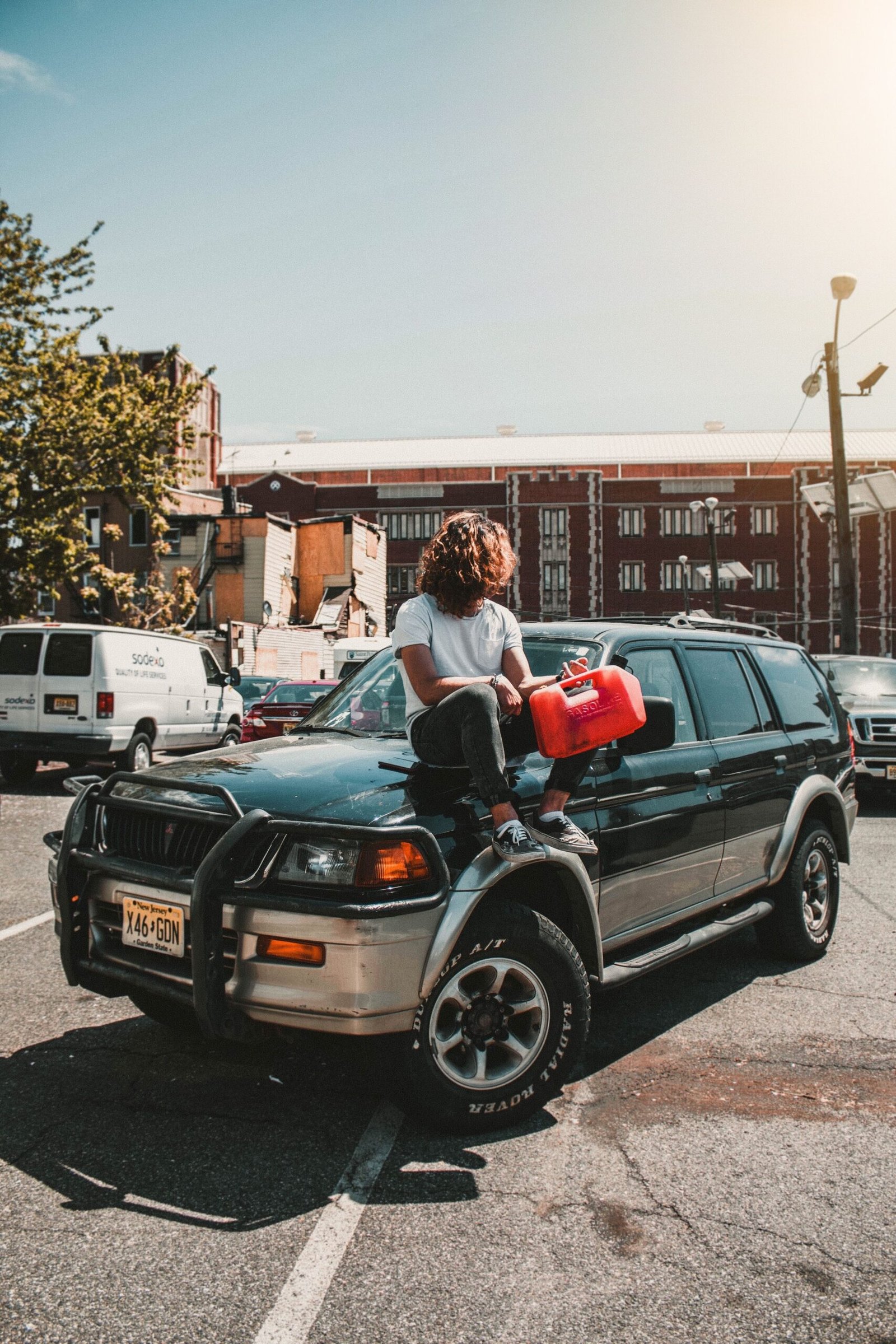
A long road trip can be an exciting experience, but your car may face much more stress during a long journey than it does during normal daily driving. Hours of continuous operation, heavy loads, rough roads, high temperatures, and poor driving habits can all increase wear on important vehicle components.
Many drivers prepare themselves for a road trip but forget to prepare their car properly. Some mistakes may only cause minor inconvenience, while others can result in expensive repairs or leave you stranded far from home.
The good news is that most road-trip-related problems are preventable.
Here are 15 common mistakes that can damage your car during a long journey and what you can do instead.
1. Starting a Long Trip Without an Inspection
One of the biggest mistakes is assuming that your car is ready simply because it has been running normally.
A vehicle can develop problems that are not obvious during short daily trips.
Before a long journey, inspect important areas such as:
- Tires
- Brakes
- Engine fluids
- Battery
- Lights
- Belts
- Wipers
- Spare tire
Finding a problem at home is much easier than discovering it hundreds of kilometers away.
2. Overloading the Vehicle
Packing too much luggage adds weight to the vehicle.
Excessive weight can place additional stress on:
- Suspension components
- Tires
- Brakes
- Engine
- Transmission
It can also increase fuel consumption and change the way the vehicle handles.
Check the manufacturer’s recommended weight limits and avoid carrying unnecessary items.
3. Ignoring Tire Condition
Tires are especially important during long journeys because they remain in contact with the road for many hours.
Before leaving, inspect them for:
- Uneven wear
- Cracks
- Bulges
- Punctures
- Low tread
- Incorrect pressure
Do not rely only on visual inspection. Check tire pressure when the tires are cold and follow the vehicle manufacturer’s recommended pressure.
4. Driving With an Underinflated Tire
An underinflated tire can generate additional heat and increase rolling resistance.
During a long highway journey, excessive heat can become a serious concern, especially if the tire is already damaged or heavily worn.
Low tire pressure can also reduce fuel efficiency and affect handling.
Check your tire pressure before starting the trip and during long journeys if recommended by the vehicle or tire manufacturer.
5. Ignoring Warning Lights
Some drivers see a warning light and decide to continue driving because the car still feels normal.
This can be a costly mistake.
Warning lights can indicate problems involving:
- Engine systems
- Oil pressure
- Charging systems
- Temperature
- Brakes
- Transmission
If an important warning light appears during a trip, do not automatically assume it will disappear.
Read the owner’s manual and seek appropriate assistance when necessary.
6. Driving Through Deep Water
Flooded roads can be extremely dangerous for both the driver and the vehicle.
Water can enter areas such as:
- Engine intake
- Electrical components
- Braking system
- Wheel bearings
- Transmission components
Deep water can potentially cause severe engine damage if water enters the engine through the air intake.
If you cannot determine how deep the water is or whether the road is safe, do not attempt to drive through it.
7. Riding the Brakes Down Long Hills
Constantly holding the brake pedal while descending a long hill can generate substantial heat.
Overheated brakes can lose effectiveness, creating a dangerous situation.
Instead, use the appropriate lower gear or engine braking where suitable and follow safe downhill-driving practices.
Do not rely exclusively on the brakes during a long descent.
8. Accelerating Aggressively With a Heavy Load
A fully loaded car requires more effort to accelerate.
Repeated hard acceleration puts additional demand on the engine, transmission, tires, and drivetrain.
Smooth acceleration is generally better for the vehicle and can also help reduce fuel consumption.
Give the car enough time to build speed rather than constantly demanding maximum performance.
9. Ignoring Strange Sounds
Long journeys can make existing mechanical problems more noticeable.
If you hear:
- Grinding
- Knocking
- Whining
- Squealing
- Clicking
- Repeated tapping
do not simply turn up the music and continue driving.
A small problem can sometimes become a major failure when the vehicle continues operating for hours.
If a new sound appears, safely investigate it or have the vehicle checked.
10. Forgetting to Check Engine Fluids
Fluids play an important role in keeping a vehicle operating properly during extended driving.
Depending on the vehicle, important fluids can include:
- Engine oil
- Coolant
- Brake fluid
- Transmission fluid
- Windshield washer fluid
Check the levels according to the manufacturer’s instructions.
Never open a hot cooling system when it is pressurized. Allow the vehicle to cool and follow proper safety procedures.
11. Stopping for Too Long With the Engine Running
Idling for extended periods wastes fuel and adds unnecessary engine operating time.
In hot weather, drivers may leave the engine running while parked so the air conditioner continues operating.
Occasional idling may be unavoidable, but unnecessarily running the engine for long periods is not an efficient habit.
If you need to stop for an extended period, consider switching the engine off when it is safe and appropriate.
12. Driving Too Fast on Rough Roads
High speed combined with potholes, broken pavement, or uneven roads can cause significant impact forces.
These impacts can damage:
- Tires
- Wheels
- Suspension components
- Steering components
- Wheel alignment
Slow down when approaching poor road surfaces and avoid potholes whenever safely possible.
If you hit a large pothole hard, check for changes in steering, vibration, or tire damage.
13. Using the Wrong Fuel
Fueling mistakes can happen during long trips, particularly when drivers are tired or unfamiliar with their vehicle.
Using the wrong fuel can cause serious problems depending on the vehicle and the type of fuel involved.
Always check the fuel label near the fuel filler or the owner’s manual before refueling.
If you realize you have used the wrong fuel, avoid starting the engine and seek professional assistance.
14. Ignoring Breaks for Both Driver and Vehicle
Long-distance driving requires concentration from the driver and continuous operation from the vehicle.
Regular breaks are important.
Stopping periodically gives the driver an opportunity to rest and provides a convenient chance to visually inspect the vehicle.
During a break, you can quickly check:
- Tires
- Any fluid leaks
- Temperature warnings
- Unusual smells
- Loose luggage
- Visible damage
Never continue driving if the vehicle develops signs of overheating or another serious fault.
15. Continuing to Drive an Overheating Car
An overheating engine should never be treated as a minor problem.
If the temperature gauge rises abnormally or a temperature warning appears, find a safe location to stop as soon as possible.
Continuing to drive an overheating vehicle can result in severe engine damage.
After stopping, allow the vehicle to cool and follow the manufacturer’s instructions. Never remove a pressurized coolant-system cap while the engine is hot.
If the vehicle repeatedly overheats, it should be inspected before continuing the journey.
How to Prepare Your Car for a Long Journey
A little preparation can prevent many road-trip problems.
Before leaving, check the vehicle’s:
Tires
Confirm pressure, tread condition, and overall condition. Do not forget the spare tire if your vehicle has one.
Brakes
Pay attention to unusual noises, vibration, pulling, or changes in braking performance.
Fluids
Check the appropriate fluid levels and look for visible leaks.
Battery
Inspect for corrosion, loose connections, or other obvious problems.
Lights
Test headlights, brake lights, indicators, and hazard lights.
Wipers
Make sure the blades properly clear the windshield, especially if rain is expected.
Emergency Equipment
Consider carrying appropriate items such as:
- Warning triangle
- Flashlight
- Basic first-aid supplies
- Tire inflation equipment
- Phone charger
- Suitable tools
- Drinking water
The exact equipment you need depends on your vehicle, route, weather, and local requirements.
What to Do If Your Car Breaks Down
If your vehicle develops a serious problem during a trip, your first priority should be safety.
Move to a safe location if possible and turn on the hazard lights.
If you are stopped near moving traffic, remain aware of passing vehicles and avoid standing unnecessarily in dangerous areas.
Contact roadside assistance or a qualified mechanic when necessary.
Do not attempt complicated repairs on the roadside unless you have the appropriate knowledge, equipment, and a safe environment.
Final Thoughts
Long road trips put extra demands on a vehicle, but many problems can be prevented with proper preparation and sensible driving.
Avoid overloading the car, maintain correct tire pressure, pay attention to warning lights, drive carefully over rough roads, and never ignore overheating or unusual mechanical symptoms.
A few minutes of preparation before leaving can save hours of trouble later.
Your car is more likely to complete a long journey reliably when you treat the trip as something that requires preparation rather than simply getting in, starting the engine, and driving.