
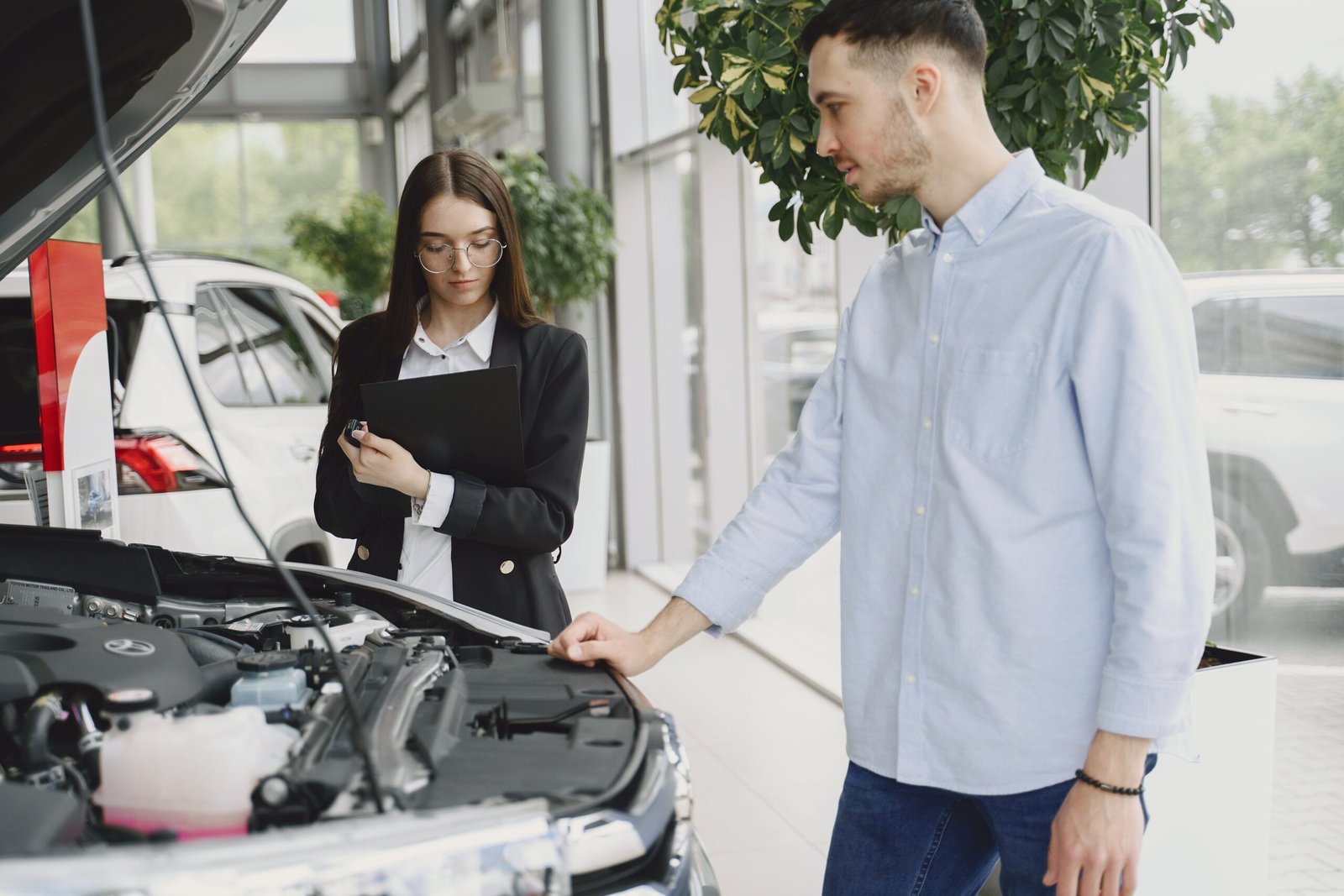
Buying a used car can be a smart way to save money, but it also requires careful inspection. Unlike a new vehicle, a used car may have a history of accidents, repairs, poor maintenance, or hidden mechanical problems.
A car can look perfect from the outside and still have expensive issues underneath. That is why buyers should inspect the vehicle carefully and avoid making a decision based only on appearance or a seller’s promises.
Here are 15 important things to check before buying a used car.
1. Check the Exterior
Walk around the entire vehicle and inspect the body panels carefully. Look for scratches, dents, rust, mismatched paint, or panels that appear to have different shades.
Uneven gaps between body panels can sometimes indicate previous repairs or accident damage.
2. Inspect the Tires
Check all four tires for tread depth and uneven wear. Uneven tire wear may indicate alignment, suspension, or other mechanical problems.
Also check the spare tire if one is included with the vehicle.
3. Check the Engine Bay
Open the hood and look for obvious signs of leaks, damaged components, excessive corrosion, or unusual modifications.
The engine compartment does not need to look brand new, but major fluid leaks or neglected components should be investigated.
4. Start the Engine From Cold
If possible, inspect the car when the engine is cold. A cold start can reveal problems that may be less noticeable after the engine has warmed up.
Listen for unusual noises and pay attention to how quickly and smoothly the engine starts.
5. Check the Engine Oil
Inspect the engine oil according to the manufacturer’s instructions. Extremely dirty oil or an unusually low oil level may indicate poor maintenance or another issue.
Oil condition alone cannot tell you everything about an engine, so it should be considered together with other inspection results.
6. Test the Transmission
During the test drive, pay attention to how the transmission changes gears.
For an automatic transmission, look for excessive delays, harsh shifting, slipping, or unusual noises. For a manual transmission, check the clutch and gear changes carefully.
Any significant transmission problem can be expensive to repair.
7. Test the Brakes
During a safe test drive, check whether the vehicle brakes smoothly and predictably.
Listen for unusual grinding or squealing and watch for vibrations or pulling to one side.
If braking performance feels abnormal, have the vehicle inspected before purchasing it.
8. Check the Suspension
Drive slowly over a suitable uneven surface and listen for unusual knocking or rattling sounds.
Pay attention to whether the vehicle feels excessively bouncy or unstable.
Suspension components wear over time, so problems may require replacement parts and additional costs.
9. Inspect the Interior
Check the seats, dashboard, carpets, door panels, switches, and other interior components.
Excessive wear compared with the vehicle’s claimed mileage may be worth investigating. Make sure important electrical features work correctly.
10. Test the Air Conditioning
Turn the air conditioner on and check whether it produces sufficient cooling and airflow.
Also test the heater if appropriate. Air-conditioning repairs can sometimes be expensive, so it is better to identify problems before completing the purchase.
11. Check All Lights and Electronics
Test the headlights, indicators, brake lights, hazard lights, interior lights, power windows, mirrors, locks, infotainment system, and other electrical equipment.
Do not assume that small electrical problems are always inexpensive to repair.
12. Verify the Vehicle Identification Number
Check the vehicle identification number, or VIN, against the relevant documents and vehicle records available in your country.
The VIN can help verify important information about the vehicle’s identity and history. Make sure the numbers match and there are no obvious signs of tampering.
13. Review Maintenance Records
Ask the seller for available service and maintenance records.
Records can provide useful information about oil changes, repairs, replacement parts, and previous servicing.
A well-documented maintenance history can make it easier to understand how the vehicle has been cared for.
14. Take a Proper Test Drive
Do not buy a used car without testing it when possible. Drive at different speeds and pay attention to steering, braking, acceleration, transmission behavior, suspension, and unusual sounds.
Choose a safe route that allows you to evaluate the vehicle without violating traffic laws.
15. Get a Professional Inspection
One of the best ways to reduce risk is to have an independent mechanic inspect the car before purchasing it.
A professional may identify mechanical or structural problems that are difficult for an inexperienced buyer to notice.
The inspection fee may seem unnecessary, but it can potentially save you from buying a vehicle that requires expensive repairs.
Final Thoughts
Buying a used car requires patience. Do not rush simply because the seller says another buyer is interested or the price is available for a limited time.
Inspect the exterior, tires, engine, transmission, brakes, suspension, interior, electronics, and documents. Check the vehicle’s identification information and review its available maintenance history.
Most importantly, consider getting an independent professional inspection before paying. A few hours of careful checking can help you make a much more informed decision and avoid costly surprises after the purchase.