
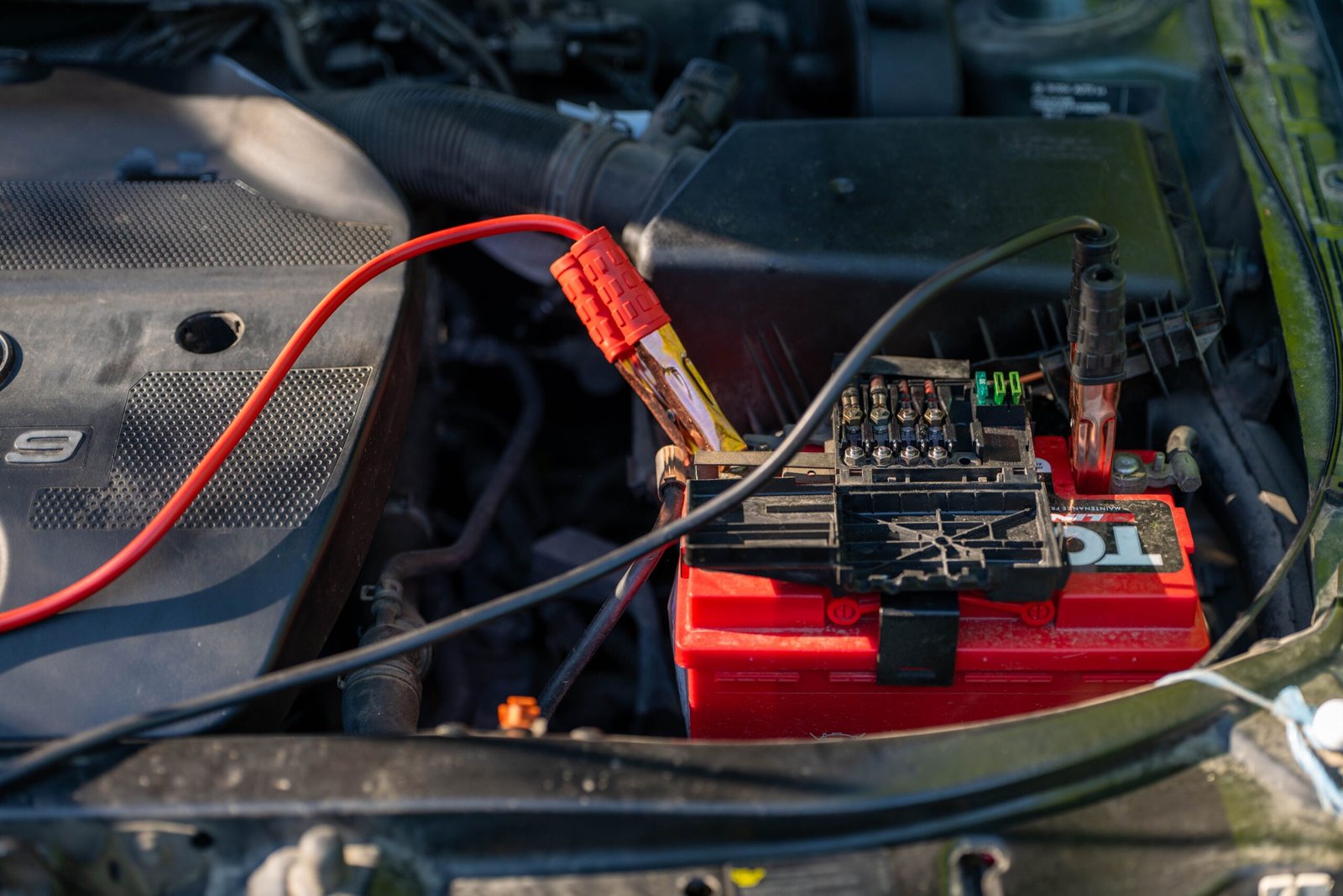
A car battery is a small but essential part of every vehicle. Without a properly working battery, your car may not start, and many electrical systems may stop functioning correctly. Unfortunately, many drivers only think about their battery when the car refuses to start.
Regular battery care can help reduce the chances of unexpected starting problems. Although modern batteries require less maintenance than older types, they still benefit from regular checks and good driving habits.
Here are 10 useful tips to help keep your car battery in good condition.
1. Check the Battery Regularly
A quick visual inspection can help you notice potential problems early. Look at the battery for signs of damage, swelling, cracks, or corrosion around the terminals.
If you notice anything unusual, it is better to have the battery inspected by a qualified mechanic.
2. Keep Battery Terminals Clean
Corrosion can build up around battery terminals over time. Heavy corrosion can interfere with the electrical connection between the battery and the vehicle.
If the terminals are dirty or corroded, they may need cleaning. Always follow the battery manufacturer’s safety instructions when working around the battery.
3. Make Sure Connections Are Secure
Loose battery connections can cause starting and electrical problems. The terminals should be properly secured and should not move easily.
If you are unsure how to inspect or tighten the connections safely, ask a professional rather than experimenting with electrical components.
4. Avoid Leaving Lights On
One of the easiest ways to drain a car battery is leaving the headlights or interior lights switched on when the engine is off.
Many modern vehicles have automatic lighting systems, but it is still a good habit to check that lights and electrical accessories are switched off when leaving the car.
5. Take Short Trips Into Consideration
Frequent very short journeys may not give the vehicle’s charging system enough time to replace the energy used during starting.
If you mostly drive short distances, pay attention to signs of a weak battery and make sure the vehicle receives appropriate maintenance.
6. Watch for Slow Engine Starting
A slow or weak engine crank can be an early sign that the battery is losing its ability to provide sufficient power.
If the engine takes noticeably longer to start than it normally does, do not ignore the change. The battery and charging system should be tested to determine the cause.
7. Pay Attention to Electrical Problems
A weak battery can sometimes be associated with dim lights, unusual electrical behavior, or other starting issues.
However, these symptoms can also be caused by an alternator, wiring, or another electrical problem. Proper testing is therefore important before replacing parts.
8. Consider Extreme Temperatures
Very hot and very cold weather can affect battery performance and lifespan. Extreme temperatures can place additional stress on a battery that is already aging or weak.
If your vehicle is exposed to harsh temperatures regularly, make sure the battery and charging system are checked during routine maintenance.
9. Test an Older Battery
Car batteries do not last forever. Their lifespan depends on factors such as climate, vehicle type, driving habits, and battery quality.
If your battery is getting older and you notice starting problems, consider having it tested. A battery test can provide useful information about its current condition.
Replacing a weak battery before it completely fails can help prevent being stranded unexpectedly.
10. Check the Charging System
The battery is not the only part responsible for keeping your car’s electrical system working. The alternator normally recharges the battery while the engine is running.
If a battery repeatedly loses charge, the problem may not actually be the battery itself. A faulty charging system can prevent the battery from receiving the necessary charge.
A professional can test the battery, alternator, and related electrical components to identify the problem.
When Should You Replace a Car Battery?
There is no single replacement date that applies to every battery. Some batteries last longer than others depending on climate, driving conditions, maintenance, and vehicle use.
Common warning signs include slow starting, repeated loss of charge, visible battery damage, and electrical problems.
Instead of waiting for complete failure, consider testing an aging battery during routine servicing.
Final Thoughts
A healthy car battery is essential for reliable starting and normal operation of your vehicle’s electrical systems. Simple habits such as keeping the terminals clean, avoiding unnecessary electrical use when the engine is off, checking connections, and paying attention to slow starting can help you identify problems early.
If your car repeatedly struggles to start, do not immediately assume that the battery needs replacement. The charging system and other electrical components may also need to be tested.
Regular inspection and preventive maintenance can help reduce the chances of an unexpected breakdown and keep your vehicle ready for the road.