
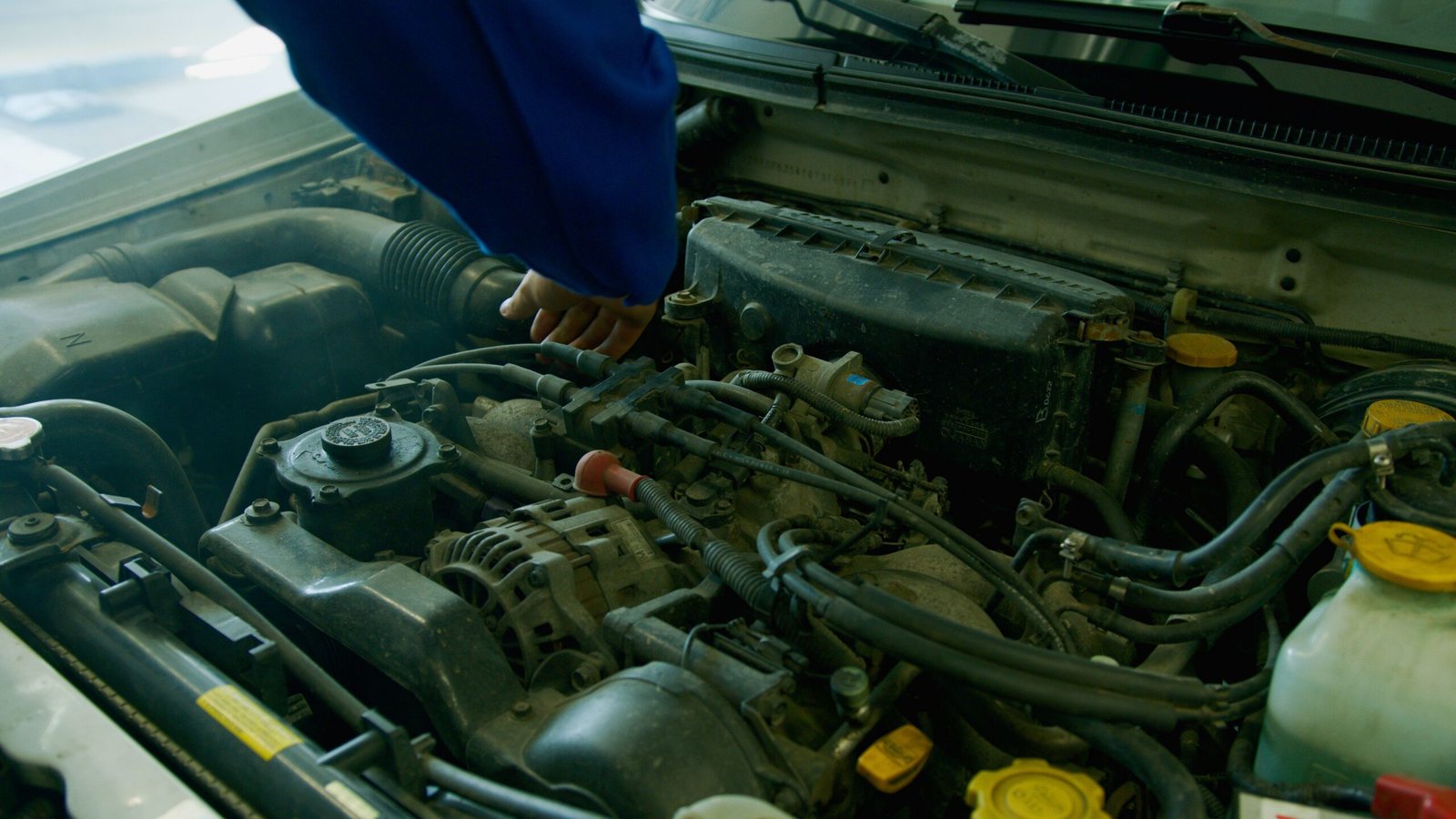
Engine oil is one of the most important fluids in your car. It lubricates moving engine components, helps control temperature, reduces friction, and carries contaminants away from critical parts.
When engine oil becomes too low, too old, contaminated, or the wrong type, your engine can suffer serious damage. In some cases, ignoring an oil-related warning can eventually lead to complete engine failure.
The good news is that most oil problems produce warning signs before serious damage occurs.
In this guide, we explain 15 common engine oil problems, their warning signs, possible causes, and what you should do to protect your engine.
Why Is Engine Oil Important?
Inside an engine, many metal components move at extremely high speeds and temperatures. Engine oil creates a protective layer between these components and reduces metal-to-metal contact.
Engine oil also helps:
- Reduce friction
- Protect against wear
- Control engine temperature
- Clean internal components
- Prevent corrosion
- Carry contaminants toward the oil filter
- Support proper engine operation
Without sufficient lubrication, engine components can become damaged very quickly.
1. Low Engine Oil Level
Low oil is one of the most common engine oil problems.
A low oil level can happen because of:
- Oil leaks
- Burning oil
- Poor maintenance
- Incorrect oil filling
- Worn engine components
Driving with insufficient oil can increase friction and heat inside the engine.
Check your oil level according to the procedure in your owner’s manual. If it is below the recommended level, use the correct oil specified for your vehicle.
2. Oil Warning Light
If the red oil-pressure warning light appears on your dashboard while the engine is running, take it seriously.
The warning may indicate:
- Low oil pressure
- Very low oil level
- Oil pump problems
- Engine wear
- A faulty sensor
If the oil-pressure warning light stays on, safely stop the vehicle and switch off the engine. Continuing to drive with low oil pressure can cause severe engine damage.
3. Engine Oil Leak
Oil underneath your vehicle is another important warning sign.
Possible leak locations include:
- Oil pan
- Valve cover gasket
- Oil filter
- Drain plug
- Crankshaft seals
- Camshaft seals
A small leak may seem harmless, but it can gradually reduce the engine oil level.
If you regularly find oil spots where you park, have the source identified instead of simply adding oil repeatedly.
4. Burning Oil Smell
A strong smell of burning oil can indicate that oil is reaching a hot engine component.
For example, oil leaking from the valve cover area may drip onto hot exhaust components.
A burning smell can also be associated with internal oil consumption.
If you notice a persistent burning oil smell, inspect the engine compartment and have the vehicle checked.
5. Blue Smoke From the Exhaust
Blue or blue-gray smoke from the exhaust can indicate that the engine is burning oil.
Possible causes include:
- Worn piston rings
- Valve-seal problems
- Turbocharger issues
- Excessive engine wear
The exact cause depends on when the smoke appears.
For example, smoke during acceleration can point toward different issues than smoke during startup or deceleration.
6. Engine Oil Becomes Very Dark
Engine oil naturally becomes darker as it circulates through the engine, so dark oil does not automatically mean that something is wrong.
However, extremely dirty oil, especially when combined with a burnt smell or visible particles, may indicate that the oil needs service or that the engine has another problem.
Always follow the manufacturer’s recommended oil-change interval and use the correct specification.
7. Milky or Creamy Oil
If engine oil becomes unusually milky or creamy, it may indicate contamination with coolant or moisture.
A small amount of light-colored residue under an oil cap can sometimes occur because of condensation, particularly with short trips in cold weather.
However, thick creamy oil throughout the engine lubrication system can be a serious warning sign.
Possible causes include:
- Head gasket failure
- Cooling-system contamination
- Internal engine problems
A professional inspection is recommended if this symptom appears.
8. Engine Oil Smells Like Fuel
If the engine oil has a strong gasoline or diesel smell, fuel may be entering the lubrication system.
Potential causes include:
- Fuel injector problems
- Excessive short-distance driving
- Faulty fuel-system components
- Engine-control issues
Fuel contamination can reduce the oil’s ability to protect engine components.
This problem should be investigated rather than ignored.
9. Excessive Oil Consumption
Some engines naturally consume a small amount of oil, but excessive oil consumption should be investigated.
You may notice that you need to add oil frequently even though there is no obvious external leak.
Possible causes include:
- Worn piston rings
- Valve-seal wear
- Turbocharger problems
- Internal engine wear
- PCV system issues
Regularly checking the oil level can help you identify increasing oil consumption early.
10. Engine Ticking Noise
A ticking or tapping noise from the engine can sometimes be related to lubrication problems.
Low oil level or low oil pressure can prevent certain engine components from receiving adequate lubrication.
However, ticking can also be caused by:
- Valve-train wear
- Timing components
- Injectors
- Exhaust leaks
- Other mechanical issues
If a new engine noise appears, especially together with an oil warning light, stop driving and get it checked.
11. Knocking Noise
Engine knocking is one of the more serious symptoms a driver can encounter.
A deep knocking sound may indicate internal engine damage, although not every knocking noise is caused by engine oil.
Possible causes include:
- Severe lubrication problems
- Bearing wear
- Internal engine damage
- Incorrect combustion
If a loud knocking noise suddenly appears, avoid continuing to drive the vehicle.
12. Oil Pressure Problems
Engine oil pressure is essential because the oil must reach critical components under the correct pressure.
Low oil pressure can result from:
- Low oil level
- Wrong oil viscosity
- Worn engine bearings
- Failing oil pump
- Blocked oil pickup
- Severe engine wear
A vehicle with genuine low oil pressure should be diagnosed immediately.
13. Wrong Engine Oil
Using the wrong engine oil can affect engine performance and protection.
Modern engines can have specific requirements for:
- Viscosity
- API specifications
- ACEA specifications
- Manufacturer approvals
- Synthetic or conventional formulations
Do not select oil based only on whether it is marketed as “premium” or “high performance.”
Always check the owner’s manual or manufacturer’s specification.
14. Old Engine Oil
Engine oil degrades over time because of heat, contamination, oxidation, and normal engine operation.
Old oil may provide less effective protection than fresh oil.
However, oil-change intervals differ between vehicles. Some modern vehicles can safely go much longer between services than older vehicles.
Follow the service schedule recommended for your specific vehicle and driving conditions.
15. Oil Filter Problems
The oil filter removes contaminants from the engine oil.
A poor-quality, damaged, incorrectly installed, or severely restricted filter can affect the lubrication system.
A proper oil service should generally include the correct filter when the manufacturer specifies filter replacement.
Never choose an oil filter solely because it physically fits. The correct specifications matter.
How Often Should You Check Engine Oil?
Checking the oil level regularly is a simple habit that can prevent expensive problems.
A good routine is to check it periodically, particularly before long trips or when you notice symptoms such as:
- New engine noises
- Oil spots
- Burning smells
- Warning lights
- Increased oil consumption
Follow the manufacturer’s instructions because some vehicles require specific conditions for an accurate oil-level reading.
How to Check Engine Oil Correctly
If your vehicle uses a traditional dipstick, follow the procedure in the owner’s manual.
Generally:
- Park the car on a level surface.
- Switch off the engine.
- Allow the engine to sit for the period recommended by the manufacturer.
- Remove and wipe the dipstick.
- Reinsert it completely.
- Remove it again and check the oil level.
- Add the correct oil if necessary.
Do not overfill the engine.
Too much oil can also create problems, so the goal is to keep the level within the manufacturer’s specified range.
How to Prevent Engine Oil Problems
Good maintenance can dramatically reduce the risk of oil-related engine damage.
Use the Correct Oil
Always use the oil grade and specification recommended for your engine.
Change Oil on Schedule
Do not automatically follow a generic oil-change interval. Check the vehicle manufacturer’s service schedule.
Replace the Oil Filter
Use a quality filter that meets the correct specifications.
Check for Leaks
Look around the engine and underneath the vehicle for signs of oil leakage.
Monitor Oil Consumption
If your vehicle starts using significantly more oil than before, investigate the reason.
Avoid Ignoring Warning Lights
Dashboard warning lights are there to alert you before a problem becomes worse.
Can Low Oil Damage an Engine?
Yes. Driving with dangerously low engine oil can cause serious damage.
Insufficient lubrication can increase friction and heat and may damage components such as:
- Bearings
- Camshafts
- Crankshaft
- Pistons
- Timing components
In extreme cases, the engine can seize completely.
That is why checking oil level and responding quickly to an oil-pressure warning are important parts of car maintenance.
Final Thoughts
Engine oil problems can start with something as simple as a small leak or overdue maintenance, but ignoring them can eventually lead to expensive engine repairs.
Watch for warning signs such as low oil levels, oil leaks, burning smells, blue exhaust smoke, unusual engine noises, excessive oil consumption, and dashboard oil warnings.
The best way to protect your engine is simple: use the correct oil, maintain the correct oil level, replace oil and filters according to the manufacturer’s schedule, and investigate unusual symptoms early.
A few minutes spent checking your engine oil can potentially save you from a major repair bill later.