
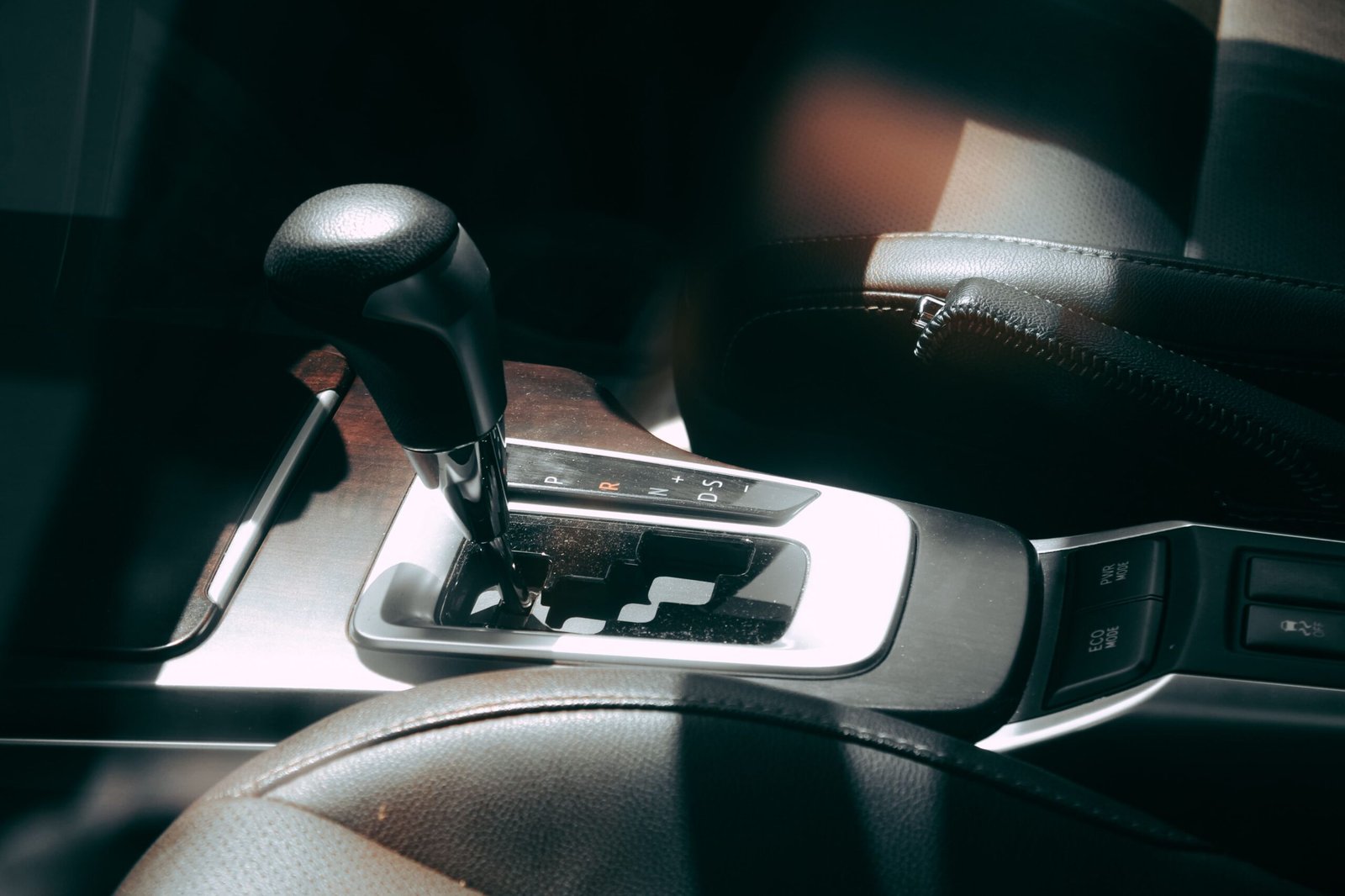
Your car’s transmission is one of its most important mechanical systems. It transfers power from the engine to the wheels and allows your vehicle to move smoothly at different speeds. Whether your car has an automatic, manual, or CVT transmission, proper maintenance is essential for reliable performance.
Unfortunately, transmission problems can become expensive if they are ignored for too long. The good news is that many transmission failures provide warning signs before they become major problems.
In this guide, we will explain the most common car transmission problems, their warning signs, possible causes, and what you should do when you notice them.
What Does a Car Transmission Do?
The transmission controls how much power from the engine reaches the wheels. It changes gears according to the vehicle’s speed, engine load, and driving conditions.
Modern cars commonly use:
- Automatic transmissions
- Manual transmissions
- Continuously Variable Transmissions (CVT)
- Dual-clutch transmissions (DCT)
Although these systems work differently, all transmissions require proper lubrication, cooling, and maintenance.
1. Delayed Gear Shifting
One of the most common signs of a transmission problem is a noticeable delay when changing gears.
For example, you may press the accelerator and notice that the engine revs increase but the car takes a few seconds to respond.
Possible causes include:
- Low transmission fluid
- Dirty transmission fluid
- Worn clutch components
- Solenoid problems
- Internal transmission wear
If your vehicle frequently hesitates before engaging a gear, it should be inspected rather than ignored.
2. Transmission Slipping
Transmission slipping occurs when the transmission unexpectedly changes gears or fails to stay in the selected gear.
You may notice:
- Engine RPM suddenly increasing
- Loss of acceleration
- Unexpected gear changes
- Difficulty maintaining speed
Transmission slipping can be dangerous, especially when overtaking or driving on highways.
Low fluid, worn clutch packs, damaged gears, or electronic problems can cause slipping.
3. Hard or Rough Gear Changes
A healthy transmission should change gears smoothly. If your car suddenly jerks, bangs, or feels like it is being pushed when shifting, there may be a transmission issue.
Common causes include:
- Low or contaminated transmission fluid
- Worn transmission mounts
- Faulty shift solenoids
- Sensor problems
- Internal transmission damage
A small issue can sometimes be fixed relatively easily, but continued driving with severe shifting problems can make the damage worse.
4. Transmission Fluid Leaks
Transmission fluid is essential for lubrication, cooling, and hydraulic pressure.
If you notice red, pink, brown, or dark oily fluid underneath your vehicle, it could be transmission fluid.
Common leak points include:
- Transmission seals
- Gaskets
- Transmission pan
- Axle seals
- Cooler lines
Never ignore a transmission fluid leak. Driving with very low fluid can cause serious internal damage.
5. Burning Smell
A burning smell coming from your vehicle should never be ignored.
Transmission fluid that becomes extremely hot can develop a burnt smell. Overheating can happen because of:
- Low fluid level
- Old transmission fluid
- Heavy towing
- Excessive traffic
- Internal transmission problems
- Poor cooling
If the smell is strong or appears repeatedly, have the vehicle inspected as soon as possible.
6. Unusual Transmission Noises
A transmission that is developing a problem may produce strange sounds.
Depending on the type of transmission, you might hear:
- Whining
- Humming
- Grinding
- Clunking
- Buzzing
The sound may become louder when accelerating or changing gears.
However, unusual noises can also come from wheel bearings, driveshafts, differentials, or engine components. A professional inspection is usually needed to identify the exact source.
7. Car Refuses to Move
If the engine starts normally but the vehicle does not move when you select Drive or Reverse, there could be a serious transmission problem.
Possible causes include:
- Very low transmission fluid
- Failed transmission pump
- Broken driveshaft
- Internal transmission failure
- Electrical or electronic faults
If the car suddenly loses the ability to move, avoid repeatedly accelerating it. Have it safely inspected or towed to a repair shop.
8. Check Engine Light
The check engine light does not only indicate engine problems. Modern vehicles have sensors and computers that monitor the transmission as well.
A check engine light may appear because of:
- Faulty transmission sensors
- Shift solenoid problems
- Transmission overheating
- Gear-ratio issues
- Electronic control problems
If the warning light appears together with shifting problems, get the vehicle scanned for diagnostic trouble codes.
9. Transmission Overheating
Heat is one of the biggest enemies of an automatic transmission.
Excessive heat can damage transmission fluid and internal components.
Transmission overheating can be caused by:
- Low fluid
- Old fluid
- Heavy traffic
- Towing heavy loads
- Aggressive driving
- Cooling system problems
If your vehicle has a transmission temperature warning, stop driving when it is safe and allow the system to cool. Continuing to drive an overheating transmission can result in expensive repairs.
10. Difficulty Selecting Gears
Manual and automatic vehicles can both develop problems selecting gears.
In a manual car, difficulty shifting may be related to:
- Worn clutch
- Low clutch fluid
- Damaged clutch hydraulics
- Worn synchronizers
- Transmission problems
In an automatic vehicle, difficulty selecting Drive or Reverse may indicate fluid, electrical, hydraulic, or internal mechanical problems.
11. Shaking or Vibrations
If your vehicle shakes or vibrates during gear changes, acceleration, or low-speed driving, the transmission may be involved.
However, vibration can also come from:
- Bad engine mounts
- Worn transmission mounts
- Unbalanced wheels
- Driveshaft problems
- CV joints
- Tire problems
Because several systems can cause similar symptoms, proper diagnosis is important.
12. Transmission Fluid Looks Dark or Dirty
Fresh transmission fluid should generally have a clean appearance appropriate to the fluid type specified for your vehicle.
If the fluid becomes extremely dark, contaminated, or smells burnt, it may indicate overheating or excessive wear.
Do not simply add new fluid without finding out why the old fluid has deteriorated.
Always use the transmission fluid specified by the vehicle manufacturer. Using the wrong fluid can cause shifting problems and potentially damage the transmission.
13. Neutral Drop-Out
If your automatic transmission unexpectedly behaves as though it has shifted into neutral while driving, this is a serious warning sign.
The engine may continue running, but power delivery to the wheels can disappear.
Possible causes include:
- Low fluid pressure
- Internal wear
- Faulty solenoids
- Transmission control problems
- Internal mechanical failure
Because unexpected loss of drive can create a safety hazard, professional diagnosis should not be delayed.
14. Manual Transmission Clutch Problems
Manual transmission vehicles rely on a clutch to connect and disconnect engine power from the transmission.
A worn clutch may cause:
- Engine RPM rising without matching acceleration
- Difficulty shifting gears
- Clutch pedal changes
- Burning smell
- Vehicle shuddering
- Engagement occurring very high on the pedal
A slipping clutch should be repaired before it causes additional problems.
15. Transmission Warning Messages
Many modern vehicles display specific warnings such as:
- Transmission fault
- Transmission overheating
- Service transmission
- Gearbox malfunction
Never ignore these messages.
The vehicle may continue driving normally for a short period, but a warning can indicate a developing problem that needs attention.
Common Causes of Transmission Problems
Transmission failures can happen for many reasons. Some of the most common include:
Low Transmission Fluid
Insufficient fluid can reduce lubrication and hydraulic pressure, resulting in overheating and poor shifting.
Old or Contaminated Fluid
Transmission fluid gradually loses its effectiveness. Contaminated fluid can also affect valves, solenoids, and other components.
Overheating
Excessive heat can break down transmission fluid and accelerate internal wear.
Aggressive Driving
Frequent hard acceleration, sudden launches, and unnecessary high-RPM driving can place additional stress on the transmission.
Lack of Maintenance
Ignoring recommended inspections and fluid service can shorten transmission life.
Electrical Problems
Modern transmissions depend heavily on sensors, computers, wiring, and electronic solenoids. A relatively small electrical fault can sometimes cause major shifting problems.
How to Prevent Transmission Problems
Regular maintenance is the best way to reduce the risk of expensive transmission repairs.
Check the Fluid
If your vehicle has a serviceable transmission-fluid system, check the fluid according to the manufacturer’s instructions.
Never assume that every transmission can be checked using the same procedure.
Follow the Manufacturer’s Service Schedule
Transmission maintenance intervals vary significantly between vehicles.
Check your owner’s manual for the correct service requirements.
Avoid Excessive Overloading
Carrying more weight than the vehicle is designed for can increase transmission heat and stress.
If you regularly tow a trailer, make sure your vehicle is properly equipped for the load.
Keep the Cooling System Healthy
On vehicles that use a transmission cooler, proper cooling can help control transmission temperature.
Keeping the engine cooling system in good condition is also important.
Drive Smoothly
Avoid unnecessary hard launches and aggressive acceleration.
Smooth driving can reduce stress on the transmission and other drivetrain components.
Fix Small Problems Early
A small fluid leak or sensor problem can become a major repair if ignored.
If you notice a new noise, leak, warning light, or shifting problem, investigate it early.
Can You Drive With a Transmission Problem?
It depends on the problem.
A minor issue may allow you to drive a short distance to a repair shop, but serious symptoms should not be ignored.
Avoid driving if your vehicle:
- Cannot select gears
- Suddenly loses drive
- Has a major fluid leak
- Produces severe grinding noises
- Overheats repeatedly
- Slips badly
- Shakes violently
In these situations, towing the vehicle may be safer and cheaper than risking further damage.
How Much Does a Transmission Repair Cost?
Transmission repair costs vary greatly depending on the vehicle, transmission type, problem, parts availability, and labor rates.
A simple sensor or solenoid issue may be relatively inexpensive, while a complete transmission rebuild or replacement can be very costly.
That is why early diagnosis is important.
A mechanic should identify the actual problem before replacing expensive components.
Final Thoughts
Transmission problems should never be ignored. Symptoms such as delayed shifting, slipping, unusual noises, fluid leaks, burning smells, vibrations, or warning lights can indicate that your vehicle needs attention.
The best approach is simple: notice the warning signs early, follow the manufacturer’s maintenance schedule, use the correct transmission fluid, and repair small problems before they become major failures.
Taking care of your transmission can improve driving performance, reduce unexpected breakdowns, and potentially save you thousands in repair costs over the life of your vehicle.
If you are unsure about a transmission symptom, professional diagnosis is always the safest option.