
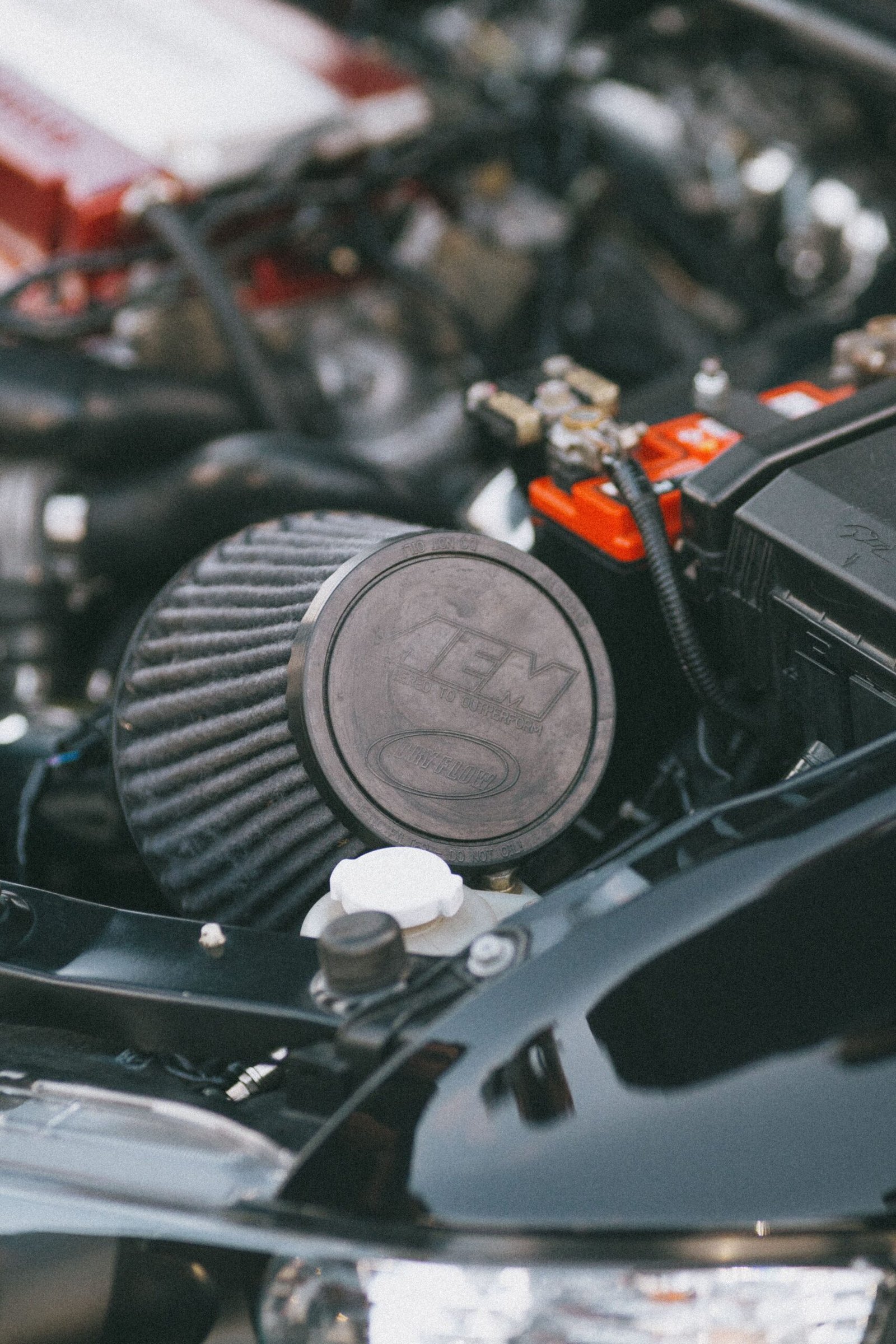
The air filter is a small but important component of a vehicle’s engine. Its main job is to prevent dust, dirt, sand, and other contaminants from entering the engine while allowing clean air to reach the combustion system.
Many drivers know that engine oil and tires need regular attention, but the air filter is often forgotten. A dirty, damaged, or incorrectly installed air filter can affect engine performance and may contribute to other problems.
The good news is that air-filter issues are usually easy to identify and relatively inexpensive to address.
Here are 15 common car air filter problems, their symptoms, and what drivers should know.
1. A Dirty Air Filter
Over time, an air filter collects dust and debris.
As the filter becomes increasingly dirty, airflow through it can become restricted. The engine may then struggle to receive the air it needs for efficient operation.
A dirty filter may contribute to:
- Reduced engine response
- Poor acceleration
- Increased fuel consumption
- Rough running
- Reduced overall performance
The replacement interval varies by vehicle and driving conditions, so follow the manufacturer’s maintenance recommendations.
2. Reduced Acceleration
If your car feels slower than usual when accelerating, there can be many possible causes.
A severely restricted air filter is one possibility.
When airflow is reduced, the engine may not operate as efficiently as it should.
However, don’t replace the filter solely because the car feels slow. Problems with fuel delivery, ignition, sensors, transmission, or other systems can create similar symptoms.
3. Increased Fuel Consumption
A vehicle that suddenly uses more fuel may have several possible causes.
A restricted air filter can be one factor, although modern engine-management systems can compensate for changes in airflow to some extent.
If fuel economy changes significantly, consider the entire vehicle rather than blaming the air filter alone.
Check tire pressure, driving habits, engine condition, and other relevant systems as well.
4. Rough Engine Performance
An engine that feels rough at idle or during acceleration may have an airflow problem.
A damaged or incorrectly installed air filter can allow unmetered air into the intake system or interfere with proper airflow.
Other causes can include spark plugs, ignition components, fuel injectors, vacuum leaks, and sensors.
If rough running continues after a filter replacement, further diagnosis is needed.
5. Unusual Engine Sounds
Changes in the sound of the intake system can sometimes indicate an air-filter or intake problem.
A loose filter housing, damaged intake duct, or missing component can allow air to enter differently than intended.
You may notice:
- Hissing
- Whistling
- Unusual intake noise
- Increased engine noise
A new sound should be investigated rather than ignored.
6. A Damaged Filter
Air filters can become physically damaged.
A torn, crushed, wet, or badly deformed filter may no longer seal properly.
This can allow unfiltered air to bypass the filtering material.
Dust entering the engine’s intake system can potentially contribute to accelerated wear over time.
If a filter is physically damaged, replacement is generally preferable to trying to repair it.
7. An Incorrectly Installed Filter
Even a brand-new filter can cause problems if it is installed incorrectly.
The filter needs to sit properly inside its housing and create an appropriate seal.
If it is misaligned or the housing is not closed correctly, air may bypass the filter.
Whenever you replace a filter, verify that:
- It is the correct part
- It is facing the correct direction when applicable
- It sits evenly
- The housing closes properly
- No debris is trapped around the sealing surface
8. Dust Around the Filter Housing
When inspecting an air filter, look at the area around it as well.
Excessive dust or dirt beyond the filter’s sealing surface may indicate that unfiltered air has been getting past the filter.
This could be caused by an incorrectly fitted filter, damaged housing, or poor sealing.
If you find significant contamination downstream of the filter, the intake system may require further inspection.
9. Water Contamination
Air filters can become wet in certain situations, particularly after exposure to heavy rain, flooding, or water entering the intake system.
A wet filter can restrict airflow and may indicate a larger intake problem.
If your vehicle has driven through deep water and subsequently develops engine problems, do not assume that simply replacing the filter will solve everything.
Water entering an engine can cause serious damage.
10. Ignoring the Manufacturer’s Replacement Schedule
Different vehicles require different maintenance intervals.
There is no universal rule that every air filter must be replaced after the same number of kilometers.
Driving conditions matter as well.
Vehicles regularly operated in dusty environments may require more frequent inspections than vehicles driven mostly on clean roads.
Always use the maintenance schedule recommended for your specific vehicle.
11. Using a Poor-Quality Filter
Not every replacement filter provides the same quality.
A filter should meet the specifications required by the vehicle manufacturer.
An extremely cheap or poorly manufactured filter may not provide the same filtration, fit, or durability as a quality replacement.
When purchasing a replacement, confirm compatibility with the exact engine and model.
12. Replacing the Wrong Filter
Vehicles may have multiple filters, and drivers sometimes confuse the engine air filter with the cabin air filter.
The engine air filter protects the engine’s intake system.
The cabin air filter helps filter air entering the passenger compartment through the ventilation system.
They perform different jobs and are located in different areas.
Make sure you identify the correct filter before purchasing or replacing one.
13. Forgetting the Intake Hose
The air filter is only one part of the intake system.
The duct between the filter housing and engine can develop cracks, become loose, or disconnect.
A damaged intake hose can cause airflow problems and may produce unusual engine behavior.
During an inspection, check the surrounding intake components rather than looking only at the filter itself.
14. Ignoring the Check Engine Light
Some intake-related problems can trigger a check-engine light.
Modern engines use sensors to monitor airflow and other operating conditions.
If an intake component is damaged or air is entering where it should not, the engine-control system may detect an abnormal condition.
An OBD-II scanner can help retrieve diagnostic trouble codes, but the code should be interpreted in context.
Replacing a sensor immediately without checking the entire intake system may not fix the actual problem.
15. Waiting Until Performance Becomes Poor
One common mistake is waiting for obvious performance problems before inspecting the air filter.
Preventive maintenance is usually better than waiting for symptoms.
A quick inspection during routine servicing can reveal whether the filter is heavily contaminated, damaged, or improperly fitted.
Following the manufacturer’s maintenance schedule can help keep the intake system functioning properly.
How to Inspect an Engine Air Filter
Checking an air filter is often straightforward, but the exact procedure varies by vehicle.
Generally, you should:
- Park the vehicle safely and switch off the engine.
- Locate the engine air-filter housing.
- Open the housing according to the manufacturer’s instructions.
- Remove the filter carefully.
- Inspect the filter material and sealing edges.
- Look for excessive dirt, damage, moisture, or deformation.
- Inspect the housing for debris.
- Reinstall or replace the filter correctly.
Do not allow dirt to fall into the intake system while the filter is removed.
If you are unsure about the procedure, consult the owner’s manual or a qualified technician.
Should You Clean or Replace an Air Filter?
This depends on the type of filter.
Many conventional disposable engine air filters are designed to be replaced rather than washed.
Some specialized reusable filters are designed for cleaning, but they must be serviced according to their manufacturer’s instructions.
Do not wash or heavily blow out a disposable filter unless the manufacturer specifically says that it is safe to do so.
Incorrect cleaning can damage the filter material.
Can a New Air Filter Improve Fuel Economy?
A severely restricted air filter can affect engine operation, but replacing a moderately dirty filter does not necessarily produce a dramatic improvement in fuel economy on a modern vehicle.
Engine-control systems can compensate for many changes in airflow.
The biggest benefit of replacing a worn or restricted filter is maintaining proper engine operation and filtration.
If your vehicle suddenly develops poor fuel economy, investigate the wider range of possible causes instead of expecting a new air filter alone to solve the issue.
Why Driving Conditions Matter
Air-filter life depends heavily on where and how you drive.
Vehicles operating in:
- Dusty areas
- Construction zones
- Dirt roads
- Sandy environments
- Heavy traffic
- Agricultural areas
may collect contaminants faster than vehicles driven primarily on clean highways.
If your driving environment is unusually dusty, more frequent inspections may be appropriate.
Final Thoughts
The engine air filter may not be one of the most expensive components in a vehicle, but it plays an important role in protecting the engine and maintaining proper airflow.
A dirty, damaged, wet, or incorrectly installed filter can contribute to performance problems and may indicate other intake-system issues.
Inspect the filter according to the manufacturer’s maintenance schedule, use the correct replacement part, and pay attention to changes in engine performance.
Most importantly, remember that not every performance or fuel-economy problem is caused by the air filter. If replacing or inspecting it does not solve the issue, proper diagnosis can help identify the real cause.
A simple filter check can be a small part of car care, but it can help keep the engine’s air-intake system clean, protected, and working as intended.