
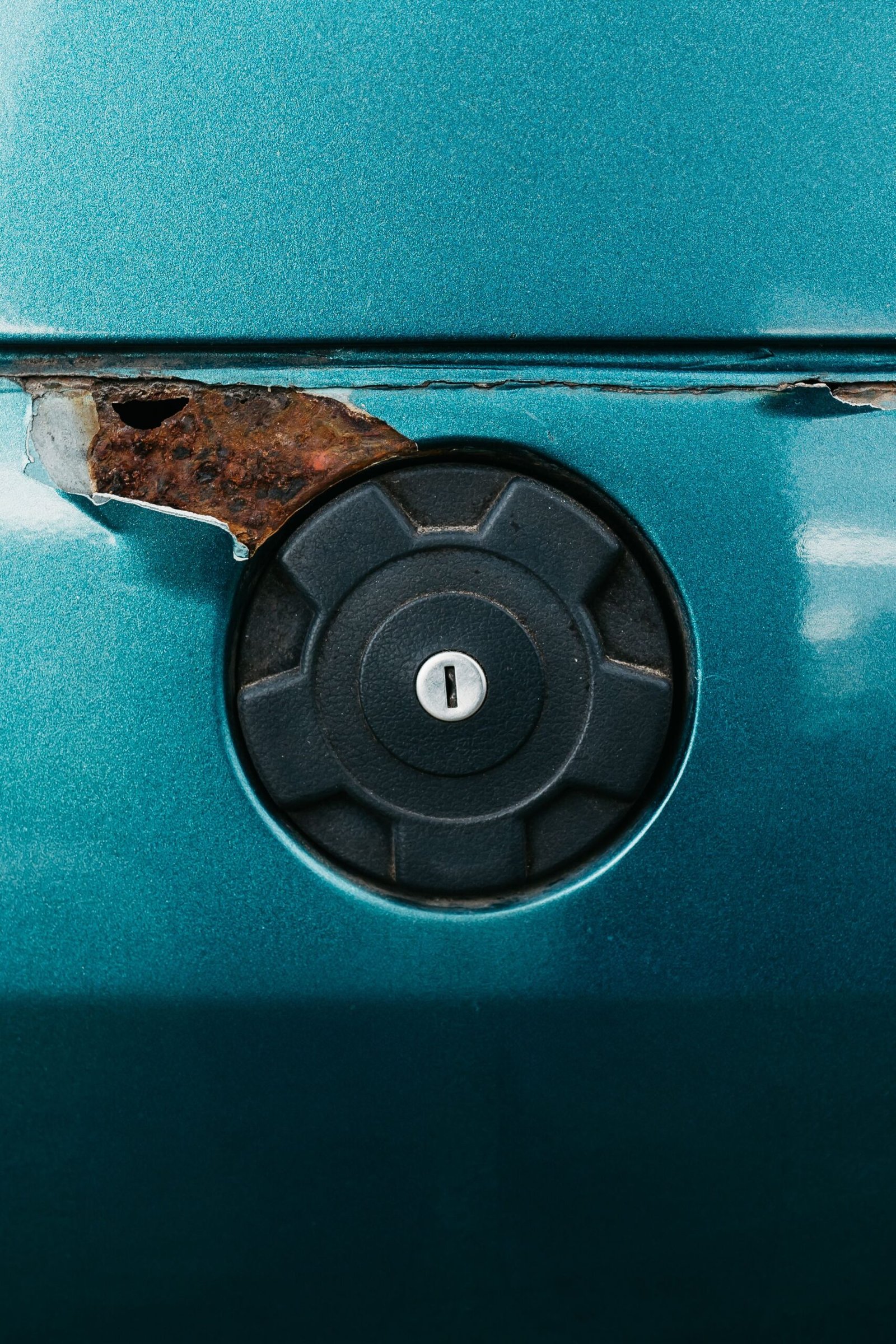
Your car’s paint does much more than make the vehicle look attractive. The paint system also helps protect the metal underneath from moisture, oxidation, rust, chemicals, and environmental damage.
Unfortunately, car paint is exposed to harsh conditions every day. Sunlight, dust, bird droppings, tree sap, road salt, rain, mud, incorrect washing methods, and even small scratches can gradually reduce the appearance and protection of the paint.
The good news is that protecting your car’s paint does not always require expensive detailing services. A few simple habits can make a major difference.
Here are 15 smart ways to protect your car’s paint and keep it looking newer for longer.
1. Wash Your Car Regularly
Dirt and dust can accumulate on the paint and eventually affect its appearance.
Regular washing removes contaminants before they have a chance to build up.
However, washing too aggressively can also create scratches. Use automotive car-wash products rather than household detergents whenever possible.
The goal is to remove dirt without rubbing it across the paint.
2. Avoid Washing Under Direct Sunlight
Washing a hot car under strong sunlight can make cleaning more difficult.
Water and cleaning products can dry quickly on the body panels, leaving spots and residue.
Whenever possible, wash your vehicle in a shaded area when the body is relatively cool.
This also gives you more time to rinse the car properly before water evaporates.
3. Use a Quality Microfiber Wash Mitt
The material you use to wash your car matters.
A rough sponge or old cloth can trap dirt against the paint and drag it across the surface.
A soft microfiber wash mitt is generally a better choice because it can help lift and hold dirt away from the paint.
Keep separate cloths for different parts of the vehicle so that dirt from wheels does not end up on painted panels.
4. Use the Two-Bucket Washing Method
A two-bucket method can reduce the amount of dirt transferred back onto the vehicle.
One bucket can contain your car shampoo solution, while the other contains clean water for rinsing the wash mitt.
After cleaning a section, rinse the mitt before putting it back into the shampoo solution.
This simple habit can reduce the chances of creating swirl marks and fine scratches.
5. Remove Bird Droppings Quickly
Bird droppings should not be left on the paint for long periods.
They can contain substances that may damage the clear coat, especially when exposed to heat and sunlight.
Instead of aggressively rubbing dried droppings, soften them with water or a suitable automotive cleaning product.
Gently remove the contamination after it has softened.
6. Remove Tree Sap as Soon as Possible
Tree sap can stick strongly to automotive paint.
If left for a long time, it can become difficult to remove and may leave marks on the clear coat.
If your vehicle is regularly parked under trees, inspect the paint occasionally.
Use an automotive-safe product designed for removing sap and follow the product instructions.
Avoid scraping hardened sap with sharp objects.
7. Protect the Car From Strong Sunlight
Ultraviolet radiation can gradually affect automotive paint.
Long-term exposure can cause fading, loss of gloss, and deterioration of the clear coat.
Whenever possible, park your vehicle in a garage, under a covered parking area, or in a shaded location.
If covered parking is unavailable, a properly fitted car cover can provide additional protection.
8. Choose a Good Car Cover
A car cover can protect the paint when the vehicle is parked for extended periods.
However, the cover should be clean and suitable for the environment.
Using a dirty or rough cover on a dusty car can cause scratches as the cover moves across the paint.
Make sure both the car and the inside of the cover are reasonably clean before covering the vehicle.
9. Don’t Use Household Dishwashing Liquid
Dishwashing liquid is designed to remove grease and food from dishes, not to maintain automotive paint.
Regular use may remove protective products from the paint surface.
A dedicated car shampoo is a better choice because it is designed for automotive surfaces.
Using the correct product can make regular washing safer and more effective.
10. Dry the Car Properly
Leaving a car wet after washing can result in water spots, particularly when the water contains minerals.
Use a clean, soft microfiber drying towel.
Do not drag a dirty towel across the paint.
Instead, use gentle movements and make sure the towel is clean before beginning.
Proper drying is an important part of safe car washing.
11. Avoid Automatic Car Washes With Aggressive Brushes
Some older-style automatic car washes use rotating brushes that may collect dirt from multiple vehicles.
That dirt can potentially create fine scratches and swirl marks.
If maintaining the paint’s appearance is a priority, a careful hand wash or a touchless wash may be preferable.
Not every automatic car wash is harmful, but the type of washing system matters.
12. Fix Paint Chips Early
Small stone chips are common, especially on the front bumper, hood, and side mirrors.
A tiny chip may appear insignificant, but exposed metal can eventually become vulnerable to corrosion.
Inspect the front of your vehicle occasionally for paint chips.
For appropriate repairs, use a quality touch-up product or have a professional repair the affected area.
13. Don’t Park Too Close to Other Cars
Parking too close to other vehicles increases the risk of door dings and accidental scratches.
Whenever possible, choose a space that gives your vehicle enough room.
Be particularly careful in crowded parking lots.
A few extra seconds spent choosing a safer parking space can prevent an expensive paint repair.
14. Consider Paint Protection Products
There are several products designed to provide an additional protective layer over automotive paint.
These include waxes, paint sealants, and ceramic coatings.
Their durability and performance vary considerably.
A traditional wax can provide basic protection and improve gloss, while professional coatings may provide longer-lasting protection when correctly installed.
No coating makes paint completely scratch-proof, so realistic expectations are important.
15. Clean Contaminants Before They Become a Problem
Your vehicle can collect many contaminants beyond normal dust.
Examples include:
- Road tar
- Insects
- Tree sap
- Bird droppings
- Industrial fallout
- Mud
- Hard-water deposits
- Road chemicals
The longer contaminants remain on the paint, the more difficult they can become to remove.
Regular inspection and gentle cleaning can help prevent permanent marks.
Common Mistakes That Damage Car Paint
Even drivers who regularly wash their vehicles can accidentally damage the paint.
One common mistake is using the same cloth for wheels and painted panels. Wheels can contain brake dust and other abrasive particles.
Another mistake is wiping dust off a completely dry car with a regular cloth. This can drag particles across the clear coat and create scratches.
Using excessive pressure during washing is another problem.
More pressure does not necessarily mean better cleaning. Proper lubrication and gentle washing are usually safer.
Does Wax Really Protect Car Paint?
Wax can provide a protective layer over the paint and improve water behavior and shine.
However, wax is not permanent.
Its durability depends on the product, weather conditions, washing frequency, and how the vehicle is maintained.
If you use wax, follow the manufacturer’s application instructions and reapply it when necessary.
Wax should be considered an additional layer of protection rather than a guarantee against scratches or damage.
Is Ceramic Coating Worth It?
Ceramic coatings can provide durable protection and make the surface easier to clean.
They can also improve gloss and water behavior.
However, ceramic coating does not make a vehicle immune to scratches, stone chips, or dents.
Professional preparation and application can also be relatively expensive.
Whether it is worthwhile depends on how long you plan to keep the car, where you park it, and how much you value maintaining its appearance.
What About Paint Protection Film?
Paint protection film, often called PPF, is designed to provide a physical protective layer over the paint.
It can be particularly useful on areas that receive frequent stone impacts, such as the front bumper, hood, and mirrors.
Quality PPF can provide stronger physical protection than traditional wax or sealants.
However, installation quality matters greatly, and the cost is usually higher.
How Often Should You Wash Your Car?
There is no single schedule that works for every vehicle.
A car driven through dusty, muddy, or heavily polluted areas may need more frequent cleaning than a vehicle kept mostly indoors.
The important thing is not to allow heavy contamination to remain on the paint for extended periods.
Instead of waiting until the car becomes extremely dirty, regular gentle cleaning is generally easier and safer.
Final Thoughts
Protecting your car’s paint is mostly about developing good habits.
Regular washing, proper drying, safe cleaning products, careful parking, quick removal of bird droppings and tree sap, and protection from excessive sunlight can all help maintain the appearance of your vehicle.
You do not necessarily need expensive detailing treatments to keep your paint looking good. Basic maintenance, when done correctly and consistently, can make a significant difference.
Remember that automotive paint is exposed to the environment every day. The sooner you remove damaging contaminants and repair small problems, the easier it is to maintain a clean, glossy, and attractive finish.
A little extra care today can help your car look newer for much longer and may also help preserve its resale value when you eventually decide to sell it.