
The serpentine belt is one of the most important external components in a modern car engine. Although it looks like a simple rubber belt, it can power several critical accessories, including the alternator, air-conditioning compressor, power steering system, and sometimes the water pump.
Because the belt operates continuously while the engine is running, it experiences heat, friction, tension, and constant movement. Over time, it can become worn, cracked, loose, damaged, or contaminated.
A failing serpentine belt should never be ignored. In some vehicles, a broken belt can cause the alternator to stop charging the battery, the air conditioner to stop working, power steering assistance to disappear, or the engine to overheat.
Here are 15 warning signs that your serpentine belt or its related components may need attention.
1. Visible Cracks on the Belt
One of the easiest ways to identify belt wear is by inspecting its surface.
Small cracks may appear across the ribs as the rubber ages. A few minor surface marks do not always mean immediate failure, but extensive cracking is a warning sign.
If the belt has numerous deep cracks, missing sections, or damaged ribs, it should be inspected and possibly replaced.
2. Squealing Noise From the Engine
A high-pitched squealing sound from the engine bay can be caused by a slipping serpentine belt.
The noise may be especially noticeable when starting the engine, accelerating, turning the steering wheel, or switching on the air conditioner.
A worn belt is one possible cause, but a weak tensioner, damaged pulley, or accessory bearing can produce similar sounds.
Therefore, replacing the belt without checking the entire belt system may not solve the problem.
3. Belt Slipping
The serpentine belt must maintain proper contact with the pulleys.
If the belt becomes loose or the tensioner becomes weak, the belt can slip.
Slipping may reduce the performance of the accessories powered by the belt. You may also hear squealing or notice that the belt moves irregularly.
A technician should inspect belt tension and pulley alignment.
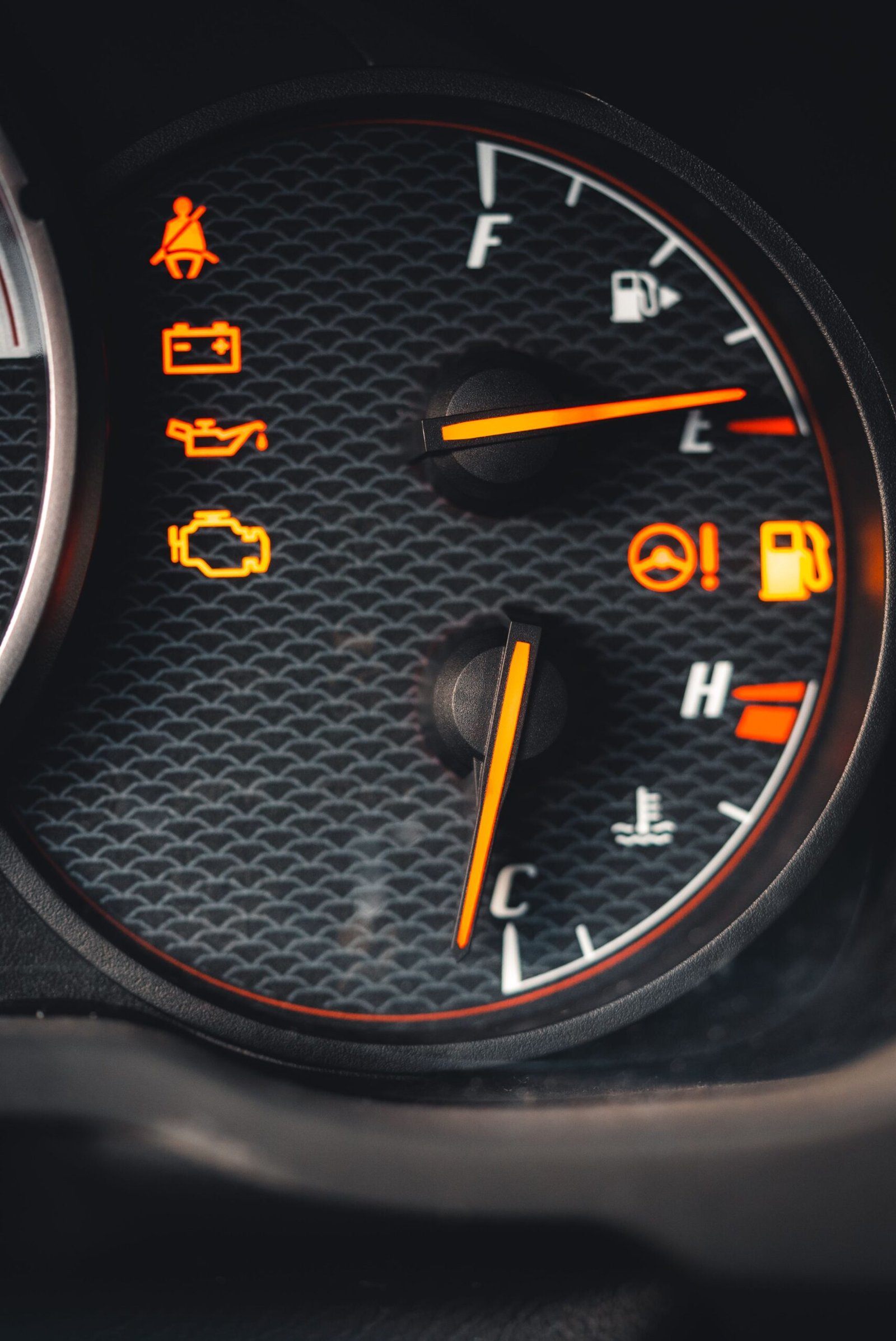
4. Battery Warning Light Appears
The alternator is commonly driven by the serpentine belt.
If the belt slips or breaks, the alternator may stop rotating properly. As a result, the battery may no longer receive sufficient charging current.
This can cause the battery or charging-system warning light to appear on the dashboard.
If the charging warning light comes on while driving, do not assume the battery itself is automatically the problem. The alternator, belt, wiring, and charging system should all be checked.
5. Air Conditioner Stops Working Properly
In many vehicles, the air-conditioning compressor is powered by the serpentine belt.
If the belt slips or breaks, the compressor may stop operating correctly.
You might notice that the AC suddenly becomes warm or the compressor does not engage.
An AC problem can have many other causes, but if it occurs together with belt noise or other symptoms, the serpentine belt system should be inspected.
6. Heavy Steering
Some vehicles use a belt-driven hydraulic power steering pump.
If the serpentine belt becomes damaged or breaks, the steering assistance may be reduced or lost.
The steering wheel can suddenly feel much heavier, especially at low speeds.
This can make the vehicle difficult to control, particularly while parking or making tight turns.
If steering becomes unexpectedly heavy, slow down safely and have the vehicle inspected.
7. Engine Overheating
Depending on the vehicle’s design, the serpentine belt may drive the water pump.
If the belt breaks and the water pump stops operating, coolant circulation can be reduced or stopped.
The engine temperature can then rise rapidly.
If the temperature warning light appears or the gauge moves toward the hot zone, stop driving as soon as it is safe.
Continuing to drive an overheating engine can cause expensive internal engine damage.
8. Frayed Belt Edges
A healthy belt should have relatively clean and consistent edges.
If you see fibers sticking out from the sides, the belt may be deteriorating.
Fraying can occur because of age, misalignment, damaged pulleys, incorrect installation, or tension problems.
A frayed belt should not be ignored because it can eventually fail completely.
9. Missing or Damaged Ribs
Modern serpentine belts contain multiple ribs that fit into the grooves of the pulleys.
If one or more ribs are damaged, separated, or missing, the belt may not operate correctly.
This can cause slipping and uneven accessory operation.
A belt with significant rib damage should generally be replaced after the underlying cause is identified.
10. Belt Looks Glossy or Shiny
A belt that appears unusually smooth or glossy may be suffering from glazing.
Glazing can occur when the belt repeatedly slips against the pulley surface.
A glazed belt may have reduced grip and can produce squealing noises.
However, the cause should be investigated because replacing the belt alone may not fix a tension or pulley problem.
11. Burning Rubber Smell
A strong smell of burning rubber from the engine compartment can indicate excessive belt friction.
A slipping belt may generate heat as it moves against the pulley surface.
A seized accessory pulley can also cause the belt to rub excessively.
If you smell burning rubber and hear belt noise at the same time, switch off the engine when safe and have the system inspected.
12. Belt Vibrates Excessively
A serpentine belt should move smoothly around the pulleys.
If it appears to flutter, jump, or vibrate excessively, there may be a problem with the tensioner, pulley alignment, belt condition, or another accessory.
Do not put your hands near a moving belt to inspect it.
The belt system contains rapidly rotating components that can cause serious injury.
13. Tensioner Problems
The belt tensioner maintains the correct amount of tension on the serpentine belt.
A weak or damaged tensioner can cause belt slipping, vibration, squealing, and premature belt wear.
Sometimes the belt itself looks fine but continues to make noise because the tensioner is no longer applying the correct pressure.
For this reason, technicians often inspect the tensioner whenever a serpentine belt is replaced.
14. Pulley Misalignment
The serpentine belt travels across several pulleys.
If one pulley becomes misaligned, the belt can move sideways instead of tracking correctly.
This can produce uneven wear, fraying, noise, or premature failure.
Misalignment may result from a damaged pulley, worn bearing, incorrect installation, or problems with an accessory component.
Finding the underlying cause is important before installing a new belt.
15. The Belt Breaks Completely
The most obvious sign of a serious serpentine belt problem is complete belt failure.
When the belt breaks, several accessories may stop working at the same time.
Depending on the vehicle, you may suddenly lose alternator charging, air conditioning, power steering assistance, or coolant circulation.
A broken belt should be replaced, but the technician should also inspect the tensioner, pulleys, and belt-driven accessories to determine why it failed.
What Causes Serpentine Belts to Fail?
Serpentine belts can fail for several reasons.
Age
Rubber deteriorates over time because of heat and repeated movement.
Excessive Heat
Engine-bay temperatures can become very high, accelerating rubber deterioration.
Oil or Coolant Contamination
Oil and certain fluids can damage belt material and reduce its durability.
Incorrect Tension
Too much or too little tension can accelerate wear.
Damaged Pulleys
A rough or seized pulley can damage the belt rapidly.
Misalignment
If the pulleys are not aligned correctly, the belt can wear unevenly.
Poor Installation
A belt that is routed incorrectly can fail quickly.
How Long Does a Serpentine Belt Last?
There is no universal replacement interval that applies to every vehicle.
Belt life depends on the vehicle, engine design, climate, driving conditions, belt quality, and maintenance history.
Some belts can last for many years, while others may require replacement sooner.
Instead of relying only on a specific mileage number, follow the vehicle manufacturer’s maintenance schedule and inspect the belt periodically.
Should You Replace the Tensioner With the Belt?
Not always.
If the tensioner is operating correctly, it may not need replacement.
However, if it is noisy, weak, damaged, or causing improper belt tension, replacing it may be necessary.
Replacing a new belt while leaving a failing tensioner can result in premature belt wear.
Can You Drive With a Bad Serpentine Belt?
Driving with a visibly damaged or severely worn belt is risky.
A belt can fail without much warning once it reaches an advanced stage of deterioration.
The consequences of failure depend on the vehicle. Some cars may simply lose the alternator and AC, while others may experience loss of power steering or engine overheating.
If you notice serious belt symptoms, have the vehicle inspected rather than continuing to drive it unnecessarily.
How to Inspect a Serpentine Belt
You can perform a basic visual inspection when the engine is switched off and completely safe to access.
Look for:
- Cracks
- Frayed edges
- Missing ribs
- Cuts
- Excessive glazing
- Oil contamination
- Coolant contamination
- Uneven wear
- Loose or unusual belt positioning
Never touch or inspect the belt while the engine is running.
If you are unsure about what you are seeing, ask a qualified mechanic to inspect the system.
How to Protect Your Serpentine Belt
Regular inspection is one of the best ways to prevent unexpected belt failure.
Keep the engine compartment free from fluid leaks.
Repair oil or coolant leaks promptly.
Follow the manufacturer’s maintenance recommendations.
Use the correct replacement belt for your vehicle.
Make sure the belt is routed correctly after installation.
Have unusual squealing or belt noises checked early.
Also inspect the tensioner and pulleys rather than assuming the belt is always the only problem.
Final Thoughts
The serpentine belt may not receive as much attention as the engine oil, tires, or brakes, but it plays an essential role in many vehicles.
Cracks, fraying, squealing, glazing, excessive vibration, burning-rubber smells, and charging problems can all indicate that the belt system needs attention.
A broken serpentine belt can leave you stranded and, depending on the vehicle, may contribute to overheating or loss of important driving assistance.
Regular inspection and timely replacement can help prevent unexpected breakdowns and protect other components driven by the belt.
If your car develops unusual belt noise or you notice visible damage, don’t wait for the belt to fail completely. Have the belt, tensioner, pulleys, and related accessories inspected so the actual cause can be identified and repaired properly.